

Part 2
What is your sense of ownership like as part of the collective songwriting process? What is the balance between the lyrics, melodies and harmonies, and the groove in terms of your sound?
NB: There is no collective song writing process.
First of all a MODUL is not a song but a pattern architecture and dramaturgy. This is not easy to create in terms of stability, potential and statics. I have the ambition also to write intelligent and coherent drum beats and often the bass line has the function of the melody and the pattern architecture defines the counterpoint and harmonic development.
When we then start to shape the piece in the rehearsals, this refined raw material starts to live and can develop and own band will. It’s a paradox process and I believe this is a strength of RONIN’s aesthetics.
We also have for example a very popular piece by Sha, called “A”, which fits perfectly into our context and has a very clear and obvious structure.
You can hear it also on a recording by Sha’s own band “Feckel” where even Kaspar plays drums too.
This is also a precise example for a clearly composed piece which can sound differently in different band contexts.
Sometimes a MODUL sounds even different then it was meant from me as a composer. It is the right and joy of the band to shape it. I even think like this in my role as a band member against myself in my role as a composer.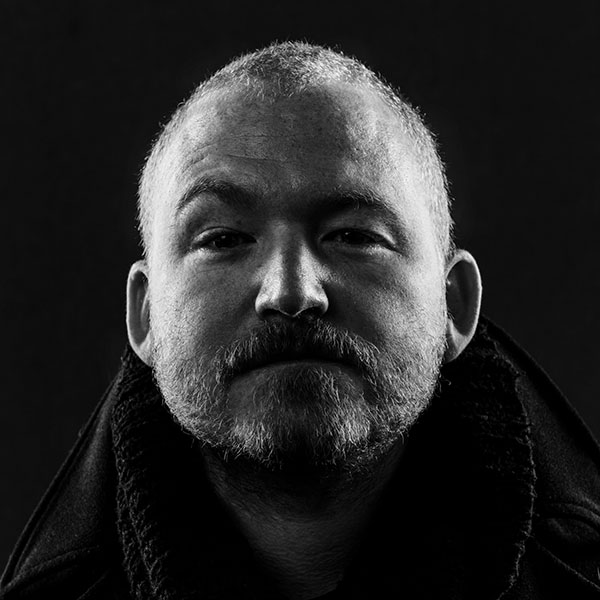
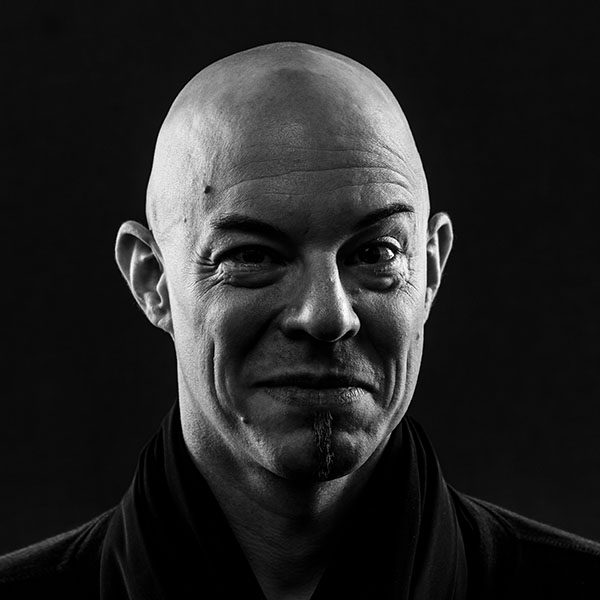
Sha Interview Image (c) the artist
What tend to be the best songs in your opinion – those where you had a lot in common as a band or those where you had more differences? What happens when another musician take you outside of your comfort zone?
SH: Differences or conflicts with other musicians never helped me to play better.
Trust and respect are fundamental basics to help that group consciousness flourish.
KR: Sometimes we have a musical disagreement. Then someone has to do a compromise, that’s a rule of life.
What are your thoughts on the need for compromise vs standing by one's convictions? How did you resolve potential disagreements?
KR: Some people have to stand by their convictions. I personally don’t see a big help for the group in general, personally maybe sometimes.
SH: We are a democratic band when it comes to the music and every idea will get heard and, even more importantly, played.
NB: We formulated a rule once, which allows us to focus on keeping the work very practical and avoid “couch discussions” as Kaspar calls it. We first play the composition as it might be meant before someone has a comment, addition or change suggestion.
So we try to understand the material and composition firstly before we change it. I need this process even myself although I am the composer. I need to understand the music as an interpreter. This process needs time. If you are not able to play something, you can not judge it.
I think we agree on this process in a democratic and respectful sense as Sha said. It’s meant in a very practical sense. Try things to listen and learn from the composition and from each other.
Do any of the band's members also have solo projects? If so, how do these feeds into the band's creative process?
SH: My solo doesn’t feed that much into the creative process of the band. But it impacts my awareness on stage.
Playing solo feels lonely; you need to be confident and strong, or the show will be your worst nightmare. If you approach a band show with that solo mindset, it’s a whole different experience.
JK: During the pandemic I installed a home studio and recorded many different things.
At one point I started fooling around with NIck's Modules, also to get to know the music better. It developed into a solo album that contains 5 pieces which are based on Modules from Nick. I played all Instruments on the record and produced it myself.
I don't think this fed back into the band's creative process, but for sure to my understanding of the music.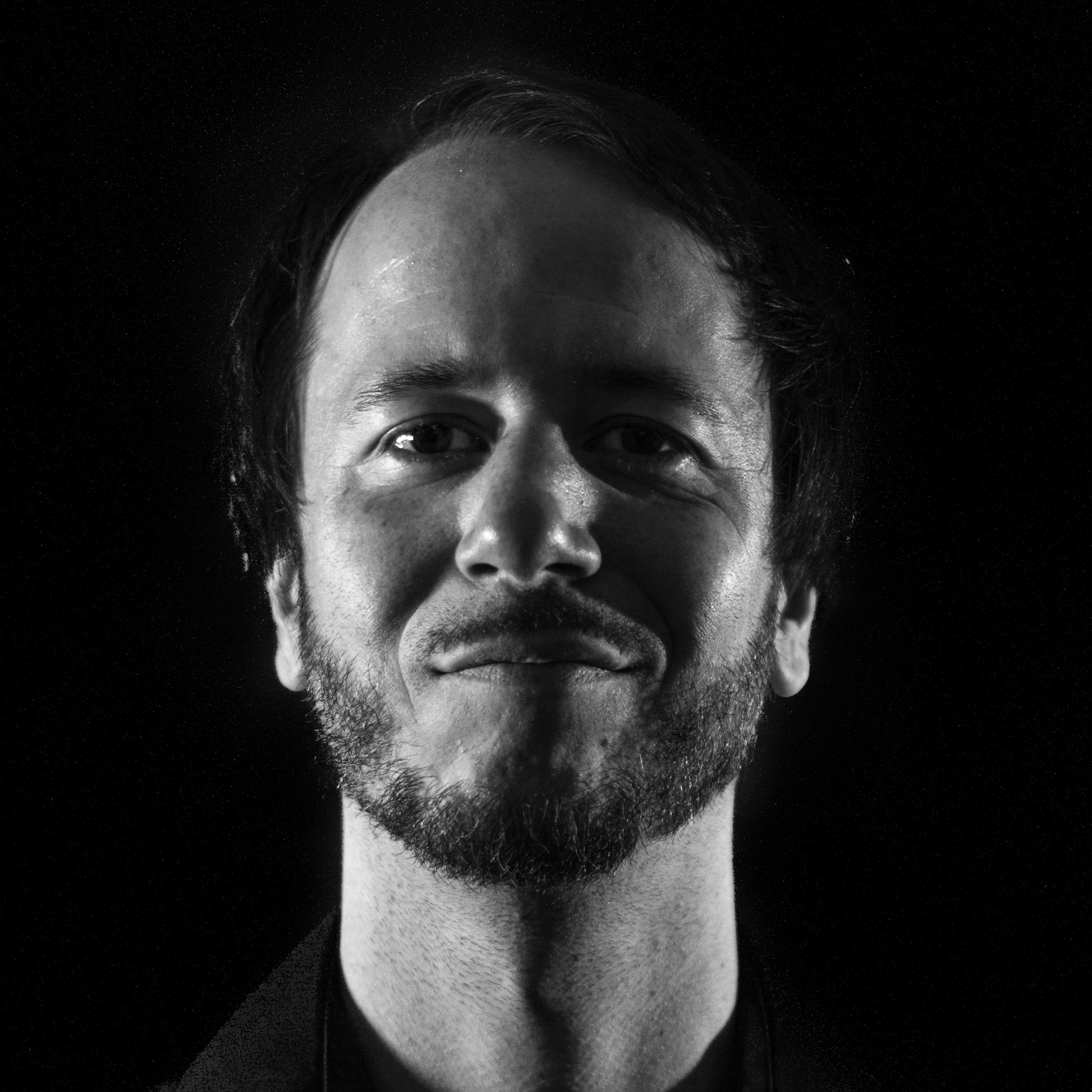
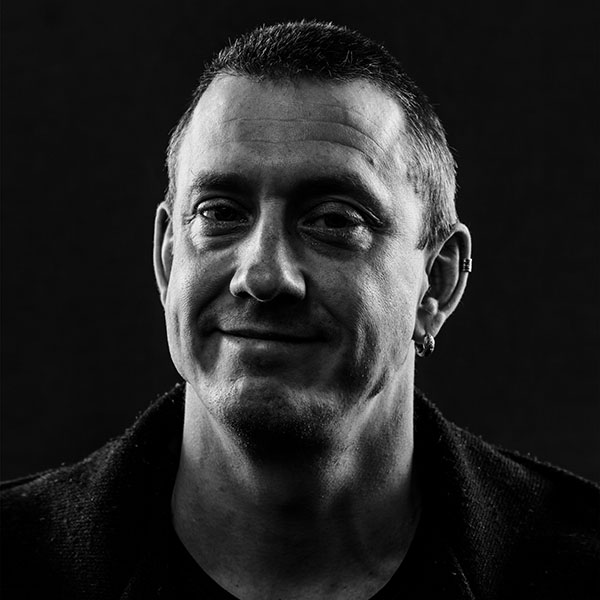
Jeremias Keller Interview Image (c) the artist
In a live situation, decisions between band members often work without words. From your experience and the performances of your current tour, what does this process feel like and how does it work?
KR: We always had a good connection without words, actually better then with words.
NB: Performance circumstances need other communication forms then rational thinking and verbal dialogue. Processes are happening too fast. Therefore a real team spirit is so important. This is the true band moment.
Tightness, flow, creative surprise, and presence expand the “now”. We can feel in that situation the serious spirit and potential of cooperation, which was and still is an essential force of the evolution of life.
JK: It feels like complete trust.
How has the interaction within the group changed over the years? How do you keep things surprising, playful and inspiring?
SH: The interaction changed of course with the different members in the group and with the music. And even with the set-up. Since a month I’m only using pick-up and clip mics and suddenly I feel way freer to interact within the group as well as the audience.
On stage, we have no problem keeping things interesting. But it’s tough to consistently find inspiring ways to work together.
KR: We are lucky, because the interaction is still growing over the years. That is something you cannot push!
NB: I agree with Kaspar. To create and play music is so challenging and fragile that I have no problems with keeping it surprising, playful and inspiring.
It always starts from zero and there are so many things to improve and learn.
Have you worked with outside contributors - from sessions musicians via producers to other songwriters? How did this change, improve or challenge the established dynamic and how do you look back on that?
NB. We all work in different circumstances, too. I find it interesting to hear and learn from the different people an scenes in the music scene.
I personally need to focus mostly on our output and my aesthetics to not loose to much energy for too many things. Time is limited and being aware of that creates a certain humbleness.
Most bands eventually break up. What makes you stay together? What are essentials for a successful band?
SH: I think it’s the pure love for the music we are creating together that drives us.
We know that this is something rare and will not just wait around the next corner. It takes hard work, thousands of hours of dedication, you don’t just give that up at the first sign of a conflict.
KR: I think we have a gift for compromises! And we are lucky, that we are so different! That’s what keeps us alive.
NB: I agree. Somehow this constellation is a gift. I find it very encouraging that our music and business discussions are never about the truth of something - more about the view of something and how we can shape that into a common view.
In conflicts I experience everybody interested in solutions. This sounds banal but it isn’t at all.