Name: Zé Nigro
Nationality: Brazilian
Occupation: Composer, producer, vocalist, songwriter
Recent release: Zé Nigro's new album, Silêncio, is out via Nublu.
Recommendations: Shambhala: The Sacred Path of the Warrior is a book concerning the Shambhala Buddhist vision of Chögyam Trungpa.
If you enjoyed this Zé Nigro interview and would like to stay up to date with his music, visit him on Instagram.
When I listen to music, I see shapes, objects and colours. What happens in your body when you're listening? Do you listen with your eyes open or closed?
To enter the music, I close my eyes and feel the sensation of each sound, which reflects in every part of my body, often turning into tears.
In the song 'Nem um Pio' from my album, the saxophone transports me to places I've never been. There are times when I can feel as if I were someone else, as if I were in another body.
How do listening with headphones and listening through a stereo system change your experience of sound and music?
I love listening with headphones. The mixing techniques allow us to enter the sound, in a 3D planet of music.
I like to work on the mixes of my songs with stereo movements, delays, and reverbs, creating unique atmospheres and panning movements that shift from one side to the other.
You can feel this in all the songs of the album, like in 'Gorjeios,' where the synthesizers converse with the strings of the orchestra.
Tell me about some of the albums or artists that you love specifically for their sound, please.
I really like the English band Sault; their arrangements are built with few elements, but very well placed, bringing a sophisticated and precise sound.
I also love Connan Mockasin, especially the album Caramel. The sounds of the drums, guitar, and vocals are unusual, giving the album a unique personality.
From Brazil, Antônio Carlos and Jocafi are a duo with great songs and original arrangements, especially their albums from the 1970s.
Do you experience strong emotional responses towards certain sounds? If so, what kind of sounds are these and do you have an explanation about the reasons for these responses?
When music reaches our ears, it goes straight to the soul, bypassing reasoning and moving us emotionally.
I feel this with various instruments, especially synthesizers that help me transcend. I believe each sound has an effect on the body. The bass hits me in the belly and spreads throughout my body. The filters and resonance also provoke chills; these are sounds that transcend normal perception of life.
The drums and bass are more direct, as the pulse makes the body react and urges us to respond through dance. I feel this very strongly in the track 'Trincheira' from the album.
There can be sounds which feel highly irritating to us and then there are others we could gladly listen to for hours. Do you have examples for either one or both of these?
I think a good example of these feelings is the song 'Caossonância' (the sixth track of the album), where the orchestra has a beauty that comforts us and takes us to great heights, while the synthesizers begin to grow and dominate the orchestra with an uncomfortable glissando that brings the 'suffocation' of that beauty.
I created this arrangement to reflect what is happening to the forests in Brazil, representing nature in its perfection through the orchestra, while the synthesizers signal the arrival of human destruction through chaos.
Are there everyday places, spaces, or devices which intrigue you by the way they sound? Which are these?
What intrigues me the most are the sounds of nature; I often try to reproduce the sensations I feel through ambiances or the sounds of animals.
In the song 'Silêncio,' there is this quest to listen to the sounds of nature and their meanings. In 'Caossonância,' I used bird samples to create an ambiance over the orchestra.
Have you ever been in spaces with extreme sonic characteristics, such as anechoic chambers or caves? What was the experience like?
I love playing with spaces that create reverbs or delays. Finding the timing of a sound reflection and building a beat with the natural delay time. Singing in caves where the notes linger and constructing chords with the prolongation of the notes ... The sounds of thunder also give me chills as they move from far away to closer.
This is extremely powerful; the different timbres that nature produces, beyond human possibilities, are fascinating.
What are among your favourite spaces to record and play your music?
I may be biased, but without a doubt, the best place to record is my studio in São Paulo, Estúdio Navegantes.
Most of the equipment is vintage—consoles, microphones, instruments, and effects—which give personality to my productions. It has taken years of research to gather and understand how to get the best sound from each piece of equipment.
As for performing, I don’t have preferences; as long as there’s quality equipment, I’m good to go!
Do music and sound feel “material” to you? Does working with sound feel like you're sculpting or shaping something?
Producing a song is like playing with layers and sensations. I feel as if it's a blank canvas that begins to be painted with shapes and colors. This synaesthetic approach to feeling has always helped me a lot in the construction of my music.
For example, the track 'Gorjeios' gives me an orange sensation with yellow and red tones. In 'Calor,' I feel a strong presence of purple, ... while 'Andarilha das Galáxias' has a silver color.
How important is sound for our overall well-being and in how far do you feel the "acoustic health" of a society or environment is reflective of its overall health?
Music has the power to comfort us, to nourish the soul at all moments, not just in times of joy and sadness. We can use it to try to find balance, drawing strength from more rhythmic sounds and lighter sounds for moments when we seek solace.
The power of the song, the lyrics, and the arrangements is transformative because they impact our thinking and help us access different perspectives.
For me, music can be considered the soul of the planet.
Sound, song, and rhythm are all around us, from animal noises to the waves of the ocean. What, if any, are some of the most moving experiences you've had with these non-human-made sounds?
I am crazy about the song of birds, and that’s what inspired me to compose the song 'Gorjeios,' the first track of the album.
I lived in the forest for a while, and every day at 4 AM, I would wake up to an orchestra formed by the birds’ singing. After some time, I started to wonder what they were talking about ... Do they speak of us? Of God?
From this reflection, my daily life in the forest gave birth to this song, which is so special to me.
Many animals communicate through sound. Based either on experience or intuition, do you feel as though interspecies communication is possible and important? Is there a creative element to it, would you say?
I think that more than wanting to communicate, it’s important to respect them. Understanding this is the most respectful way we can relate to nature.
In my song "Caossonância," I included sounds of birds sampled from vinyl, as if they were communicating with us, like a warning to stop destroying their home and, therefore, our own, since we live together on this planet.
We are not the ones in charge here; we are all living together.
We can surround us with sound every second of the day. The great pianist Glenn Gould even considered this the ultimate delight. How do you see that yourself and what importance does silence hold?
For me, it’s difficult to have sounds all the time, as I like to pay close attention; each note, duration, and timbre are important to be appreciated carefully. I live on a quiet street—where my studio is also located, which is essential for this process.
"Silêncio" is the title of my album, and it appears in various contexts, including the one I mentioned. The amount of information that impacts us every day can harm our relationship with the world, with work, and with others. We need to listen more carefully and connect with the whole from a place of silence.
Seth S. Horowitz called hearing the “universal sense” and emphasised that it was more precise and faster than any of our other senses, including vision. How would our world be different if we paid less attention to looks and listened more instead?
Listening is an act of love, as it allows us to learn through exchange. I feel like it's akin to listening to instrumental music; it transcends reason and goes straight to the soul's feelings.
That’s why we can listen to songs in other languages and still feel the emotion that the singing conveys. It’s magical, spiritual, and mysterious.

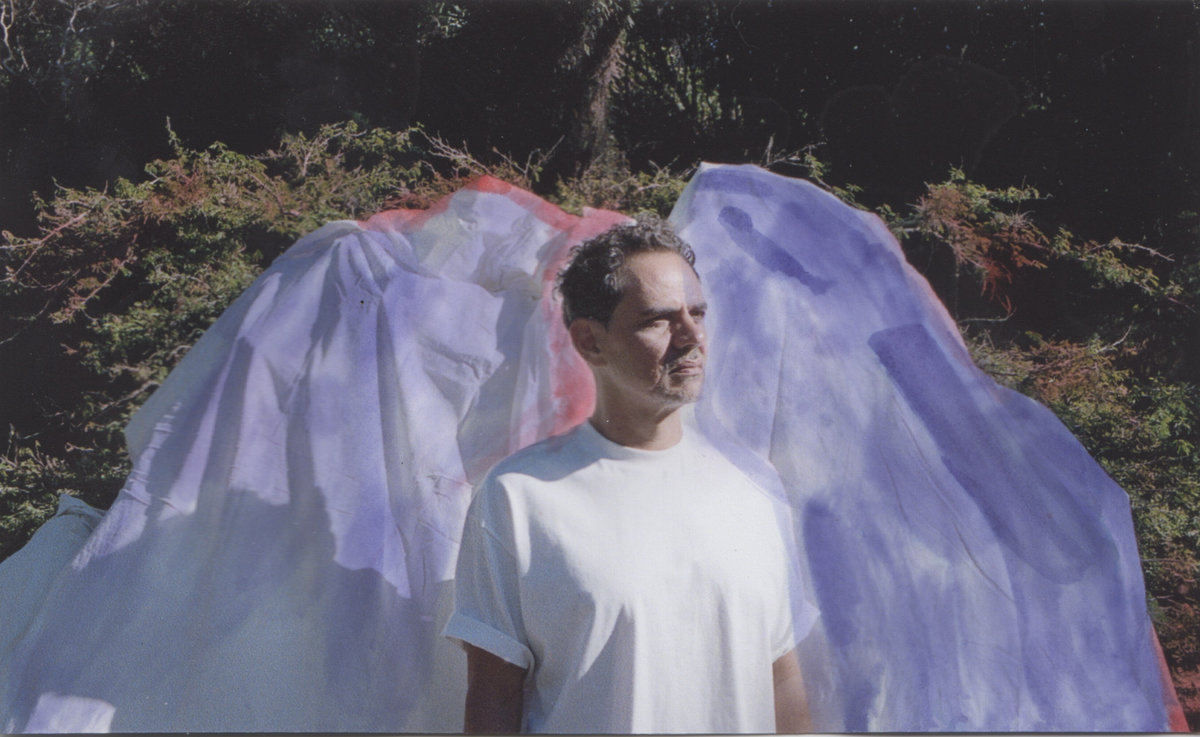 Zé Nigro Interview Image (c) the artist
“There are times when I feel as if I were someone else, as if I were in another body.“
Video