

Published
Name: TIKHET
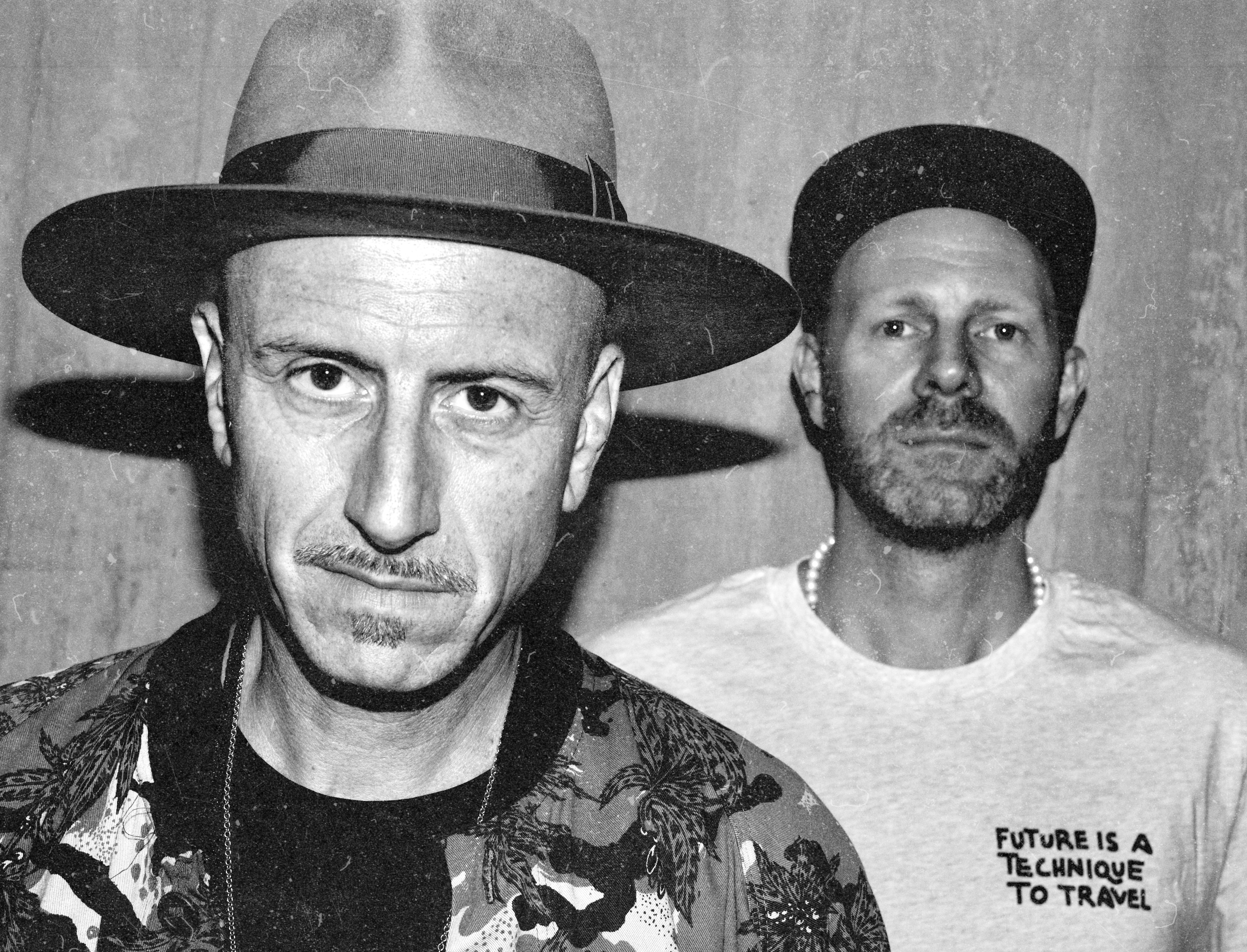
Members: Sebastian Weiss aka Sepalot (producer), Angela Aux (poet, songwriter)
Nationality: German
Current Release: TIKHET's debut album mixtape suite is out via Eskapaden.
If you enjoyed this TIKHET interview and would like to know more about their music, visit the duo on Instagram.
For a deeper dive, read our Sepalot interview.
What were some of the musical experiences which planted a seed for your interest in hip hop?
Angela Aux: I must have been 11 years old and was on the team bus to a football match in the deepest corner of Bavaria. A friend suddenly said: there's a new style of music, I've got a cassette with me.
He put it in and I'll never forget looking out the window at the cow pastures and "Regulate" by Warren G. starting.
What does the term hip hop mean and stand for today, would you say?
Angela Aux: Hard to put into words. It is the largest and most comprehensive subculture that has ever existed.
Hip hop has changed everything, including the business and political world. It stands for so many aspects of self-empowerment, liberalization and global justice, but also includes all the darker sides of humanity such as violence or sexism.
In 100 years it will perhaps be a kind of cultural era.
Hip hop has always been about a lot more than just music. For you personally, is hip hop a way of life – and if so, in which way?
Sepalot: I would say that hip-hop has had a strong influence on my life.
Musically, I was heavily socialised by 90s hip-hop. And I was a DJ and producer in a very successful hip hop crew for many years.
Hip-hop is not my house, but I'm very happy to drop by for a visit.
What, would you say, are the key ideas behind your approach to creativity?
Sepalot: Creativity needs freedom, self-confidence and the courage to be embarrassed
Where do most of your inspirations to create come from – rather from internal impulses or external ones? Which current social / political / ecological or other developments make you feel like you need to respond as an artist?
Angela Aux: Working creatively is an everyday occurrence for us, so inspiration comes from everywhere.
When you write alone, there is something meditative about it, because you sink into yourself and themes and moods emerge that can emerge from your consciousness in this calm. Being creative together is more like a very good game: you reflect yourself, expand and edit yourself in an aesthetic corridor.
There are an incredible number of topics at the moment (or always?). We are just before the elections in Germany and we want a respectful, open and positive social coexistence. In music, this is a theme, but lyrically it is taken a few turns further.
We think a lot about the opportunities and risks of new technologies such as AI and bio-tech, and we also talk a lot about them.
Hip hop has always had an interesting relationship between honouring its roots and pushing the music forward. What does the balance between these two poles look like in your music?
Sepalot: Art is always a part of this cycle. What was already there influences creative work in the present. It doesn't matter whether it is positive or negative.
Homage and demarcation, both are elementary for music. Hip hop is the genre that best and most clearly demonstrates this interplay.
What role do electronic tools and instruments, including AI, play for your creative process?
Sepalot: We love playing around with all the tools available in the studio. Without filters.
Whether it's an old and broken guitar amp or the latest AI tool. It's what you do with it that counts.
How do you see the role of sampling in hip hop today?
Angela Aux: I can't speak for hip hop in general, but I think what sampling was in the 90s - in terms of its importance for emerging music genres, aesthetics and, to a certain extent, more open access to extremely high-quality recordings as a basis for one's own compositions - is now generative AI.
The debate about copyright (samples back then, training data today), aesthetics and the fear of the general decline of "music" is quite similar. While sampling is now seen as normal in all music genres, the massive influence of generative tools is beginning in hip hop and other genres. It will be similarly groundbreaking or even more disruptive.
There has always been a close connection between hip hop and jazz. What role does improvisation play in your current creative process?
Angela Aux: Freestyles are perhaps the jazziest element of hip hop, but otherwise I find the two genres very different.
In most cases, jazz musicians are extremely accomplished and versatile instrumentalists, something I rarely see in German hip hop, for example. Historically, it is fascinating how jazz recordings became compositional material for later generations.
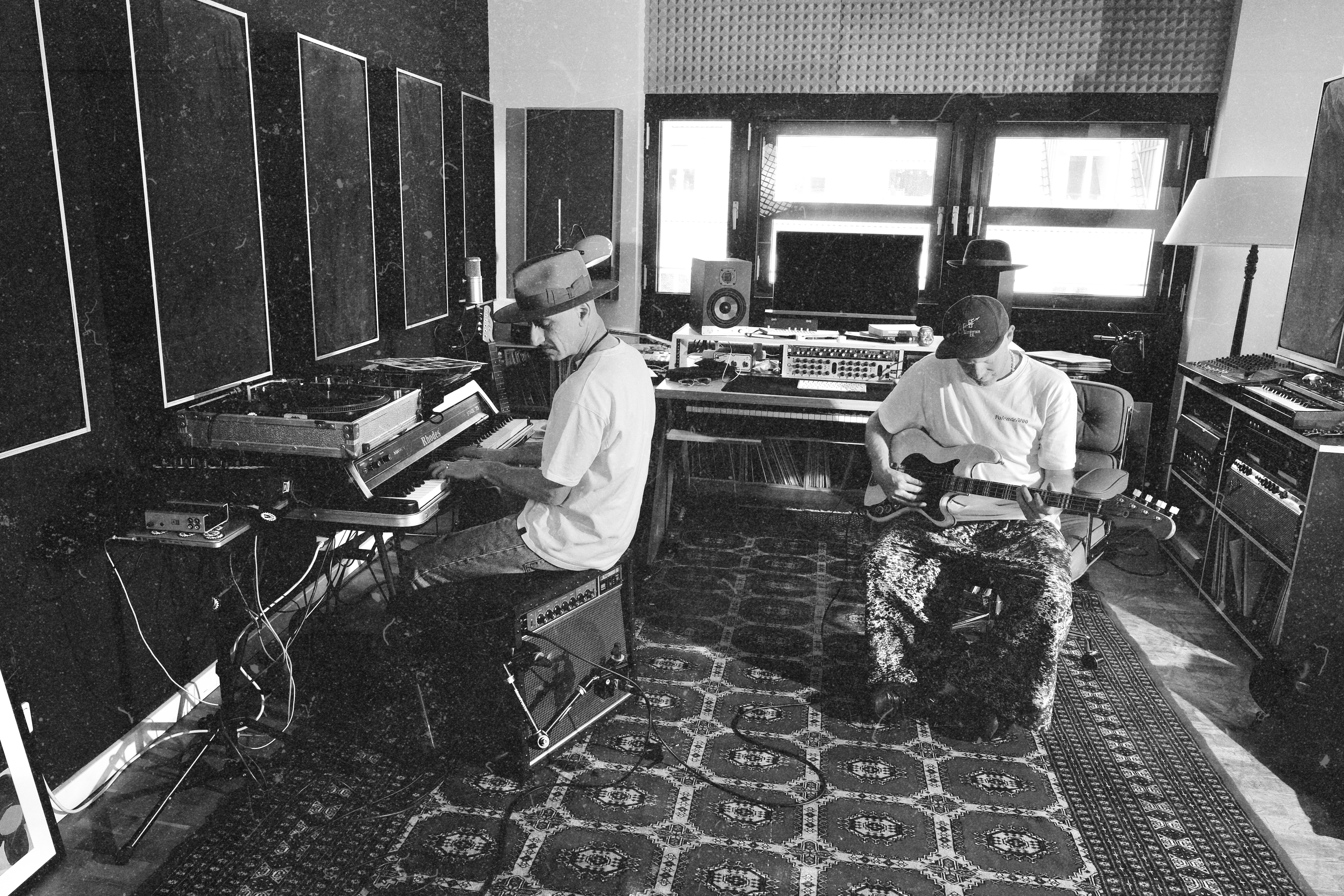
Since we mainly work in the studio, improvisation is the most important part of the interaction, but that is probably a universal matter. Composition is always based on improvisation in one way or another.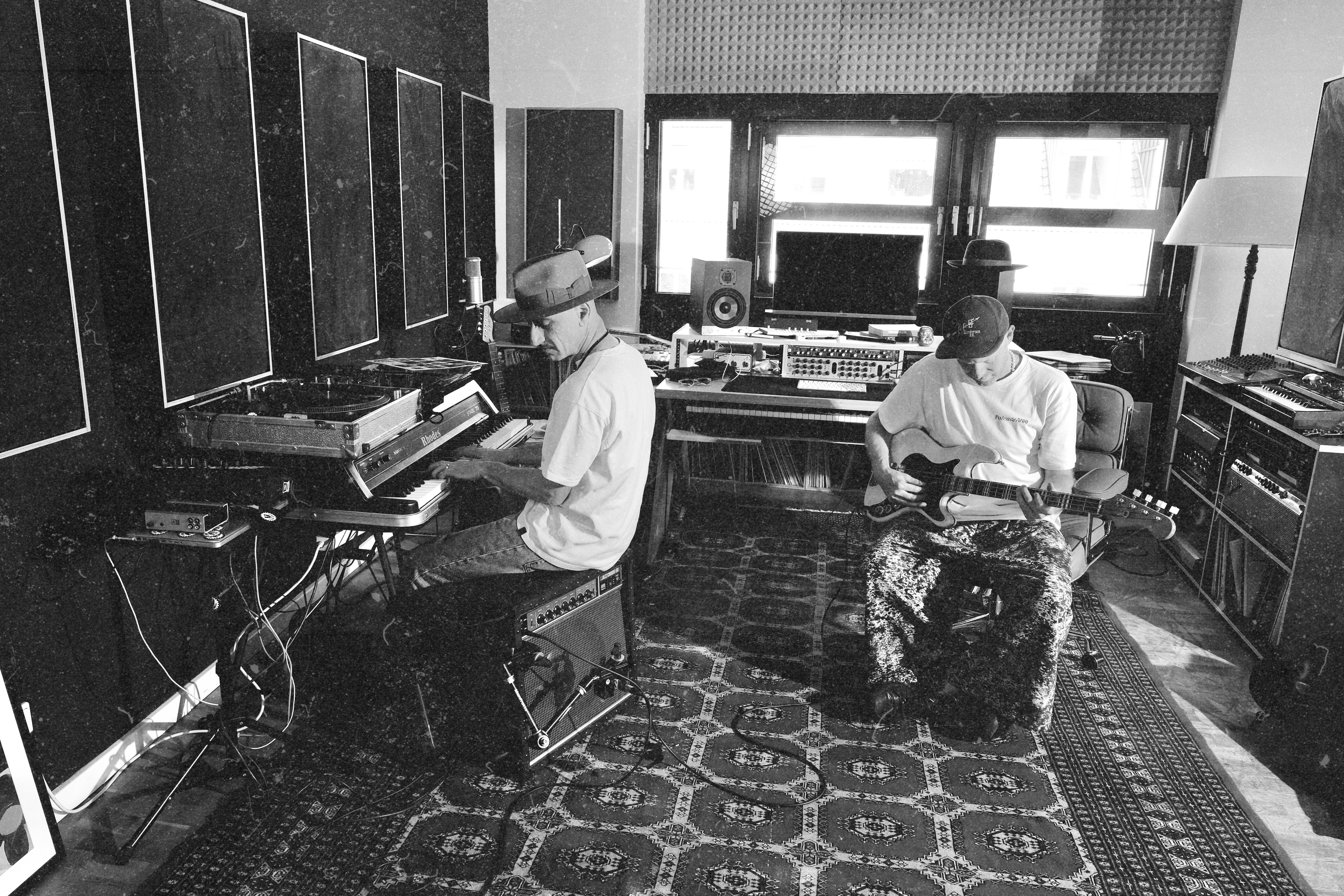
Tikhet Interview Image by A van Zanten & Otto Chr
It can sometimes seem as though, in hip hop, production is the main force of progress. Do you feel like there is still space for genuinely new ideas for lyrics and vocals as well? If so, what could these look like?
Sepalot: I think the question of how an MC can age lyrically with dignity has not yet been answered conclusively.
For many artists, life-changing musical experiences take place live. How do you see that yourself?
Sepalot: A live experience is unbeatable in its directness and emotional depth.
We have played many concerts but none with ‘Tikhet’ so far. It will come soon. We are excited
Are there approaches, artists, festivals, labels, spaces or anyone/-thing else out there who you feel deserve a shout out for taking hip hop into the future?
Angela Aux: Since hip hop is perhaps the biggest musical subculture ever, I find it particularly exciting that you can hear the strong influence of hip hop in all other genres. Hip hop can also be heard everywhere in folk, classical and, of course, pop music in general, especially in the way the rhymes and the rhythm of the vocal parts are set up.
You can hear that, for example, in Vandalisbin, a really exciting young band in Germany.
From Star Wars via The Hitchhiker's Guide to the Galaxy to the Fifth Element, there have always been amusing sci fi ideas about how music could look like at some point. For a not too distant future, where do you personally see it going?
Sepalot: I think there will be an even greater division between active music listeners (a smaller group of nerds and ‘first mover’) and a large majority of passive music listeners (I listen to what comes on the radio or what a streaming portal suggests to me).
Music will also divide even more into these two groups. The group of active music listeners will receive music that the artist has made for themself and the other group will receive music that has been made especially for them.
Art and service will become even more separate.