Name: Statik Sound System
Members: Andy Jenks, Giles Butcher, Helen White, I. Bawley, Keith Bailey, Kenny Lee Lewis, Peter Webb, Rob Conn, Roger Mills
Interviewee: Peter Webb
Current release: Statik Sound System's IN DUB VOL.1 is out via Echo Beach. The collection revisits some of the greatest moments in the oeuvre of a band at the cusp between trip hop, downtempo, nu jazz, and dub.
There is a lot of Bristol mythology when it comes to the 90s. How did you experience the city at the time and in which way did it really shape your sound as a band?
Bristol was a city that had large inter-related music scenes and tribes.
I came through the punk / post punk / goth / industrial route but many around me and the people I interacted with were into reggae and dub, as hip-hop developed and The Wild Bunch were a key sound system. But there were also City Rockers, 2 Bad Crew and many others.
We often went to the same parties, pubs and clubs as those who were into hip-hop, dub, jazz, indie music and it is no coincidence that Bristol produced Mark Stewart, The Pop Group, Mark formed the Maffia with Adrian Sherwood and the Sugar Hill gang band.
[Read our Gareth Sager of The Pop Group interview]
We, as a band, initially called Statik (1988 – 1993) – playing with tape loops, found sound, bass etc then became Statik Sound System 1994 onwards and built our sound repertoire and soundscapes from the experience of all we had in the City and our trips to London and around the UK.
But the key thing was always to be open to mixing new sounds and genres together.
Around the time you started making music yourself, what were your musical interests? What were some of the artists, albums, and events that raised your interest?
I would say Joy Division, Killing Joke, Jah Shaka, Public Image Ltd, Crass, Test Dept, Laibach, King Tubby, Mickey Dread, Einstürzende Neubauten, The Clash, Grandmaster Flash, Miles Davis, Funkadelic, Junior Delgado, Augustus Pablo, Sex Pistols, Theatre of Hate, Public Enemy.
[Read our The Routes interview about Joy Division]
[Read our Alexander Hacke of Einstürzende Neubauten interview]
Dub culture seems to have glued together many strands of music at the time. What interested you about, specifically?
Going to my first sound system and seeing Shaka in Bristol, then seeing some of the other systems at St Pauls Carnival, at Trinity Hall and at some of the blues clubs in St Pauls in Bristol really blew my mind.
I loved the feel of the bass and beats, the dub effects, the body function of the music. That has always been a powerful force in my music and I was a bass player so that fed into my playing, too.
When I spoke to Kruder & Dorfmeister recently, they said that part of their goal was to slow things down and create, a counterpoint to techno culture. Is that something you can relate to?
Yes. At the time late 1980s and early 1990s, we were into slow dub infused soundscapes that got people moving and nodding their heads but becoming enveloped by the sound.
Later we returned to faster, angrier and more up-tempo areas but early on we wanted to get people to move but be affected by the sound, to think and feel it.
How did Statik Sound System get formed?
I had been in an industrial / goth / noise band called Idiot Sideshow and previous to that a band called Necromancy. So I had come from a punk background but I met Andy Jenks late 1980s and we started to collaborate on a project that I had called Statik.
It was still guitar based but we had backing tracks, keyboards, super 8 film loops that Andy put together and we did shows that made an impact. After doing some work with a theatre company called Blast Theory and showing work at the London film makers co-op we went back to our other musical love which was dub, reggae, break beat culture, electronica, 4AD bands, Scott Walker, Film Soundtracks and turned Statik into Statik Sound System.
Andy and I wrote music on an Atari with some gear midi linked and then we would play live over it. We enlisted Helen White on vocals and Roger Mills a trumpet player, Keith Bailey who had been in Statik on drums and Rob Conn on flute and then Giles Butcher, a mate of Andy’s, who had been in the Bow Gamelan Ensemble with Paull Burwell and turned everything more towards a bass heavy breaks approach.
It worked and we got signed to Cup of Tea Records.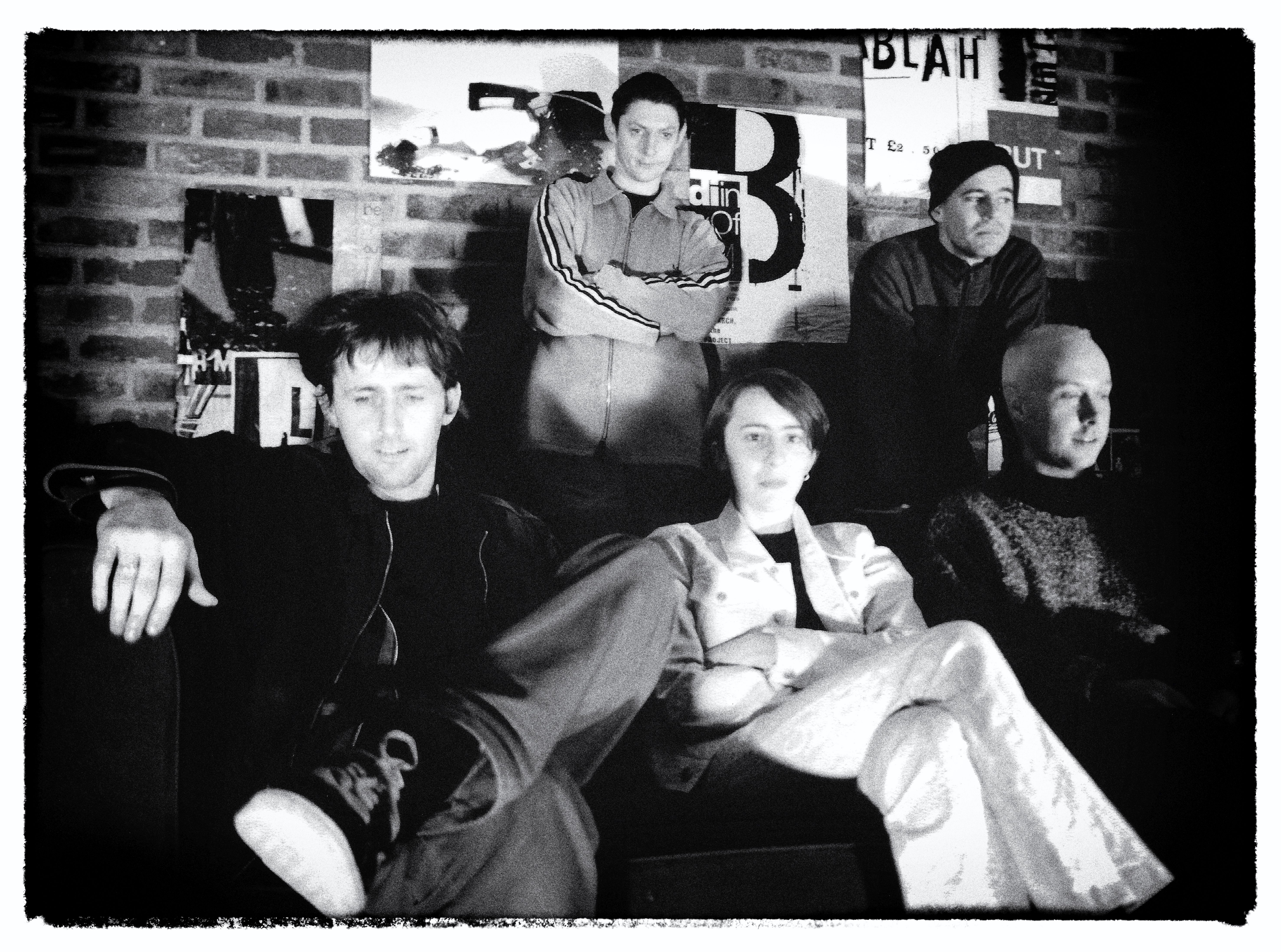
Statik Sound System Interview Image (c) the artists
Cup of Tea Club were associated with the club by the same name. Did you go there yourself?
Yes, Cup Of Tea were great for us. They gave us our first Statik release. Although we had been already signed by Peter Kent of 4AD who had set up a new label called Frantic, we released a single called ‘Positive’ mixed by Rob Smith (Smith and Mighty). Which did ok but the label didn’t develop so Cup of Tea became our home.
The label let us do what we wanted and we had some amazing tours, reviews, events from that period. The club night was great and became a home for us and associated groups like Monk and Canatella, Purple Penguin, Spaceways, the club used to showcase national DJs like Paul Trouble Anderson, Propeller Heads, Beat Nuts, Mr Scruff etc.
The organic inclusion of acoustic instruments really set you apart from so many acts from the 90s. What did your sessions look like?
Andy and I would write stuff on the Atari, put drum loops, write in drum patterns, records bass lines, use samples and keyboards to create an atmosphere and the track would build from that. Helen would add her vocals and Roger trumpet parts etc.
We started often from an atmosphere rather than a pure melody or vocal. That made our way of writing a bit different I think.
What's your general take on sampling versus using a more or less unedited performance? Of using external sources (eg from old jazz or soul records) or playing it yourself?
We loved sampling but would never usually directly steal something. I.e. we would always slow something down, speed it up, use a small snippet of it to create our own melody or atmosphere.
We also recreated things but mainly used sampling as a way of writing using the sample as an instrument and playing around with it.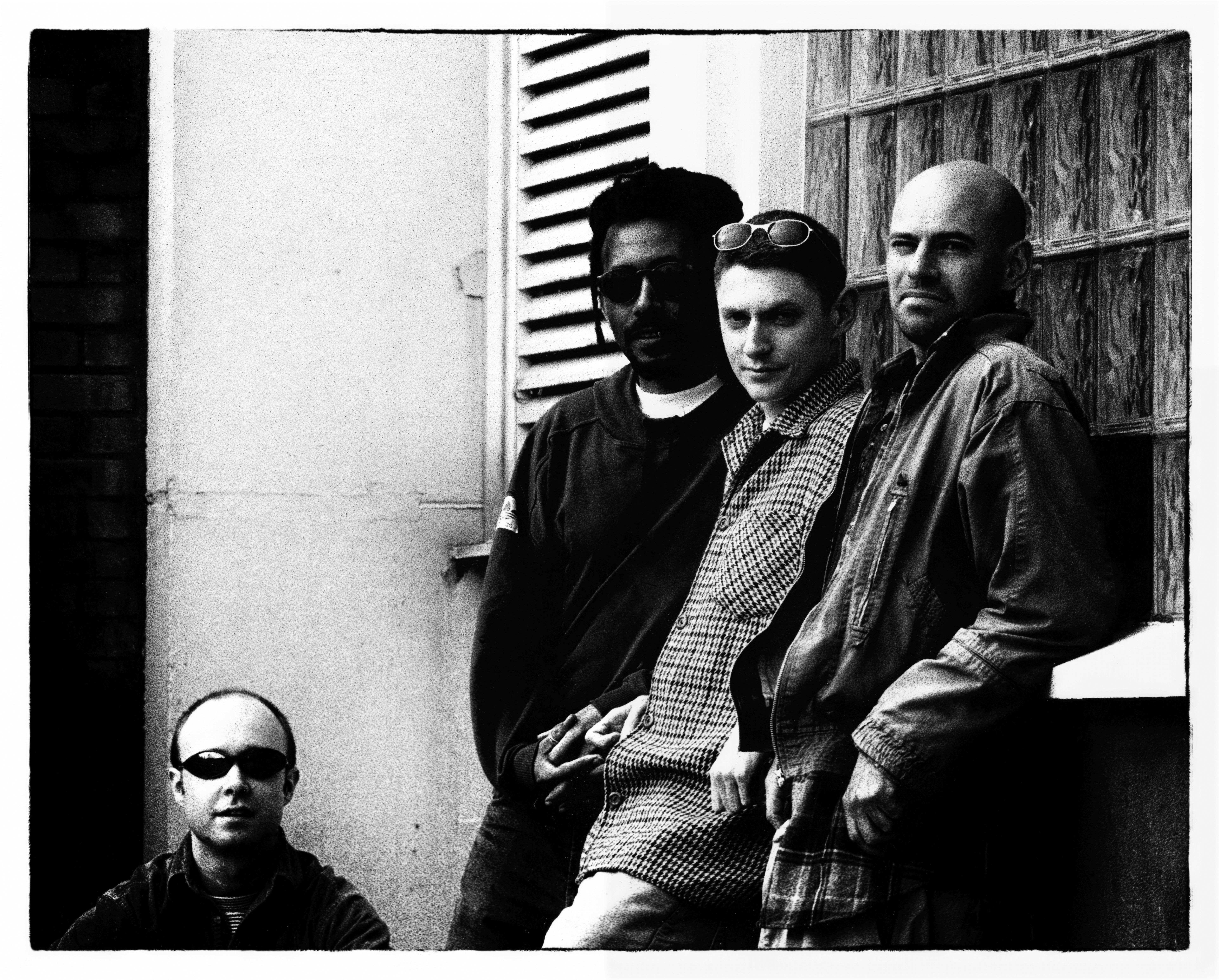
Statik Sound System Interview Image (c) the artists
Looking back, one can see the ascent of electronic music in the 90s as going hand in hand with technology. What were some of the most important aspects of that development from your point of view?
Technology has made the writing and production process more affordable and accessible to many more people. That is why you have a huge number of people doing music these days.
What influence does technology have on your own creativity?
It really helped our development – no expensive studios and sessions musicians.
We did it ourselves, DIY culture is key to us and many other Bristol artists. Technology has enabled the imagination to run riot with ideas.
What did your home studio look like during the years that Statik Sound System was active? What were some of the most important pieces of gear/equipment for you?
Atari 1040, Akai s950 and then s3000 sampler, Roland SH101, Korg MS2000 key board, Juno 8, 808 and 909 drum machines, Alesis drum machines, Korg wave station, but recording found sound and using it as samples too.
I believe you also completely rebuilt the studio at some point …. What were your considerations and in how far was the rebuilding worth the effort?
When the first album was selling, we got enough money to set up our own studio and buy NS10 studio monitors, a sound craft desk, some great valve compressors, limiters, effects units. This all helped make our recording and writing process a lot easier.
We still have the same building that we were working in in the 1990s. I now use it for new projects New Brand and Making Strange.
“Revolutionary Pilot,” which would become one of your singature tunes, was one of your very first productions. How did that track come together?
We had been slowly turning towards more dub and breaks oriented work. We wanted to do something that was slow and heavy.
The evolution of the track came from the beats and bass and then the soundscapes we built up around it. Rob’s melodica line and then trumpet parts really added to that subterranean dub feel.
Then Rob Smith, Peter D Rose and Spring Heel Jack go their hands on it to remix as they loved that track. So it really helped us develop as a group.
What was your perspective on remix culture and what it added to the music?
We were in love with the idea of the remix, we often remixed our own tracks; ‘Secret Love’ later became ‘Hear My Plea’ when Kenny Lee Lewis joined as a rapper and vocalist.
The remixes of “Revolutionary Pilot” and later the Remix Selection album are great examples of our love for this part of the art form.
Most people will know “Revolutionary Pilot” through its inclusion on the K&D DJ-Kicks CD. What was it like at the time to see that album slowly go from an underground thing to something with a far broader appeal? Did you ever get to meet Kruder & Dorfmeister?
We never met them but were very appreciative of them including the track on the DJ Kicks album.
The growth and sales of that album have been incredible and all power to them I still love their work.
The first two SSS albums were recorded at PIJ studios. What do you still remember about that place and the recording process?
PIJ studios was a place where I did a bit of engineering and helping out. We recorded there as Paul Horlick, the Owner was a good friend. The place was underneath a large gears factory and had a bit of damp but was a haven for us. We would spend days there. That’s why we looked so pale.
The recording process was a huge learning curve but as we were quite obsessive we got totally into the process. The album Tempesta was a real success for us and we are very proud of it.
Re-listening to Tempesta and Tempesta II, as well as My Ooh-Zik, I was struck about how timeless the music still sounds today. What gives it that quality would you say?
I am not sure. I think the music we loved was timeless and we had hoped that would come out in our work. Thank-you for saying that.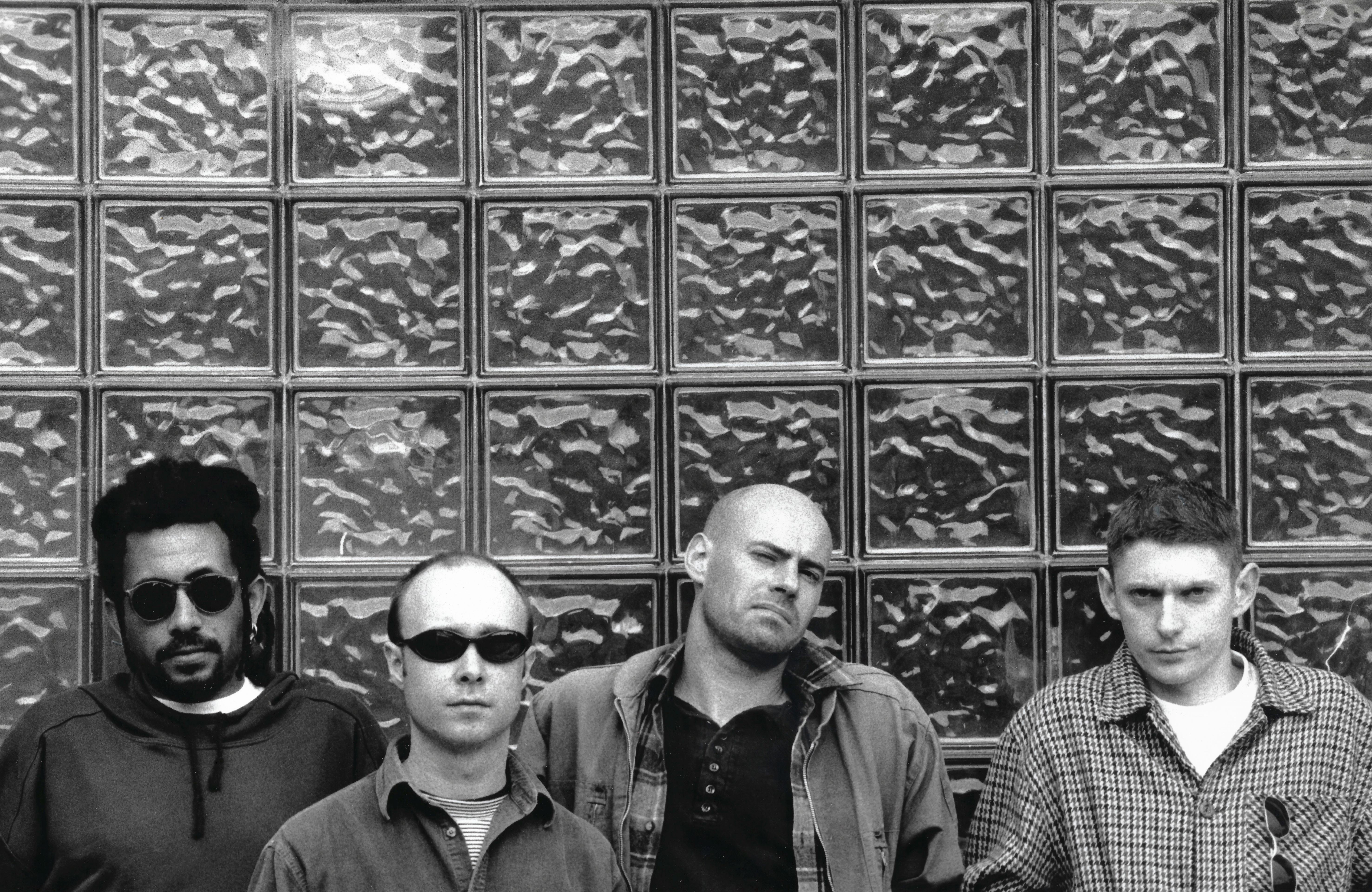
Statik Sound System Interview Image (c) the artists
How many live performances did SSS have during the time you were active as a band? Do you have some memories to share from that time?
We played many gigs in the UK, France, Germany, Spain, Italy, Switzerland, Austria and even a few DJ events in the US.
We did a festival in France called Rock N Solex and had a few thousand people going crazy to our music. I’ll never forget looking out at the crowd and being carried by the emotion of the event.
In April 1995 one of our early gigs was playing after recorded sets by The Chemical Brothers and Prodigy – this was an epic night of huge proportions. We played around midnight after these two amazing sets that were recorded for BBC radio.
Our tours of Italy, Germany and France were always great, and some of our UK gigs with Mr Scruff and other great DJs and labels from the time were epic.
Compiling these tracks for the new “In Dub” release would have allowed you look back and re-evaluate the music. How do you look back on that time and the work you created?
I feel like we produced some great bass heavy and filmic tracks and have loved remastering them with Doc Moody; a great DJ and now mastering guy.
I would do those tracks differently now but that is always the case. Music never stands still and the work I do now would be to rearrange and develop the tracks we did then.
But listening back to it now I think it stands the test of time really well.
Trip-hop would often be included in coffee-house-compilations. Coming from a label actually called “Cup of Tea”, what role do coffee and tea actually play for your creativity – and do you feel as though writing or performing a piece of music is inherently different from something like making a great cup of coffee?
Caffeine often fuels a session, tea whether it is breakfast, assam, early grey or what we in Bristol call ‘builders’ tea is more reflective. Green tea is more cleansing.
All these processes are part of music making, Fuel your creativity, reflect on it, cleanse the palette and start again.

 Statik Sound System Interview Image (c) the artists (Peter Webb, Kenny Lee Lewis, Giles Butcher)
“We would spend days in the studio. That’s why we looked so pale.“
Video