Name: Sara Decker
Occupation: Singer, songwriter
Nationality: German
Current release: Sara Decker's Expand is out via Unit. Oder the CD here. It features Heidi Bayer (trumpet, flugelhorn), Yuhan Su (vibraphone), Kaisa Mäensivu (bass, compostion), Mareike Wiening (drums, compostion).
Pure vocal recordings recommendations: Probably only recommendations you already know: Meridith Monk, Theo Bleckmann, Kings Singers, Queens of cabbages (a super nice A-capella ensemble from Cologne) and many many more.
[Read our Mareike Wiening interview]
[Read our Mareike Wiening interview about Drumming]
If you enjoyed this Sara Decker interview and would like to know more, visit her official homepage. She is also on Instagram, Soundcloud, and Facebook.
Do you think that some of your earliest musical experiences planted a seed for your interest in your voice and singing? How and when did you start singing?
Yes, absolutely. I loved singing from an early age on and remember frantically learning all the Disney songs at the age of 6 as well as some songs from Mozart’s “Zauberflöte“. I grew up in a Christian household and we would sing a lot of church music as well. I my teens I was deeply influenced by powerful female voices I heard growing up, such as those of Joni Mitchell, Ella Fitzgerald and Lauryn Hill.
I began singing at a young age, driven by a natural curiosity and because it just felt so good and was so much fun. I often try to reconnect to this childish pure and first feeling of joy - while I’m singing.
Later my voice developed through formal jazz education as I became more interested in gaining more vocal and musical flexibility and freedom.
If you're also playing other instruments, how does the expressive potential of these compare to your own voice?
While I primarily focus on singing, I’ve explored other instruments (guitar, piano and trumpet), and each offers a different form of expression.
However, I play these instruments on a very basic level and the voice remains the most intimate and direct instrument for me. It’s an instrument that is inherently connected to one’s physical and emotional state, which gives it a unique expressive potential that’s different from any other instrument.
Singing is an integral part of all cultures and traditions. Which of these do you draw from – and why?
My music draws from a variety of cultural traditions, particularly the rich tapestry of jazz and the storytelling nature of pop and folk music. Improvisational freedom combined with lyrical, narrative quality is what resonates in my music.
My music is also very much influenced by the time I spend living and studying in Brazil and New York.
What were some of the main challenges in your development as a singer/vocalist? Which practices, exercises, or experiences were most helpful in reaching your goals – were there also “harmful” ones?
One of the main challenges was developing my “head“ voice and flexibility in my voice.
When I started studying I really worked on the basics. The mentorship I received during my time at Maastricht Conservatory and the Manhattan School of Music, particularly from artists like Gretchen Parlato, Kate McGarry and Theo Bleckmann, was invaluable.
[Read our Theo Bleckmann interview]
Harmful practices, were avoided by ensuring I always listened to my body and voice. Later on I also profited a lot from Lichtenberger technique and Carnatic music and singing exercises.
How do you see the relationship between harmony, rhythm, and melody? Do you feel that honing your sense of rhythm and groove has an effect on your singing skills?
I feel like a good sense of rhythm and groove is crucial for a jazz vocalist, as it adds depth and complexity to the performance.
My work often explores the tension and release between these elements, which I hope creates a dynamic musical experience.
What are the things you hear in a voice when listening to a vocalist? What moves you in the voices of other singers?
I’m always impressed by technicality and high level of musicianship. But what I’m most moved by is authenticity and emotional depth in a voice.
I listen for how a vocalist conveys the story and emotion of a song. This is what I often find most compelling.
How would you describe the physical sensation of singing?
Singing ideally feels like a full-body experience. There’s a physical sensation in the diaphragm and chest, where the breath originates, and a sense of release as the sound flows out.
Singing is both grounding and liberating.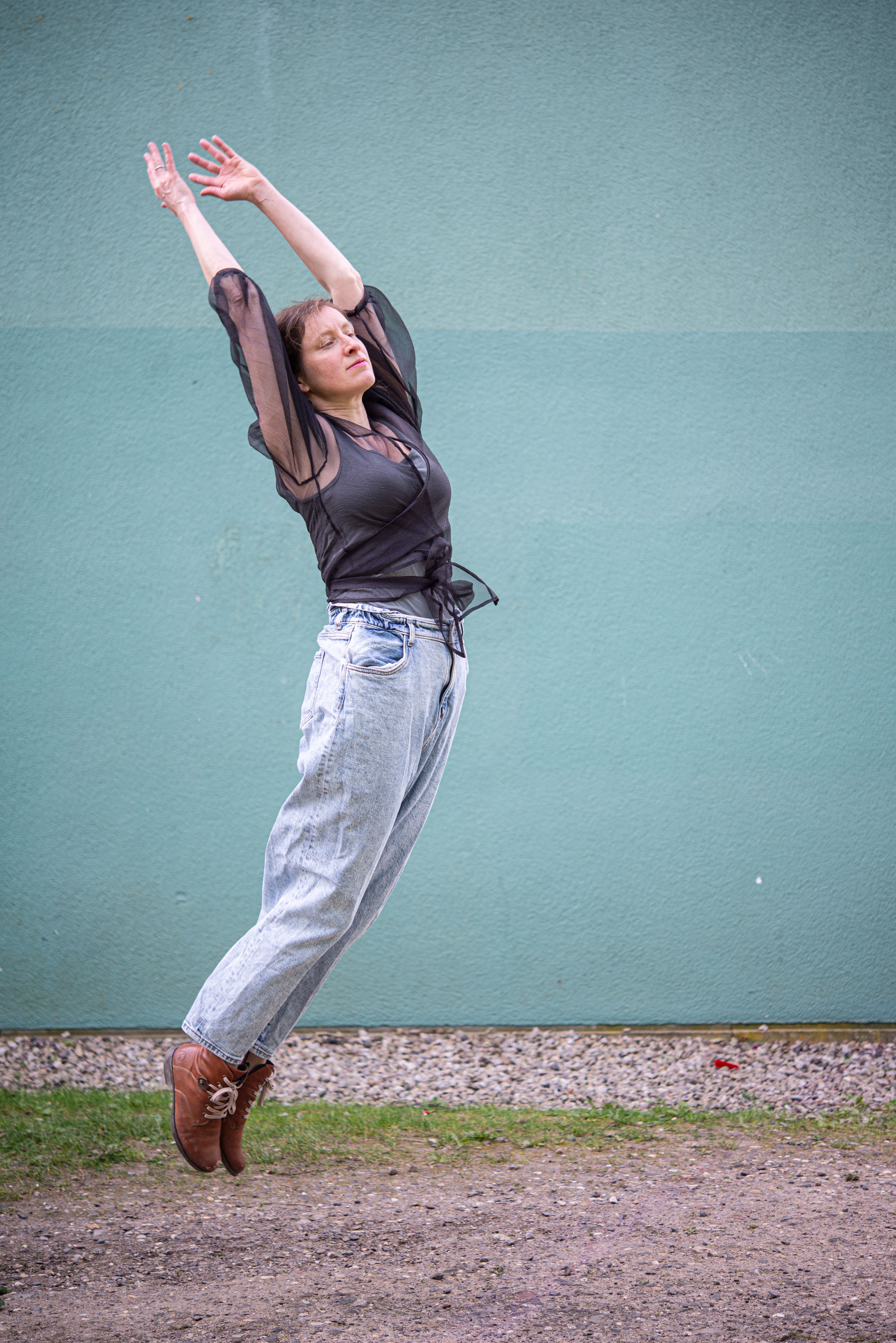
Sara Decker Interview Image by Pierre Hansen
What kind of musical settings and situations do you think are ideal for your own voice?
I enjoy intimate settings most, such as small jazz clubs or acoustic sessions. These environments often allow for a close connection with musicians and the audience.
However, I also enjoy the challenge and energy of larger venues.
We have a speaking voice and a singing voice. Do these feel like they are natural extensions of each other, ends on a spectrum, or different in kind?
For me, the speaking and singing voice are extensions of the same instrument. The singing voice allows for more extended expression. However, both are connected by the breath and the intention behind the words or melody.
And then again: these limiting categories are made up by us humans - listen to Bob Dylan.
From whispers to screams, from different colors to dynamics, what are the potentials and limits of your voice? How much of your vocal performance can and do you want to control?
The voice is incredibly versatile, and I enjoy exploring its full range of possibilities. In my experimental vocal ensemble FRIDA we also work with extended vocal techniques.
In my own music I am more traditionally oriented. Anyhow while I strive for technical control to deliver a precise performance, I really value moments of spontaneity the moment can take the lead.
It’s a balance between control and letting go.
When you're writing song lyrics, do you sense or see a connection between your voice and the text? Does it need to feel and sound “good” or “right” to sing certain words? What's your perspective in this regard of singing someone else's songs versus your own?
When I’m writing lyrics the words need to resonate with me emotionally and feel natural to sing. For my album poetryfied I for example took old German poetry and started speaking and singing them trying to directly connect spontaneous melody with the meaning behind the words.
When I sing instrumental tunes my focus is different - more about shape and technique throughout the piece, as well as dynamics.
But when there are lyrics I feel it’s vital to develop a personal connection - independent of if you are singing somebody else’s music or your own.
Strain is a particularly serious issue for many vocalists. How do you take care of your voice? Are there recipes or techniques to get a damaged voice back in shape?
Vocal health is a top priority for me. Especially after I suffered from a super long laryngitis just a year after returning to Germany from New York. I try to maintain a regular routine of vocal exercises, proper hydration (and rest- if I can get it :) ).
If I experience strain, I avoid overexertion. Worst case, I cancel gigs. It is so important to listen to your body and put health on top of the priority list.
In cases of vocal fatigue, tea and vocal rest are essential for recovery.
How has technology, such as autotune or effect processing, impacted singing? Has it been a concrete influence on your own approach?
While technology like autotune has its place in modern music, in my current work I prefer to focus on the organic sound of the human voice. I love the semi-acoustic feel.
That’s why, on my new album Expand, I use minimal processing to retain the authenticity and warmth of my voice. I also did very few post production this time. For different music I would work differently.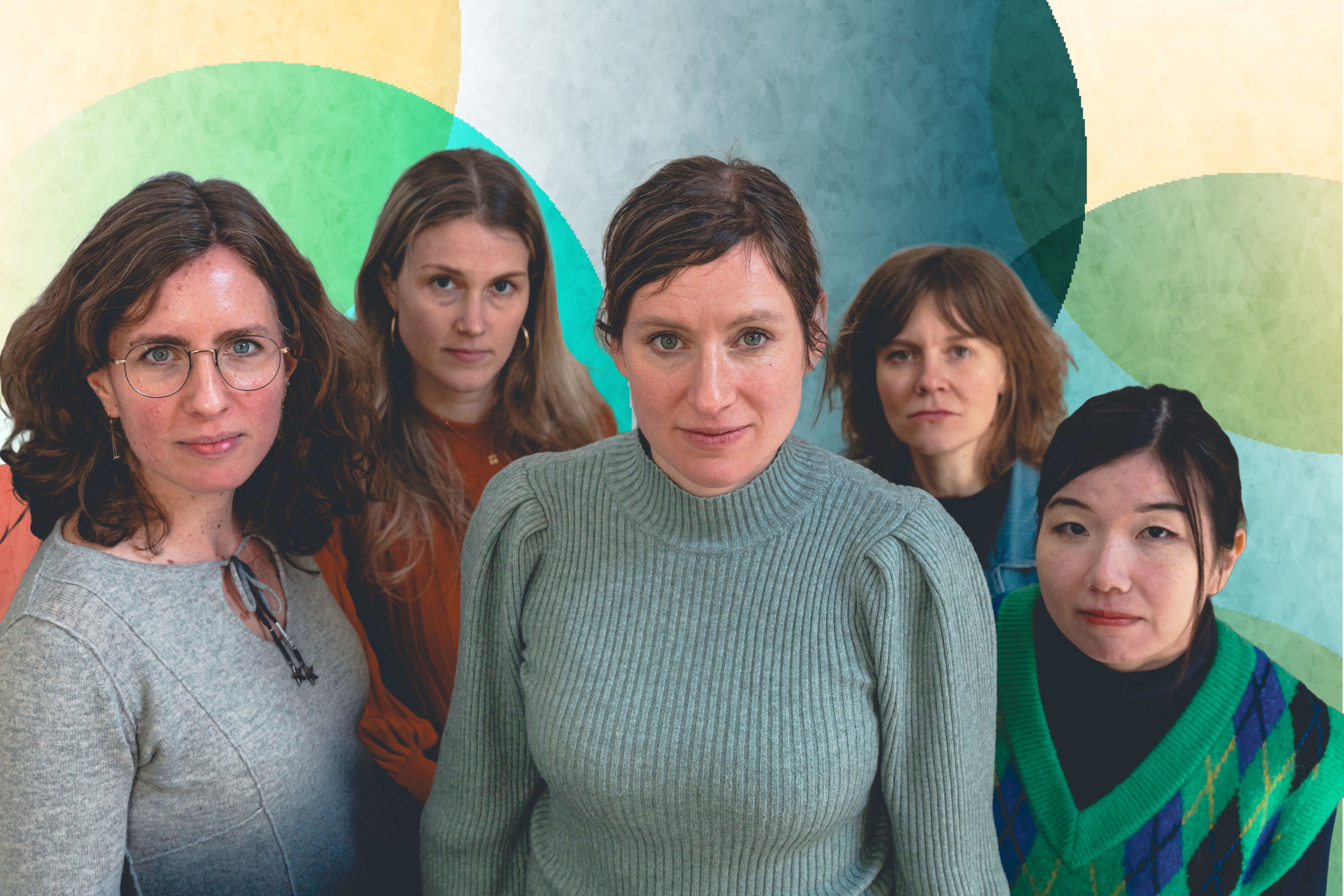
Expand Band Picture (c) the artists
For recording engineers, the human voice remains a tricky element to capture. What, from your perspective, makes voices sound great on record and in a live setting?
I think it’s crucial to have a good engineer and good communication skills. To know in which frequencies your voice sounds best and what kind of sound you like for your instrument comes in handy - especially when you’re playing live.
The same goes for microphones - not every mic is a fit for every voice. For jazz I prefer a condenser mic for my voice, preferably Neumann or a good Shure beta 87. For recordings I was lucky to mainly record with very good sound engineers, such as Christian Heck from Loft studios, Cologne.
Finally of course the essence of a performance is what makes a voice sound great.

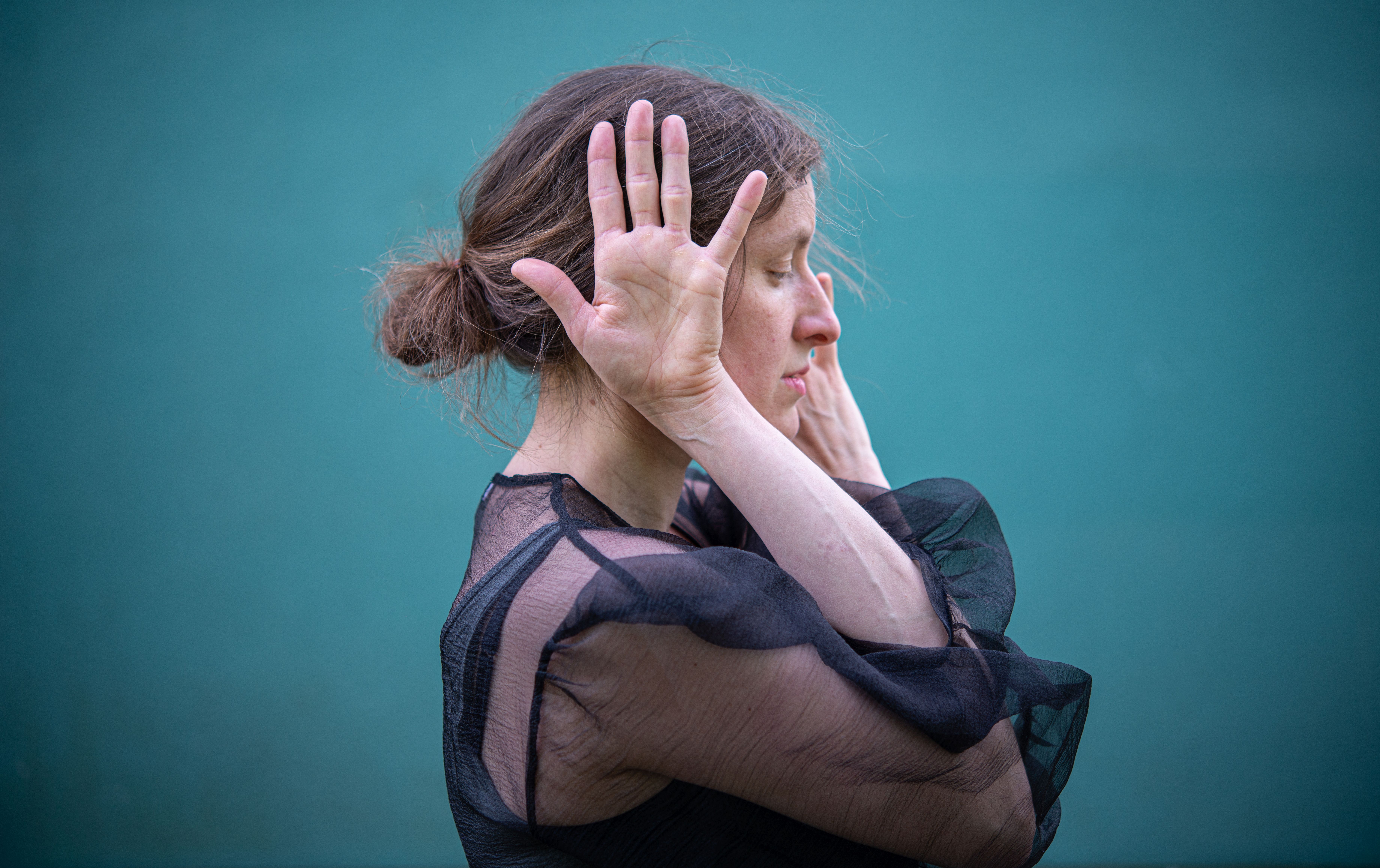 Sara Decker Interview Image by Pierre Hansen
"A good sense of rhythm and groove is crucial for a jazz vocalist."
Video