

Published
Name: Romain FX
Nationality: French-Hong Kong
Occupation: Producer, DJ, curator
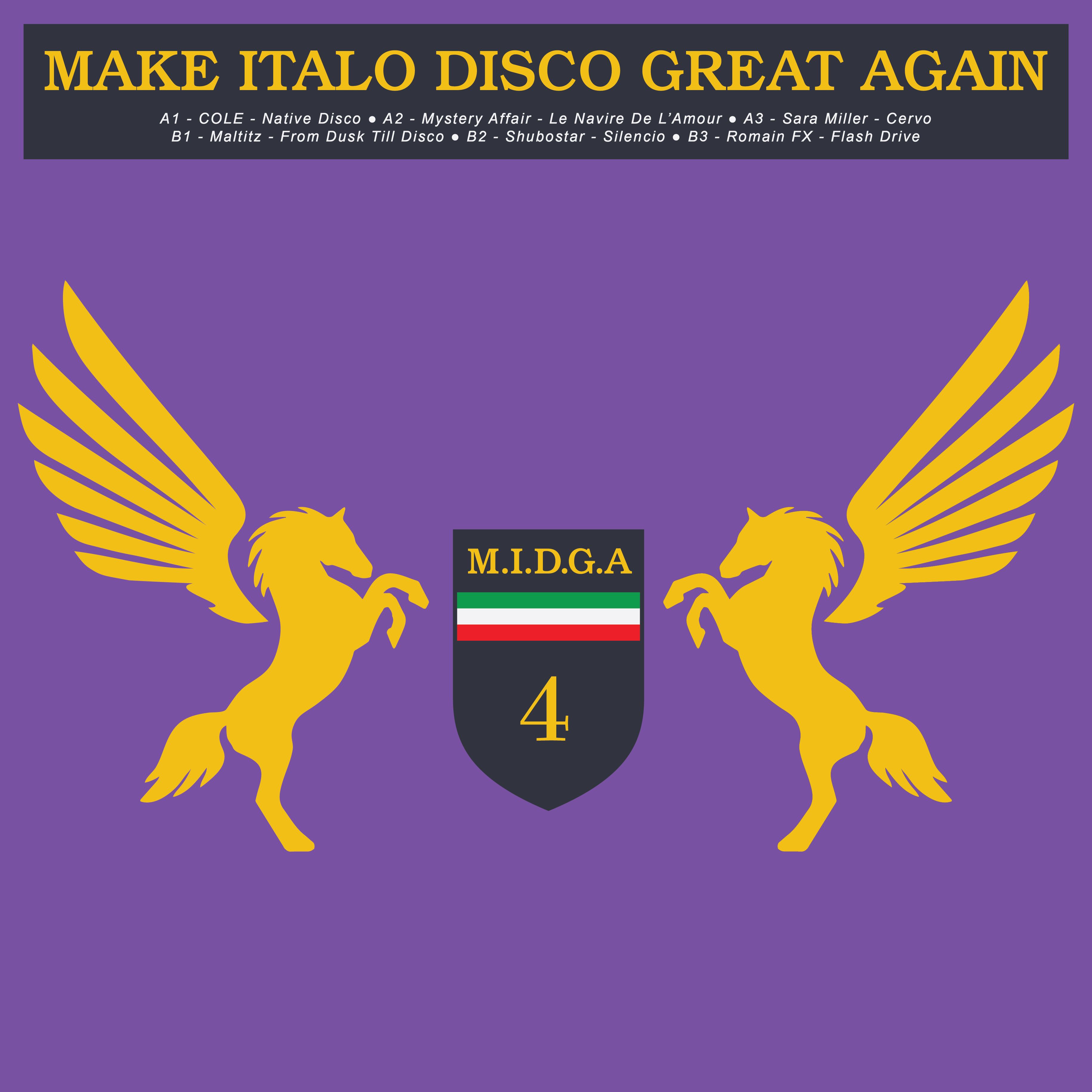
Current release: Romain FX is one of the artists featured on the fourth instalment of the Make Italo Disco Great Again EP series which he also curated. A collaboration between Cracki and Fauve, it is slated for release October 4th 2024.
If you enjoyed this interview with Romain FX and would like to stay up to date with his music, visit him on Instagram, Facebook, and bandcamp.
In 2024, disco seems to be everywhere. What makes this music so incredibly timeless and which of the current wave of commercially successful artists do do you personally appreciate it as well?
While disco may not be as dominant as it once was, especially with the resurgence of Trance and Rave post-COVID, I believe it has a lasting appeal that will inevitably bring it back into the spotlight.
Disco has a unique lightness and a sense of euphoric togetherness that few other genres offer. In a world that often feels grim, this kind of uplifting music is something people will crave more than ever.
As for commercially successful artists who continue to champion disco, I really appreciate DJ Harvey, Red Greg, Cormac, the Rush Hour crew (Antal, Hunee, etc.), and, of course, legends like Nu Genea, John Morales, Dave Lee, and Dimitri From Paris. These artists keep the spirit of disco alive and thriving even through different genres of music.
Do you still remember the first time you discovered disco for yourself? What drew you in?
I remember my parents took to me to a Jamiroquai concert when I was 10 or so, and as much as it’s closer to Acid Jazz and Funk, the strings used were very disco oriented and it was the first time I experienced this sense of intense euphoria I was telling you about earlier.
[Read our Stuart Zender of Jamiroquai interview]
This intensity of emotions through melodies, harmonies and rhythm has always been a huge source of inspiration for my own productions.
There are several countries with a strong disco tradition. Hong Kong is new to me in that respect. Tell me about your perspective on it, please. What is the relationship between the original American disco and your personal take on it?
Hong Kong had a vibrant disco scene in the 70s and 80s, with big names like George Lam, Leslie Cheung, Prudence Liew, Alan Tam, and many others leading the charge.
Before iconic venues like DD’s, Canton Disco, and Hot Gossip opened their doors, Hong Kong boasted a unique hotel and clubbing scene that was a hub of creativity, style, and mischief. These discotheques were the epitome of desire during that era.
In those days, there were many covers of original disco tunes, with only a few original contributions. For me, it wasn’t until the late 80s and early 90s that the Cantonese sound truly came into its own. This era saw the emergence of a unique blend of dry, short FM percussion beats combined with a distinctive mixing technique that emphasized hard left and right channels. This style really captures the essence of the Canto sound.
What defines disco for you – and what sets italo disco apart?
For me, disco is characterised by live instruments, the early days of 4x4 beats still played by live drummers, and a heavy emphasis on choirs, strings, and strong, meaningful, and uplifting vocals.
Italo disco, on the other hand, emerged when disco went underground and had a baby with drum machines and were composed of smaller bands with usually the drummer non-existent. The Italo sound is known for its catchy hooks, simple yet effective melodies that anyone can hum, and playful, often cheesy leads and vocals.
And, of course, there's that signature arpeggiator 12-octave bass roll that sound like this—up, down, up, down, up, down, change notes—up, down, up, down. That’s Italo disco to me.
I find it fascinating that disco, even more perhaps than rock, has always had an entirely universal appeal and animated musicians as far away as India or Africa to make music in this style. What is it about disco that makes people everywhere like it?
It's that simple 4x4 beat I mentioned earlier—an easy rhythm to follow while dancing, which has become a universal language, much like English as the global lingua franca. The repetitive nature of disco mirrors tribal gatherings in some cultures, where rhythm induces a trance-like state.
Disco's rise was also closely tied to America's post-war ascendancy, and it played a significant role in the emergence of LGBT culture, celebrated for its extravagance and icons like Prince, Queen, and many others.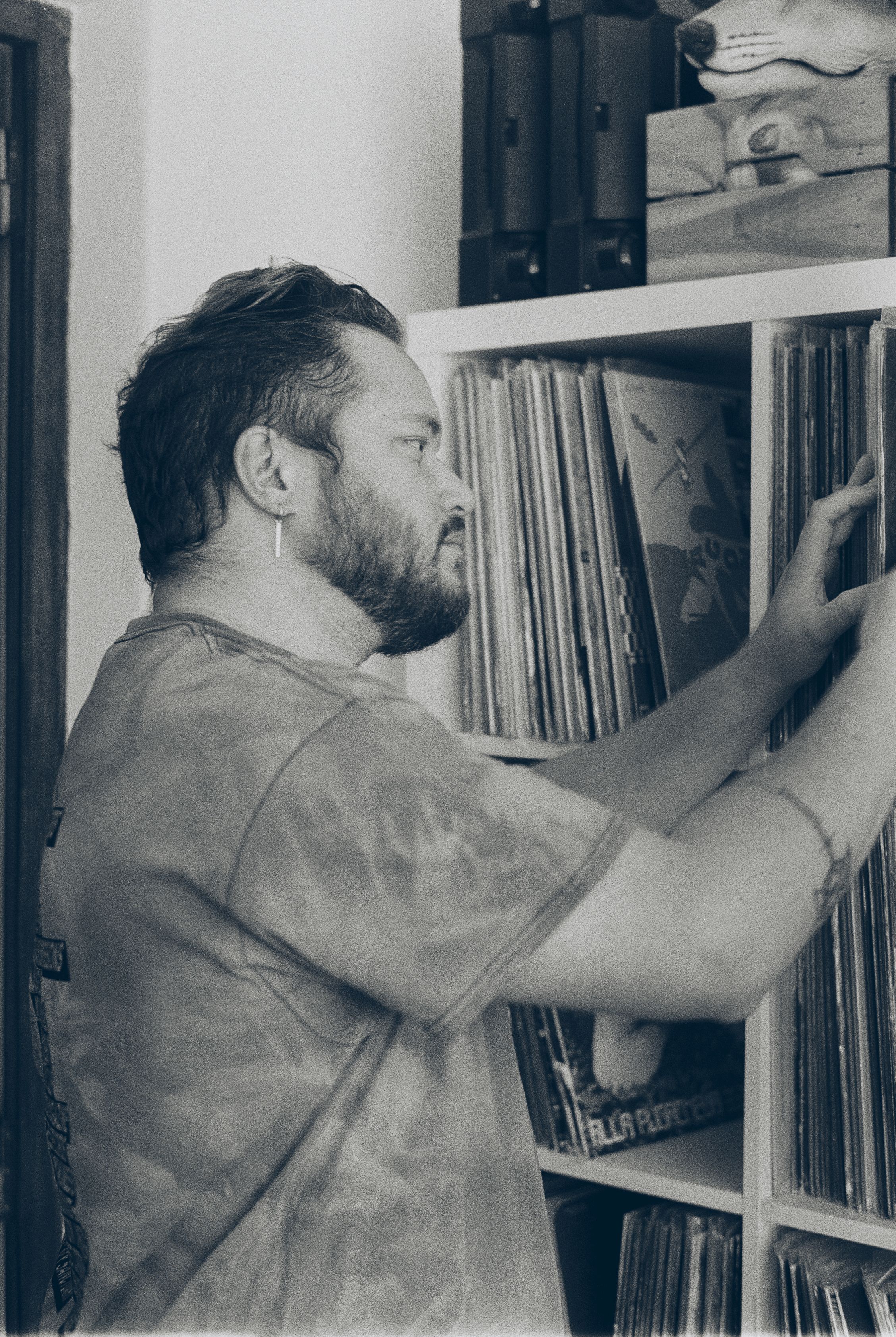
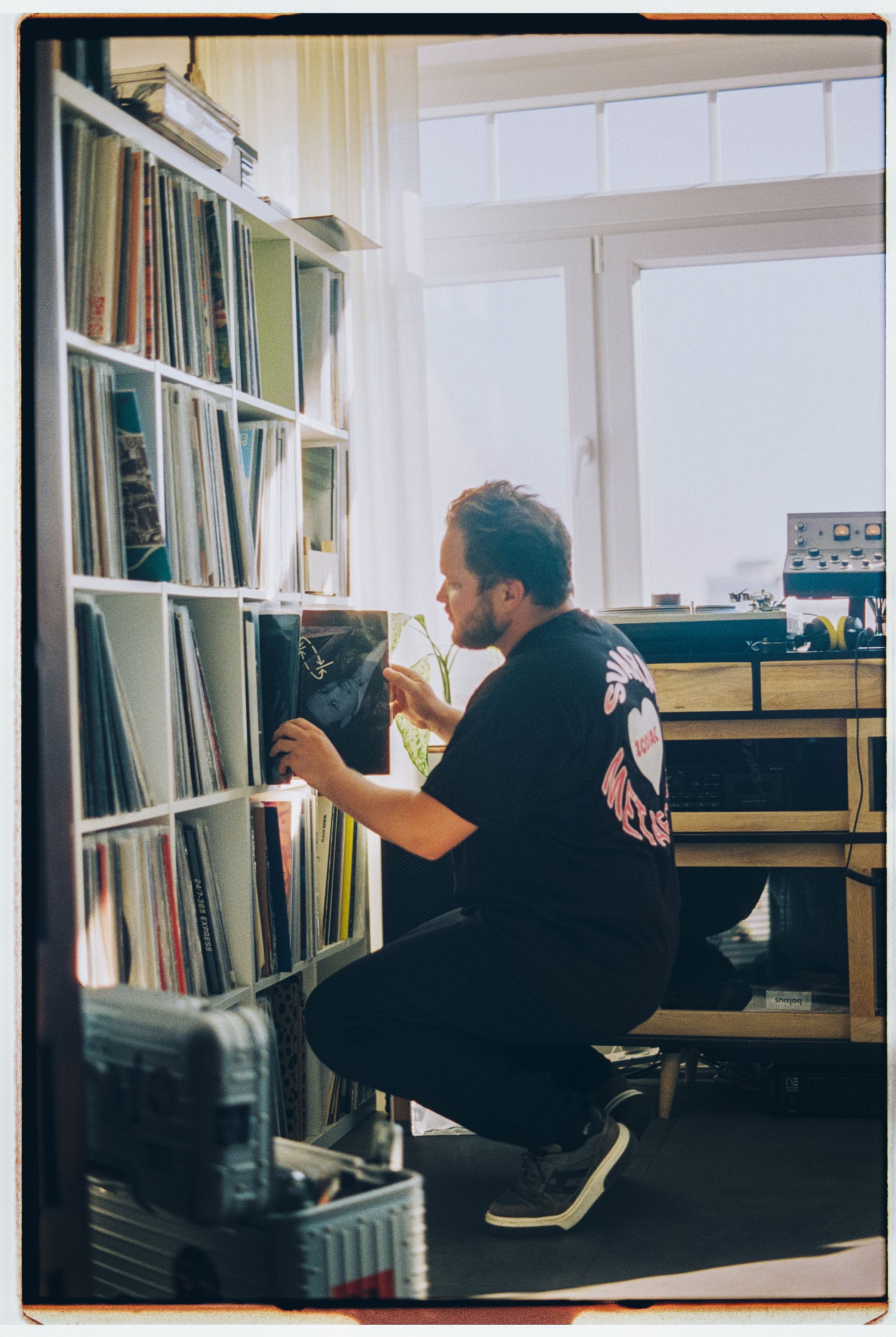
Romain FX Interview Image by Lana Lenfant
Disco has always been negatively compared as a purely hedonistic music compared to the supposed “seriousness” of rock. How do you see that yourself?
It's true that disco has been labeled as hedonistic, but I believe that's actually its greatest strength.
The essence of disco lies in its ability to deliver a universal, multicultural message that everyone can relate to—whether it’s hope, love, passion, or even frustration. Disco isn’t about being serious in the way rock might be; it’s about creating a shared experience that transcends cultural and social boundaries. The music emphasizes a collective spirit, bringing people together on the dance floor to celebrate life, regardless of their background or ethnicity.
In that sense, its so-called hedonism is really about inclusivity and unity, making it a powerful force for connection and expression.
There have been groundbreaking experiments in disco – from “I Feed love” to “Love to love you Baby.” Which of these interest you and how much room for experimentation is there in your own work?
I could even mention how "Staying Alive" by the Bee Gees is famously the ideal BPM for performing CPR—how genius is that?
"Love to Love You Baby" stands out for its sensual and provocative style. It was revolutionary in its explicit embrace of sexuality in music, and the extended 17-minute version was a bold departure from the standard 3-minute pop format.
These breakthroughs were crucial in shaping dance music into what it is today. They proved that you can make a track as long, as sexy, as daring as you want.
House music built on this foundation, pushing boundaries even further. For example, "French Kiss" by Lil Louis slows down the tempo to emphasise sexual moaning …
... while Larry Levan’s 12-minute version of "Make It Last Forever" was designed to drive dance floors wild for an extended period.
I could go on and on—the possibilities in dance music are endless.
What are some of the great tracks from the history of Italodisco that the title of the compilation refers to? Would you say there really was a slump in quality for disco releases for a while?
That’s a tough question because there are so many great tracks across different genres. But if I had to choose, I’d go with New Order's "Blue Monday."
While it's classified as Synth Pop, it draws significant inspiration from the Italo Disco era in its instrumentals. It’s a perfect blend of New Wave and Italo Disco, featuring catchy melodies and hooks.
On the more "classic" side of Italo Disco, Giorgio Moroder's "I Feel Love" is essential. It represents a pivotal moment in the evolution from Disco to Italo Disco, with its innovative use of synthesizers and drum machines.
Regarding the decline in the quality of disco, it’s true that many genres experience a drop in artistic integrity once they become mainstream. This happened with Disco, Italo Disco, and even House music. When big money enters the scene, the original essence of the genre can be lost.
Disco has always included electronic means, but it was built on a foundation of tightly performing live musicians. If ones recreates disco with electronic means on a computer, what gets lost, what is gained?
That’s a very interesting question. Disco was originally built on a foundation of live musicians who brought a raw intensity and emotional depth to the music. The grooves were more fluid, with musicians performing in sync with their feelings and instincts. Live recording meant that occasional mistakes or imperfections could even end up in the final take, adding to the music's authenticity.
When recreating disco using electronic means on a computer, there are both losses and gains. On one hand, modern technology allows for precision and a perfectly polished sound, with grooves meticulously tightened and frequencies perfectly managed. This results in a cleaner, more controlled sound. However, the soul and emotional depth can be diminished because the "human" element of imperfection is often lost.
Even Italo Disco, with its use of early electronic machines, had a certain grit and character because these machines, while innovative, were not flawless and had their own unique quirks. Many contemporary producers try to emulate the imperfections of that era, but it’s challenging to fully capture the spontaneity and raw emotion that came from working with less predictable technology.
The frustrations of live recording with glitchy machines added to the emotional impact of the music made it what it was.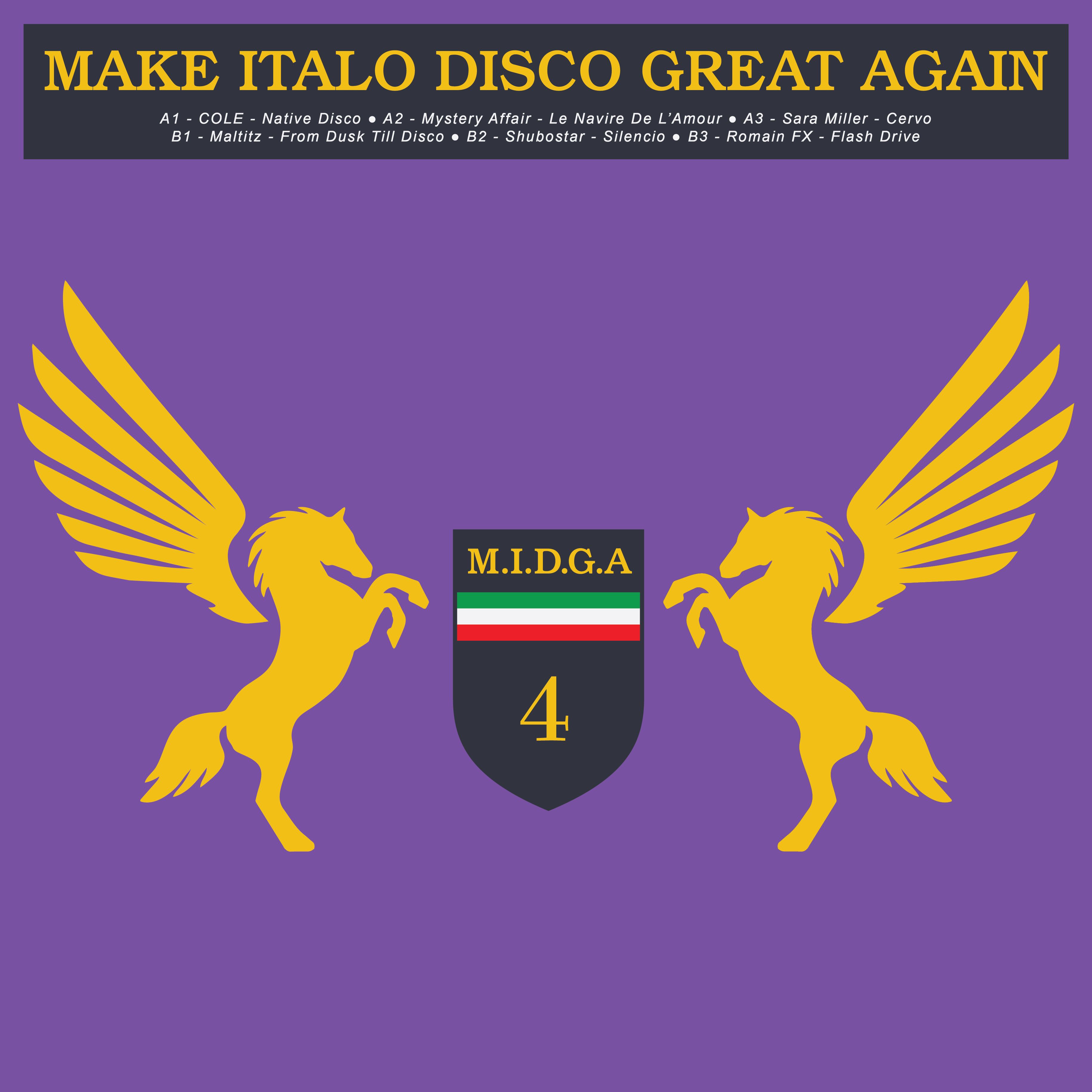
Make Italo Disco Great Again Cover (c) Cracki / Fauve
Make Italo Disco Great Again is a colourful, playful series of compilations. What were some of your considerations when starting work on the first one?
The concept was to invite artists to share their personal interpretation of Italo Disco, as the genre has so many facets and is perceived differently by everyone. Adding a unique artistic touch from each contributor was important to me.
I also aimed to include artists who might not be directly associated with the Italo Disco sphere, because every producer at some point in time in their career has created an Italo Disco-inspired track, my role is to dig it out and release it through Cracki Records and Fauve Records.
Tell me about putting the third and most recent instalment – why did you decide for these artists, what did you specifically ask for in terms of contributions, did you want to achive a flow between tracks etc …
After the initial releases, I observed a predominance of male producers, so for this instalment, I aimed to include more female artists, younger talent, and a diverse range of producers from around the world—spanning Ireland, Mexico, Seoul, the United States, and Germany—to bring fresh perspectives to Italo Disco. 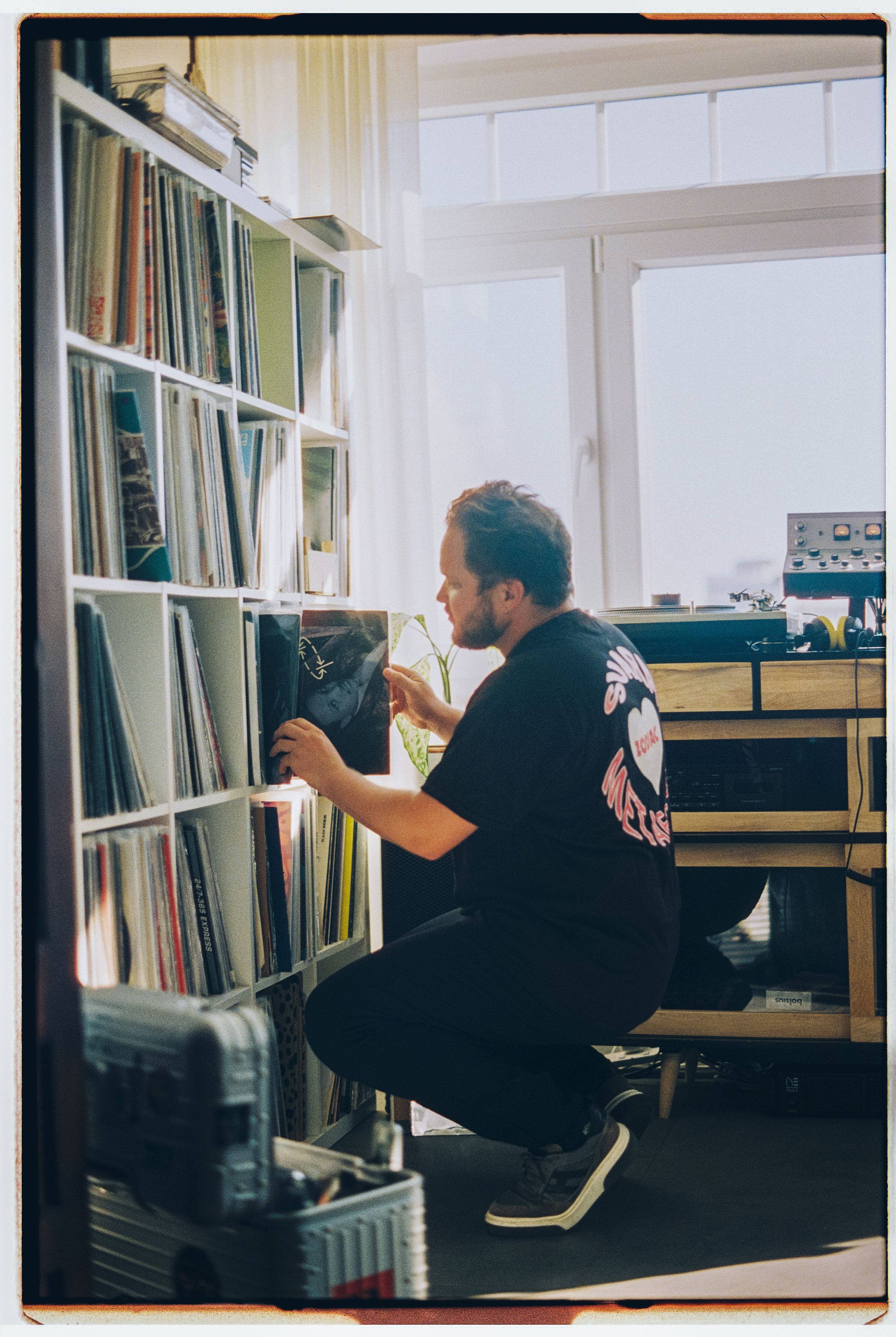
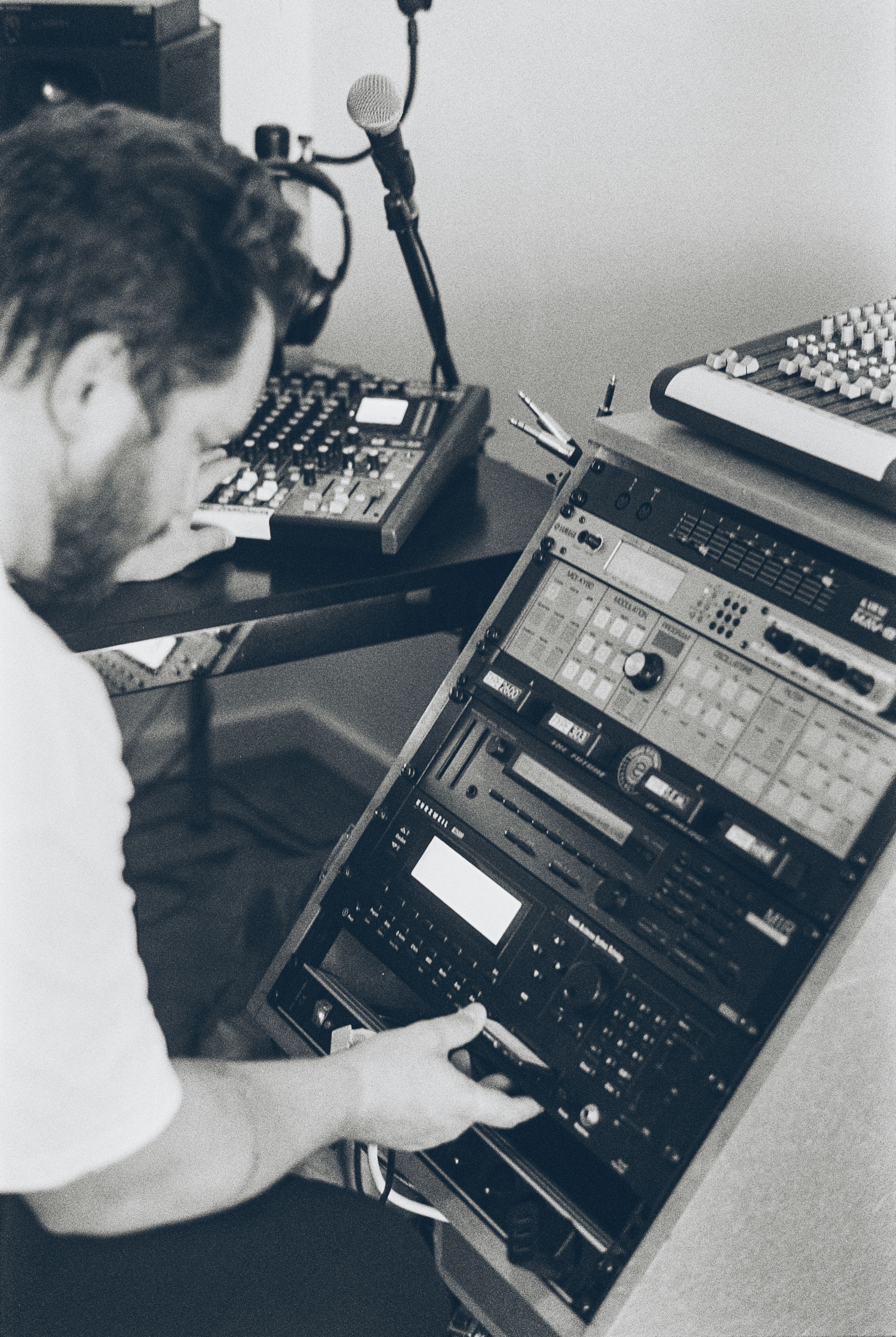
Romain FX Interview Image by Lana Lenfant
I selected these artists because they are influential in the contemporary Italo Disco scene and have made notable contributions with their previous work. Additionally, I wanted to give them the opportunity to release their music on vinyl, which for many is their first vinyl release.
A great disco piece needs to find the balance between songwriting and groove. For your own contribution to the compilation, how do you approach this?
I typically wait until all the other tracks from the producers are in before I start working on mine. This approach allows me to assess the overall musical landscape of the EP and create a track that complements and fills any gaps.
For this installment, I decided to incorporate a bit more rock influence combined with Afro-inspired vocals – because “why not?”.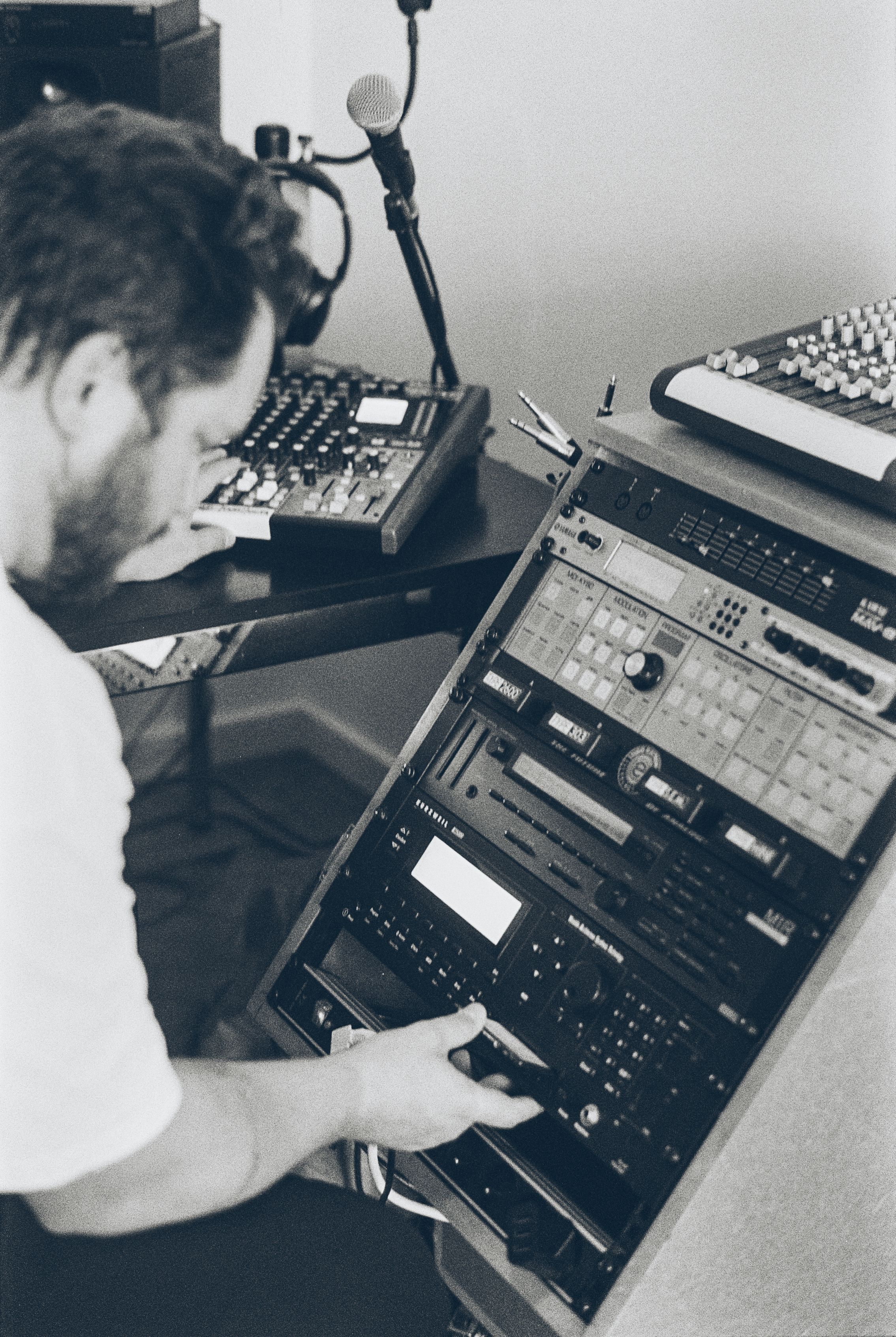
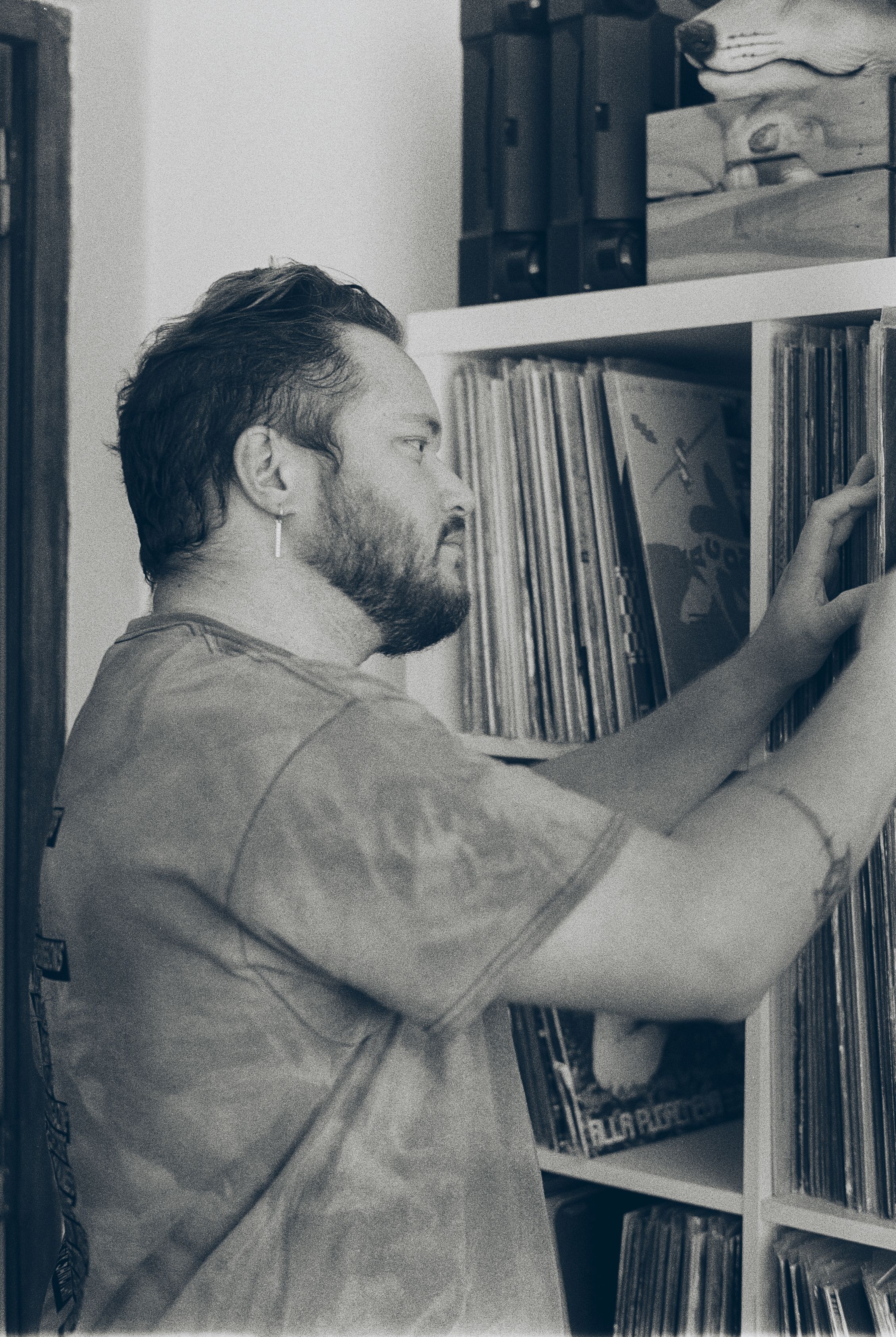
Romain FX Interview Image by Lana Lenfant
What are some of the most important pieces of equipment and gear for your own productions to get that classic Italo Disco sound?
I rely on a few key pieces of equipment. My Ensoniq Mirage is essential for giving samples a gritty texture, while the Roland R-8M provides the heavy, classic drum sounds.
Additionally, I use the ATC-1 for its mono-synth analog bass with the S.E.M. filter. To complete the setup, I mix everything using a Tascam tape mixer, then a few Wave VSTs for the mix down. Together, these tools usually do the trick.
What’s your perspective on using vintage equipment versus contemporary one, especially when working within a style which originated many years ago?
Honestly, it’s less about the type of equipment and more about how you use it. As Giorgio Moroder famously said, “Once you free your mind about a concept of music and harmony being correct, you can do whatever you want.” I’ve seen producers achieve remarkable results with both VSTs and analog synths.
Personally, I enjoy blending vintage and contemporary gear, despite the challenges it can present. In the end, it’s not the instruments that make a hit, but the creativity and vision of the artist behind them.