Name: Raz Olsher
Nationality: British
Occupation: Producer, composer, songwriter
Current Release: Raz Olsher's new album Craters of the Lost Souls is out via Fossil Sounds.
Shoutouts: I have a project with my brother, Zack Bar, called ‘The Composer’s Cut’. We bring to life films and scores for a live performance by the composer or another talent and give it a fresh presentation. This is a good opportunity to explore the connection of music to a film and take it even further in a live performance setting. Watch this space we got a few things in the pipeline.
If you enjoyed this Raz Olsher interview and would like to know more about his music, visit him on Instagram, Facebook, and bandcamp.
Do you think that some of your earliest musical experiences planted a seed for your interest in film music as well?
I feel music always came to me with emotions and visuals. It was hard for me to understand and listen to lyrics and I made sense of the story telling through the soundscapes and music liberated from a literal world.
In my mind music evokes visuals and other worlds' emotions.
Which composers, or soundtracks captured your imagination in the beginning? What scenes or movies drew you in through their use of music?
Early on it was the great such as John Williams, Jerry Goldsmith, Henry Mancini, Bernard Herman.
Memorable scenes would be The Good, The Bad and the Ugly - “The Ecstasy for Gold" by Ennio Morricone, …
… or Edward Scissorhands - “Ice Dance” by Danny Elfman.
I do remember Jaws as a kid ... very effective couple of notes!
Apocalypse Now: The scene where helicopters attack a Vietnamese village is legendary because of the operatic power of Wagner’s music, turning destruction into a terrifying spectacle.
Soundtracks were also very important to me. Films such as Trainspotting, The Crow, Judgment Night, Singles and Pulp Fiction.
What were your very first active steps writing film music and how would you rate the gains made through experience - can one train/learn being an artist?
In Uni I collaborated with film students and started scoring short films for their endeavours. I think any artist can do it.
Writing for film is a different process than writing music for your own heart and soul - but that can also be liberating. It's a part of a team. Different medium.
For your own creativity and approach to writing for film, what were some of the most important things you learned from teachers/tutorials, other composers, or personal experience?
There is a lot of work that can be done in the prep. Talk about it, think about it, lay down a pallet of sounds and instruments. A good prep can avoid a lot of faffing about. Another lesson was to stay away of the dialogue range when scoring for dialogue.
One director also told me once “Easy on the drama, leave some of it for the actors.”
How would you rate the importance of soundtracks and film music for the movie as a whole? How do you see the relationship between image and sound in a movie?
The beauty of film making is that it incorporates all art forms. Music has a different role in different films. It can be another character, It can tell things that are not shown on the screen, It can augment emotions and drama, It can also get in the way …
It really varies on the work and film makers.
There are dedicated scores, sound tracks, temp tracks that ended up staying in the finished movie, and even scores that were written without the composer seeing the movie first. How do these different premises affect the finished movie, do you feel?
There are different types of process that film makers use to achieve their goals. All of them have advantages and disadvantages.
There are many legends that liked to compose before filming and played the music while shooting to set the atmosphere, tempo, camera movement.
Fellini and Rota, Leone and Morricone. Kubrick and Carlos, Lynch and Badalamenti. In these examples he music sets the tone.
Ultimately I feel all methods are legit and the result is what is important.
How did you get started scoring for films and what were some of the specific challenges?
I was working with young film makers trying to make a living in any way I could that is still musical and creative. Slowly I started to get work via word of mouth.
It's not easy at the start but then you create relationships with directors and grow together. I found that most satisfying.
As creative goals and technical abilities change, so does the need for different tools of expression, be it instruments, software tools or recording equipment. Can you describe this path for you, starting from your first studio/first instrument? What motivated some of the choices you made in terms of instruments/tools/equipment over the years?
This is a constant journey as you can easily find yourself comfortably numb and safe. The problem is the music becomes predictable.
My beginning was playing instruments with bands. Then I got a drum machine, a Roland synth with a sequencer and I programmed on that. Then I got my first computer. I loved electronic music but also live music and always was intrigued by the combination of these two worlds. I used all the major sequencer softwares. I moved from a bedroom to a studio.
Now I have a live room full of instruments and a control room full of toys. In the past I was doing a lot in the box with MIDI but today I like to move air with instruments. I have a synth collection and fun pedals. I like to play things in rather then program them. But that will also change. The goal is to take all the tools you gain forward with you into the next work.
This album for example was influenced by a Gretsch guitar that my friend left in the studio and a couple of synth patches that I fell in love with. A piece of gear or instrument can open a new path of creativity.
I would assume that a major part of composing for film is the ability to interpret the images and the narrative at play. Tell me about how this works for you and how these interpretations in turn lead to sounds and compositions.
I like to have themes or an instrument for the different characters. Then I play with the instrumentation according to what the story needs. It's fun to have these themes in different moods but it is really about what atmosphere you want to set.
It can also be very different from what you see on the screen. Sometimes the music will tell a different part of the story that is not shown to us.
What, from your experience and perspective, does the ideal collaboration between you and a director look like?
Having fun, experimenting, challenging each other. I love learning new things and to be pushed out of my comfort zone.
It's always good to have someone with a clear vision at the controls.
How do the other aspects of a movie's sound stage – such as foley and effects – influence your creative decisions?
It really helps to have the full picture of what the roles of each department is. Unfortunately most time that's a luxury.
Working closely with a sound team definitely helps the audio to be effective.
The balance between visuals, fx and film music is delicate. What, from your point of view, determines whether or not it is a successful one?
I think their role can be similar or different.
For it to work there is no need to be able to differentiate one from another. I like it when the whole audio experience feels as one unit.
Different composers could potentially approach the same scene with strikingly different music. Would you say there can be 'wrong' and 'right' musical decisions for some scenes? In which way can some film music be considered ‘definitive'?
I don't think it's definitive. It all depends on what you are trying to achieve and even then you can achieve it in different ways.
At the end of the day if you can, you try it and see how it works. If you are open there are always surprises.
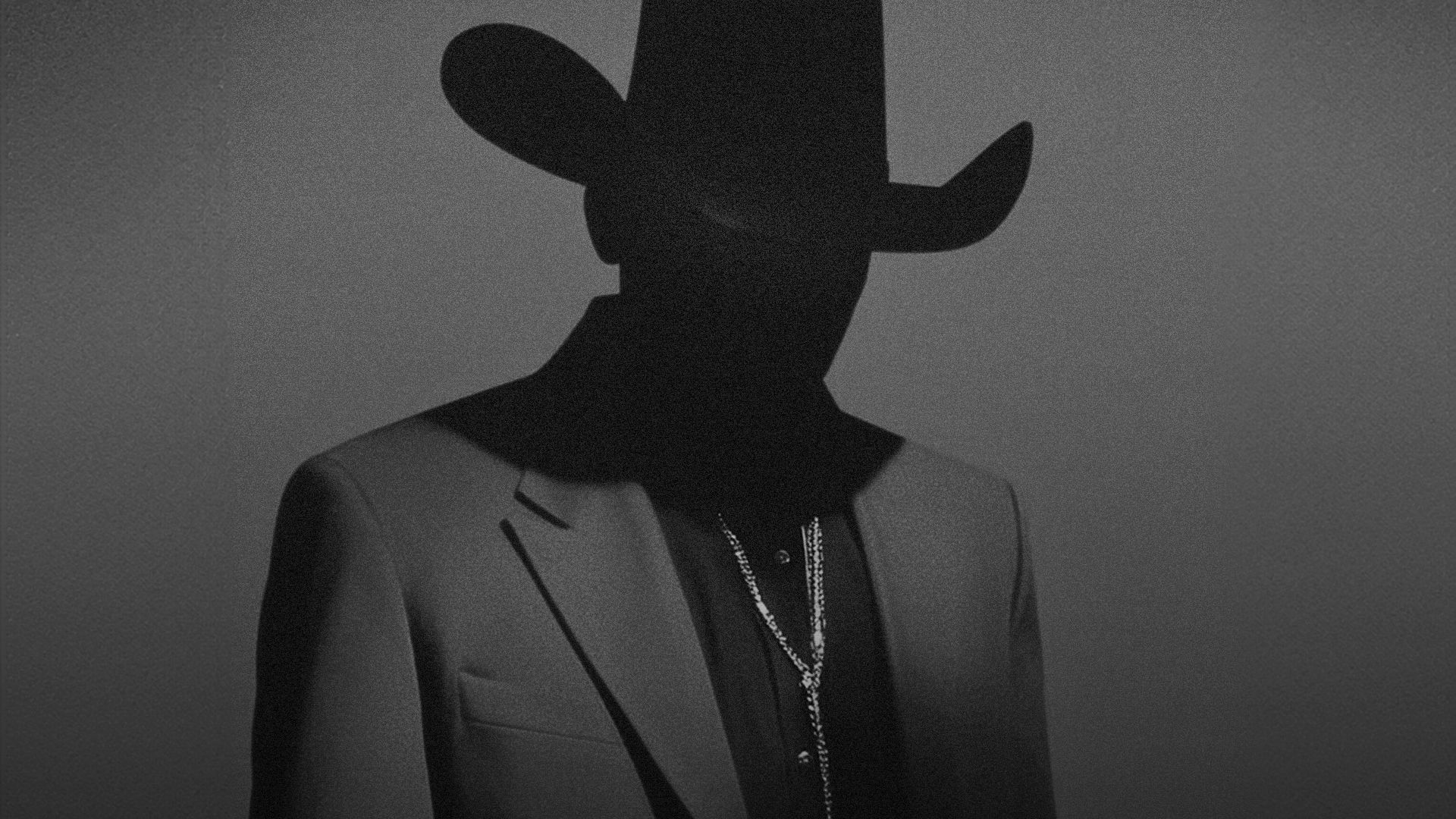 Raz Olsher Interview Visual by Simone Lorusso
“Writing for film Is a different process than writing music for your own heart and soul - but that can also be liberating.“
Video