Name: Qobuz team
Current event: On March 15th 2024, Qobuz hosted its second Annual SXSW Sessions. The event featured Cosmo Pyke, Allegra Krieger, Sinkane, and Maria Chiara Argirò. For the streaming platform, these concerts are part of a wider strategy, involving live performances, deep editorial content and offering high-res downloads alongside streaming content.
Requirements for making full use of the Qobuz high-end listening experience: Enjoying lossless music is actually very accessible. You likely own what would be necessary to get you going. In your car, you need a wired connection, usually a USB cable from an equipped head unit. On a home system, you can get up to 24/96 with an AudioQuest Dragonfly and your phone for about $100. This is wired to your home system and it sounds very good. From there, better DAC’s and streamers do improve the sound and there are hundreds on the market from $150 to upwards of $150,000 to choose from, based on your system.
If you enjoyed this Qobuz interview and would like to know more, visit the Qobuz homepage.
Qobuz is fast approaching its 20th birthday. From your point of view, what were the important cornerstones of the journey so far?
Qobuz was founded in 2007 with a unique vision for music that diverges significantly from mainstream streaming platforms.
We have always believed that free streaming undermines the value of music and the artist, that sound quality is essential for preserving this value, and that human recommendations are central to the music discovery experience. For 15 years, despite the evolution of our offerings, we have remained true to this vision.
In recent years, we’ve focused on staying true to that vision while focusing on growth. In the last four years, we have more than doubled our international presence. We are now present in 26 countries across Europe, the Americas, Oceania, and Asia.
International expansion is a real growth driver for us. We are expanding internationally, but we are doing so step by step.
Qobuz has described its approach as a “boutique in a superstore world.” What does that mean, exactly?
Our positioning focuses on giving users the highest- experience and creating an approach based on expertise. We rely on the expertise of a team of editors specialized in various musical genres. This enables us to offer extremely comprehensive and insightful playlists and articles.
Although we use AI to enhance the user experience, the human element remains at the heart of our curation. In a world where over 120,000 tracks are released daily on streaming platforms, this approach is essential for expanding users' musical horizons rather than limiting them to their existing preferences.
Tell me a bit about how you pick your playlists. How do you see the quality of human-picked paylists vs those calculated by algorithms? What are aspects that your curators are looking for in terms of their selections?
While machines have their uses, we believe human input is indispensable in music curation and that editorialization plays a key role in preserving the diversity and richness of musical culture.
With that in mind, we prioritize human-curated playlists over algorithm-driven ones. Our team of genre specialists crafts playlists and highlights new album releases based on various factors, including subscriber expectations and ensuring the best recording quality, especially in rock, jazz and classical music.
We offer thousands of playlists available in all genres. Our playlists, spanning new releases, classics, mood-based selections, label histories, and artist discographies, reflect years of expertise and passion. Additionally, our editorial team selects albums, from old and new emerging artists, to feature them in playlists, articles, interviews, and other magazine content.
Streaming, in many respects, is a mass medium. Classical music, jazz, world music, and folk are niche genres – yet they seem to be among those which Qobuz excels in. Tell me about the specialized listeners that are drawn to your platform, please, and the satisfaction and challenges of catering to this audience.
Our users are largely music enthusiasts and audiophiles who come to us for our unique approach to music. They come for our community, our expert content, high-quality and lossless sound quality, and a diverse catalog.
Historically focused on jazz and classical music, we cover all music genres, rock, pop, electro, soul, R&B, etc.
Would you say for Qobuz, it is more important to have a large, ideally gapless all-around catalogue or securing the rights to specific titles for your core target audiences? How large are the differences between the Qobuz catalogue and those of other major streaming providers?
We do not compare ourselves to the giants. We offer over 100 million tracks like all platforms, but we also pay special attention to providing high-quality services to all our customers.
For example, the entire catalog is available in lossless quality (Hi-res and CD), regardless of the subscription. This sets us apart from most other streaming platforms.
When most hear the term “specialized listener” they'll think of the above mentioned niche genres. Are you observing that there is a growing interest from “mainstream” listeners for superior audio quality and better journalistic content from their streaming provider as well?
It is clear that with technological advancements, whether through 5G or the quality and accessibility of equipment, we see greater demands from users.
For example, in a recent study we conducted, 66% of young adults aged 18 to 34 clearly identified the link between sound quality and hearing health. They are demanding more in terms of quality. This aligns with our desire to offer a rich, authentic, lossless music experience.
Additionally, there's a resurgence of interest and a bit of nostalgia for old-school, personalized music experiences, as seen with the return of vinyl. With digital booklets/liner notes, human curation, and extensive editorial in Qobuz Magazine, we’re able to provide a deeper, more holistic listening experience digitally, reminiscent of going to a traditional record store.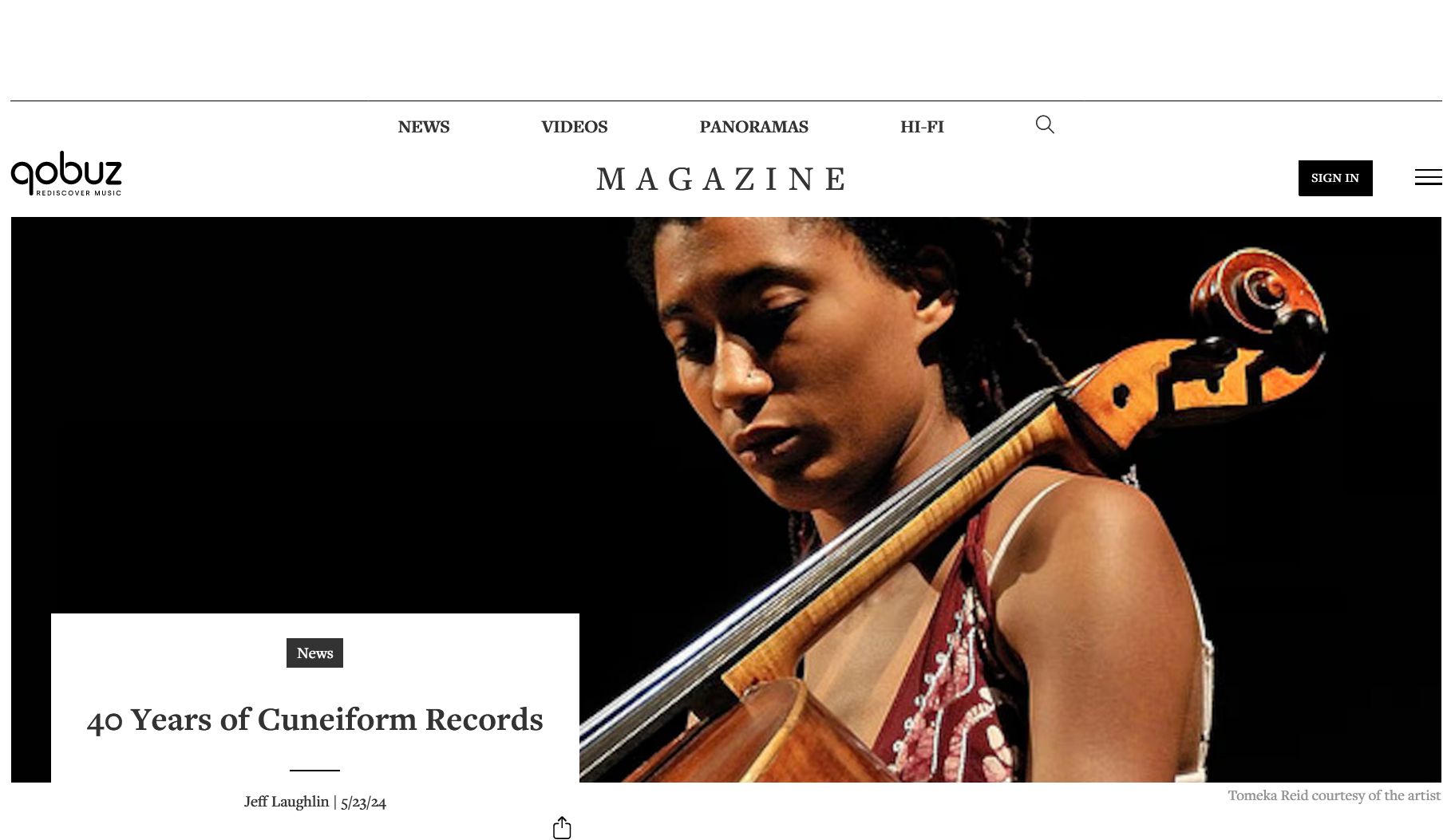
Qobuz Magazine Image by Qobuz and Tomeka Reid
You've also stayed loyal to the idea of owning music through downloads. It's interesting – this almost feels like an anachromism. Why do you feel they're still relevant?
Downloads remain relevant for several reasons.
Some individuals remain deeply attached to their music collections, whether to rediscover old favorites, digitize existing albums, or access high-resolution tracks unavailable on mainstream platforms. These individuals come to us and spend a lot to build their collections. This is particularly relevant for DJs who cannot compromise on the quality of tracks they play and seek out high-quality audio pieces.
Additionally, conscious consumers opt for downloads to directly support artists and the industry, as purchasing offers better pay for creators compared to streaming. Thus, users pay once for tracks or albums they can own and enjoy indefinitely.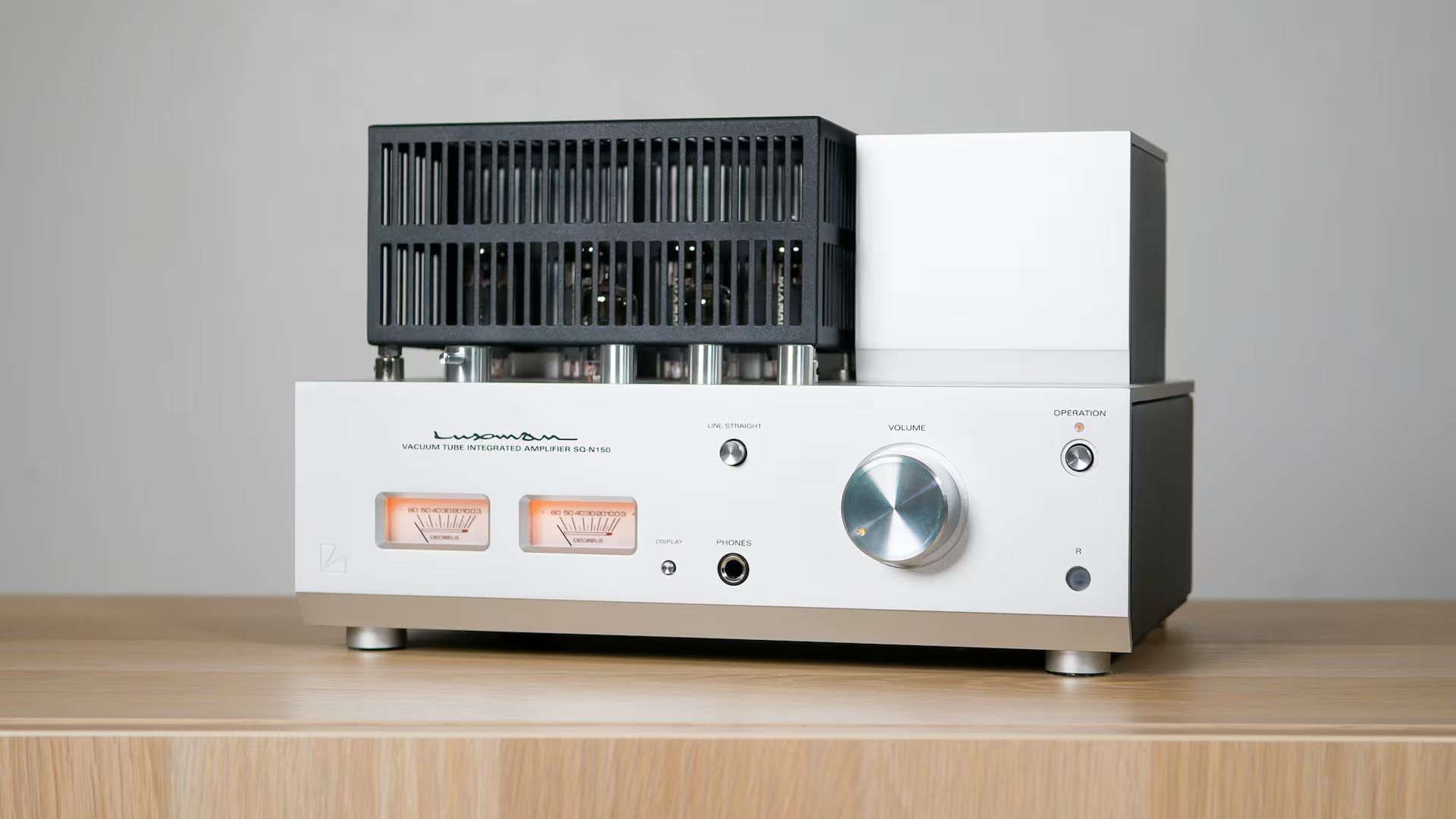
Luxman SQ-N150 Tube Amplifier Image by Luxman
What is your perspective on the future of physical formats?
We believe that vinyl records will continue to be cherished as collectible items. Vinyl has become an iconic object symbolizing our intimate relationship with music.
Rather than competing with our streaming service, instead, we see vinyl and Qobuz as complementing each other.
As catalogues are converging among the bigger players, are you finding that audio quality has become more important for deciding which streaming platform to join? Can we put a number on how relevant it is for customers?
We've noticed a shift towards platforms that offer higher-quality music experiences. This trend validates the relevance of Qobuz's longstanding model, which prioritizes providing the best sound quality to respect the work and the artist. For example, since 2020, we've provided all our subscriptions in high-resolution (Hi-Res) and Lossless quality. While quantifying the exact impact of audio quality on customer decisions is challenging, it's clear that it's a significant factor influencing their choice of streaming platform.
Qobuz is widely recognized as offering the best possible audio quality in the streaming world. In fact, some comment that even the high-res competition does not sound as good. What are your requirements in terms of mastering & mixing and what makes Qobuz audio superior?
We require lossless / Hi-Res files from the labels. Then we stream them to the end user with no additional processing of any kind.
What role do Atmos and Surround sound play for your strategy?
So far, our focus has been on other priorities to enhance the user experience through our apps. Adding Atmos support would be a massive expense for Qobuz without clear ROI so it is not at the top of our priority list.
[Read our Bob Clearmountain interview for his perspective on Atmos]
Your SXSW sessions seem to be embedded into a more direct approach to artist relations for Qobuz. Other than these sessions, how does this approach manifest itself?
We currently have and are in the midst of developing numerous collaborations with artists and labels - such as ECM, Blue Note, Zappa Records, Westbound Records, Secretly Group, International Anthem, Mercury KX, and Deutsche Grammophon.
These partnerships allow us to offer our subscribers exclusive albums, playlists, editorial content, and original videos in collaboration with acclaimed and eclectic artists. We have partnered with several Artist-Approved Sound Spokespeople who have helped us to spread the word about our unique offerings while developing exclusive content.
Wayne Coyne, the leader of American rock music icons, The Flaming Lips, as well as Christian McBride, eight-time GRAMMY Award-winning jazz artist, have both teamed up with Qobuz to curate special playlists and release video interviews among other exclusive content.

 Qobuz Logo (c) Qobuz
"We do not compare ourselves to the giants. We pay special attention to providing high-quality services."
Video