Name: Ossi Raippalinna, Anna McLuckie
Nationality: Finnish (Ossi Raippalinna), Scottish (Anna McLuckie)
Occupation: Percussionist, producer, researcher, educator, drum-maker (Ossi Raippalinna); singer, songwriter, Clàrsach player (Anna McLuckie)
Current release: Ossi Raippalinna and Anna McLuckie are among the artists picked for Making Tracks, a project inviting eight musicians from around the world for a two week residency at Cove Park, Scotland, "to create groundbreaking music that transcends cultural and even species boundaries." After writing the music, the participants then went on a tour to present and play the material live.
If you enjoyed this Ossi Raippalinna interview and would like to know more about his music, visit his official homepage. He is also on Instagram. For Anna McLuckie, visit her official homepage and Instagram account.
For more information about Making Tracks, visit their website.
Tell me about your participation in Making Tracks, please. What were your considerations going in?
Ossi: I was eagerly looking forward to collaborations with these amazing artists.
As a percussionist, I'm inspired by situations where I have to discover new rhythmical approaches and work towards delivering interesting and contrasting textures. Intercultural collaborations are a great playground for that and push me to reinvent my role as a musician every single time.
Anna: Going into the project I was really excited to get creative and to find new sides to my artistic practice through collaboration.
I had spent some time before the residency considering what we might create but quickly found that the most successful method of learning was to listen and to absorb what I could from the experience.
Tell me about the music you made through these collaborations, please.
Anna: I experimented on several collaborations throughout the residency, from a song made with the activity readings of a sea kale to a Newfoundland/Uyghur/Swedish epic. These collaborations all came about through song sharing and improvisation. I found that my favourite moments when collaborating were when the musicians found commonality in a rhythm or a refrain that brought together two very different styles of music.
I myself collaborated with a tama (West African ‘talking drum’) player, and we managed to find commonality in types of ‘mouth music’ from the two cultures. Our piece brought together both a story about sailors in Scottish Gaelic ‘Puirt-à-beul’ and a traditional West African story about Sundiata Keita (founder of the Mali Empire) learning to walk.
Now you’ve been on the road with the project, what were some of your favourite moments?
Ossi: All the pieces I played on stage had favourite moments for me. As the tour went on, we managed to play the tunes tighter and more dynamically, but also adding improvisation within the structure, which is very satisfying.
Ana: It’s really hard to pick one, but I think my favourite memory was from Glasgow watching the Making Tracks musicians play at a traditional Scottish folk session. It was really inspiring and hilarious to watch them all experiencing this for the first time and I loved being able to share it with them.
In some venues the participation and energy of live audiences brought the music to new levels.
Working with or in other cultures can make you more aware of how your own cultural background influences your creativity. Was this the case for you and, if so, what did you discover?
Ossi: This is something I often strive for when working with intercultural collaborations. I think I can confidently say that all of my musical encounters during the project managed to reach a fruitful creative flow.
A great discovery for me was the feedback that several musicians got inspired by my approach to playing the talking drum and the bodhran melodically.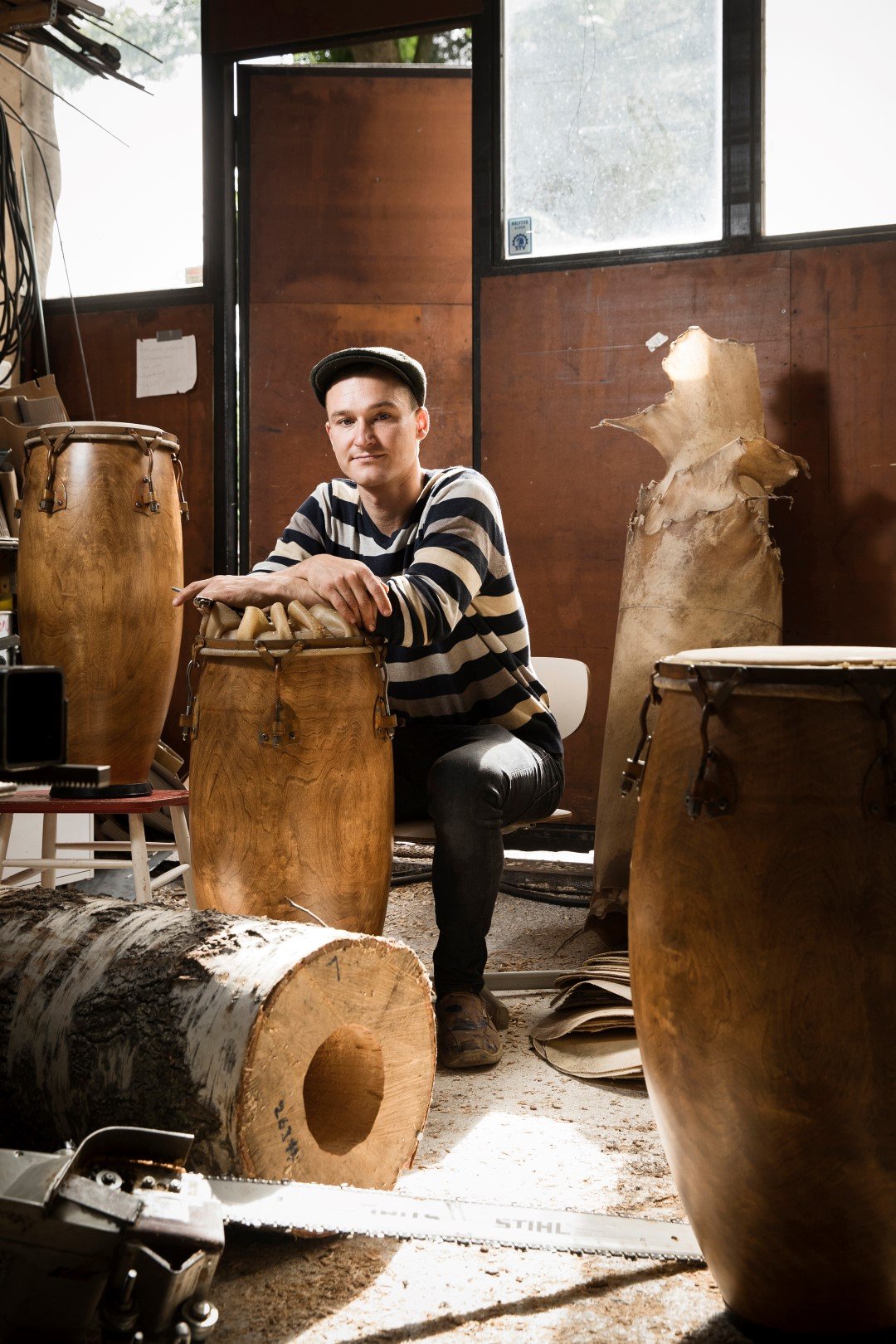
Ossi Raippalinna Interview Image (c) the artist
Anna: The biggest take away from the intercultural collaborations was realising how other types of music could improve my understanding of my own practice.
For example, I found myself questioning why a lot of Scottish songs are written in free time, and considering whether adding a new understanding of time could help improve my ability to appreciate space.
Being exposed to the richness of the world of animal sounds can be an intense experience. How has listening to animals changed your views on various topics?
Anna: I found my experiences of listening to music created in nature to be very thought provoking.
In particular I really enjoyed working with Helen Anahita Wilson on her interspecies piece with the sea kale. She really opened my mind to the opportunities of creating music with different parameters, and I found that using her samples gave me really interesting limitations. Working in this way made me question what I can add to my musical language by learning from other types of communication.
For me, It was not the first time listening to animals and being inspired by their sounds. I think that approach can potentially continue as an inspiration for my future music-making.

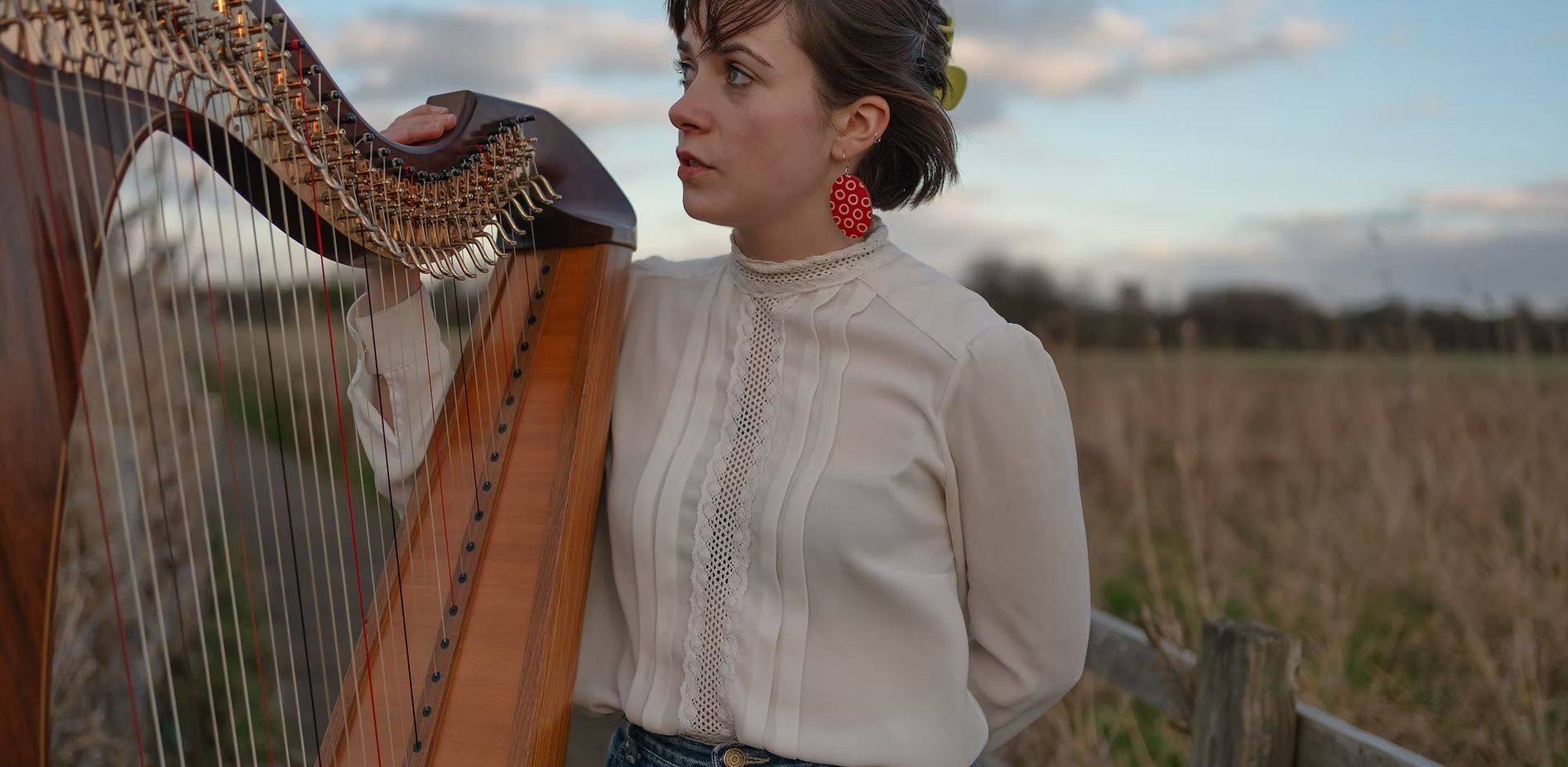 Anna McLuckie Interview Image (c) the artist
Anna McLuckie: "I questioned whether adding a new understanding of time could help improve my ability to appreciate space."
Video