Name: Rui Maia aka Mirror People
Nationality: Portuguese
Occupation: Producer, performer
Current release: Mirror People's Dancing Days EP is out via Belong.
Gear Recommendations: Ableton Live, some Tape Recorder, a Microphone and an Elektron Digitone, then you're done!
If you enjoyed this Mirror People interview and would like to stay up to date with his music, visit him on Instagram, Soundcloud, and Facebook.
The views of society towards technology are subject to constant change. How would you describe yours?
For me it is the same. I try to be aware of the evolution of technology, sometimes I find the path interesting, but in the end, I tend to like the human side of things.
So I think that technology is great for us at a certain point.
What are currently your creative goals and how are technologies helping you reach them?
As a musician, I like to use technology as a tool to develop my craft. My goal is to be a better songwriter and a better musician.
How and for what reasons has your music set-up evolved over the years and what are currently some of the most important pieces of gear and software for you?
My set-up evolved little to be honest. I tend to use the same gear that I've had for the last 20 years. There's something special about the old machines.
I buy a lot of new synthesizers but I don't keep them for a very long time. After a while, I get bored. Of course there are exceptions, like the Elektron gear which I think are brilliant. To me, the Ableton Live software is one of the best inventions since sliced bread.
I really dig the Roland Corporation, they made amazing synths during the 70s.
Have there been technologies which have profoundly influenced, changed or questioned the way you make music?
This new age of algorithms makes me question what art is today. But it doesn't really influence my work.
I like to keep it simple and old school!
From my point of view, the three key factors which have driven music technology over the past decades are mobility, affordability, and (easy) usability. How important are these for your own work – and did I miss any?
Mobility for sure. Due to the technologic evolution we now have better, affordable and compact tools.
I split my work ethic in two. Studio & Live performance. In the studio I like to use the old, heavy & expensive machines, for Live Performance it is almost exactly the opposite.
Technology is usually associated with innovation and progress Are these also important considerations for your music? What is the relation between innotative tools and "innovative music"?
To be sincere, those aspects are not really present in the way that I work.
Late producer SOPHIE said: “You have the possibility with electronic music to generate any texture, and any sound. So why would any musician want to limit themselves?” What's your take on that and the relevance of limitations in your set-up and process?
I believe that with limitations, you focus more and make better decisions.
Music is all about a feeling and how it hits your mood. You don't need infinite sounds, you need the right ones.
The choice in creative tools can be overwhelming. Are there ways to deal with- and embrace this wealth and channel it to support your creative goals?
I've been doing music professionally for the last 20 years. What I learned after all this time is that it is important to know your tools really well. Use what you have!
Less is more, most of the times and there are several amazing records with only 1 or 2 instruments.
The sound sculpting capacities of current music technology are remarkable. So is the abundance of high-quality and ready-to-use samples. Which of these do you prefer and what does your process of working with them look
like?
I like percussion samples, I use them a lot. Shakers, and all sorts of similar sounds.
But what I like most is the process of using field recording and sculpting my own sounds. Making a beat with nature sounds - I find that refreshing.
In many of our 15 Questions interviews, artists have emphasised the happy accidents as a result of human imperfections and unreliable machines. What's your view on this and how does an element of surprise enter your productions?
I usually work on only one track at a time. From start to finish. I compile ideas only on paper. I like to imagine a sound, a mood for a future song and then later I record my ideas.
Happy accidents are always welcome. They come from time to time!
Production tools can already suggest compositional ideas on their own. How much of your music is based on concepts and ideas you had before entering the studio, how much of it is triggered by equipment, software and apps?
I use concept and ideas a lot before I enter the studio. Soundwise, I like to experiment with field recording and to go against the wave. To not use conventional sounds.
But on top of everything I do, there's this 'pop' notion, that a track needs to function, needs to be as catchy as possible.
To some, the advent of AI and “intelligent” composing tools offers potential for machines to contribute to the creative process. What are your hopes, fears, expectations and possible concrete plans in this regard?
There's nothing more extreme and complex than the human brain.
It's mind blowing what you can do with AI, but when it comes to the results, there's always missing something right?!
Technology has continually taken on more steps of the compositional process and "creative" tasks. From your point of view, where does "technology" end and "creativity" begin?
It doesn't really matter if you're using technology if you're not creative. Creativity is the key.
Like being a chef, you have to be creative to do amazing dishes. In art, it is the same.
If you could make a wish for the future – what are developments in tools/instruments you would like to see and hear?
Standalone samplers with more RAM. That's all I'm asking for!
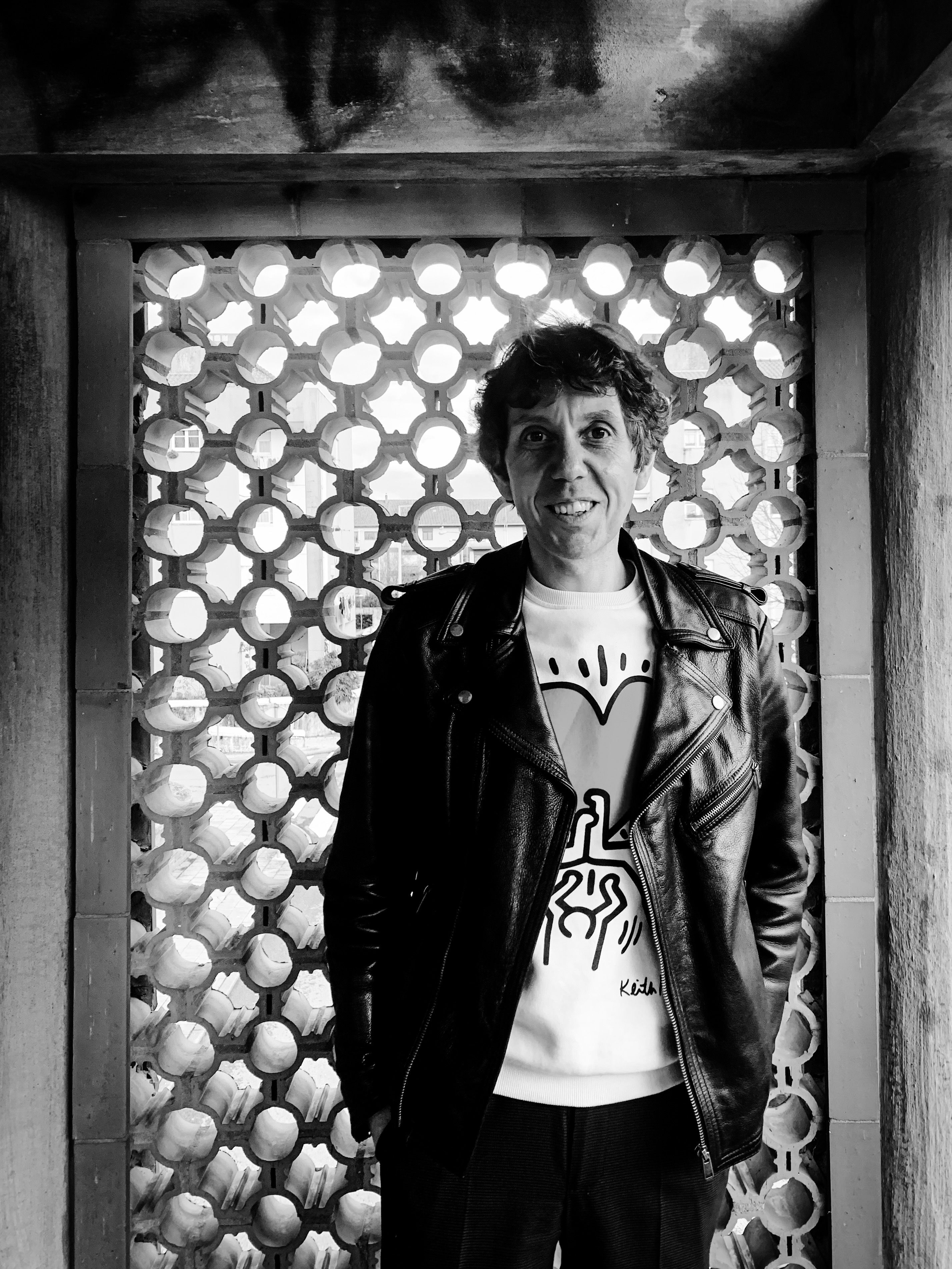 Mirror People Interview Image (c) the artist
"There's nothing more extreme and complex than the human brain."
Video