Name: Matteo Liberatore aka Molto Ohm
Nationality: Italian
Occupation: Composer, guitarist, improviser, performer, sound artist
Recent release: Molto Ohm's debut album FEED is out via New Focus.
If you enjoyed this Matteo Liberatore interview and would like to stay up to date with his music, visit his official website. There is also a dedicated Molto Ohm page.
For a deeper dive, read our earlier Matteo Liberatore interview.
How important is sound for our overall well-being and in how far do you feel the "acoustic health" of a society or environment is reflective of its overall health?
That’s a hard question to answer in just a few paragraphs. I recommend Noise/Music: A History by Paul Hegarty, especially the first chapter, for some excellent insights into this topic—both from the author and from R. Murray Schafer.
Urbanization brought a concentration of working class people into cities, along with the growth of street music, markets, and performances. The streets became “noisy”. Industrialization amplified this, introducing new noises that often became associated with the working class.
At the same time, there was a shift toward “indoor living,” particularly for the upper class, facilitated by the development of plate glass windows in the late 17th century. ‘High culture’ music moved indoors, while noise was left outside on the streets as something unwanted, as a symbol of the lower classes.
In mainstream Western society, noise is often associated with the bad, the dangerous, and the unwanted. People speaking in foreign languages are usually deemed noisier.
Noise is not just a collection of specific sounds, it can also be a negative judgement of a sound, a practice, an ‘other’. Hollywood reinforces this: movies frequently depict “progress” as silent cars gliding above streets, sleek and quiet environments, the hushed elegance of rooms behind glass doors. Wealth and the good life are portrayed as something stored away in mansions and penthouses, high above the noisy, bustling streets of the lower classes.
Personally, as long as it’s quiet enough at night and there are areas of quietness in the city, I’m comfortable with the existence of loud, busy, rowdy happenings here and there, evidence of a noisy and excited society. A sonically sanitized society, devoid of noise, isn’t good. We need noise (also in its broader cultural sense) to keep us creative and push boundaries.
Paradoxically, most people are also uncomfortable with ‘silence’. You can feel it when the air ventilation shuts down in a subway car, when there’s no music in an elevator or at a restaurant. For my sound recording job on set, for instance, I have to record about 30 seconds of ‘room tone’ (which is the ‘silence’ used to stitch different takes together). I can’t tell you how hard it is for people to get through those 30 seconds.
Or what about background music? It’s everywhere, to stitch “dead time” together, fill the existential voids, surround the non-places. Walking around the city, ‘music’ and ‘noise’ are almost indistinguishable from one another (I also explore this in my project Molto Ohm).
I think all of this paints a picture of a society that is not at peace with sound itself, broadly speaking.

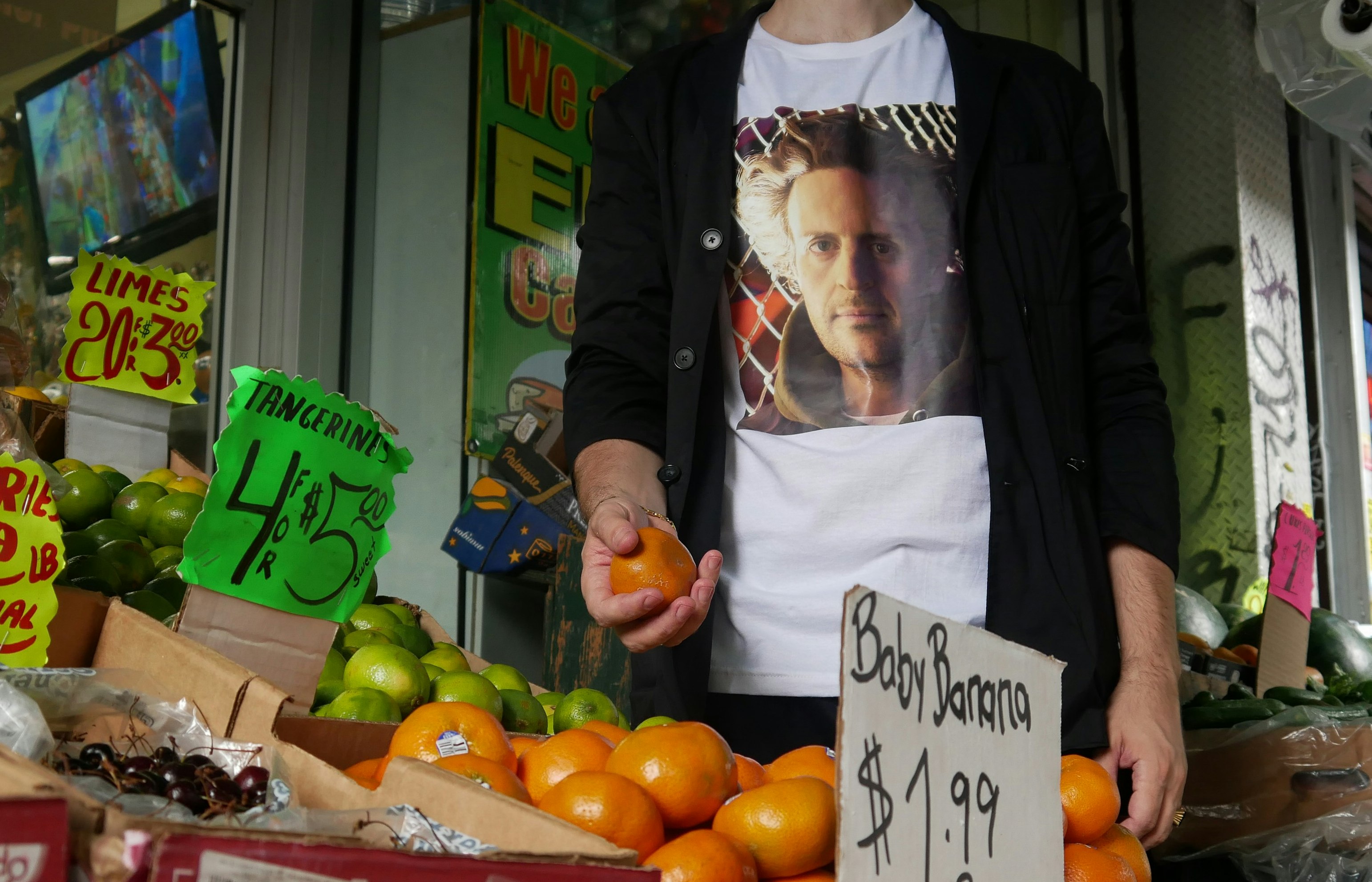 Molto Ohm Interview Image (c) the artist
“For my sound recording job, I have to record 30 seconds of ‘room tone’. I can’t tell you how hard it is for people to get through those 30 seconds.”
Video