Name: Nai-Jah
Nationality: French-Nigerian
Occupation: Singer, songwriter
Current release: Nai-Jah's new album DEMOCRAZY is out via Khanti.
Recommendations: I highly recommend the book Things fall apart by Chinua Achebe for its insights on pre-colonial life in Igboland, Nigeria.
For a piece of music I would actually name an artist called “Fela Kuti” for his conscious works fighting against a corrupt government backed by ever meditative grooves and funk.
If you enjoyed this Nai-Jah interview and would like to know more about his music, visit him on Instagram, Facebook, and Soundcloud.
When I listen to music, I see shapes, objects, and colors. What happens in your body when you're listening? Do you listen with your eyes open or closed?
When I listen to music, I first get immersed in the melodies. It is often what transports me and resonates within me.
Whether my eyes are open or closed depends on the moment. But closing my eyes helps me immerse myself fully.
Entering new worlds and escapism through music have always exerted a very strong pull on me. What do you think you are drawn to most when it comes to listening to and creating music?
I'm drawn to the emotions and stories that music can convey. When listening, I love how a song can transport me to different times and places, evoking memories and feelings.
In creating music, I'm captivated by the process of translating my inner experiences into sound, crafting something that can resonate with others on a profound level.
What were your very first steps in music like, and how would you rate the gains made through experience?
My first steps in music were filled with curiosity and experimentation. I remember being fascinated by the different sounds I could create and how they made me feel.
Over time, the gains have been immense – not just in technical skill, but in understanding the depth and power of music as a means of expression and connection.
According to scientific studies, we make our deepest and most incisive musical experiences between the ages of 13-16. What did music mean to you at that age, and what’s changed since then?
Between 13 and 16 I was living in Nigeria and music was a part of my every day.
In school, at home, everywhere. I still remember melodies and lyrics from songs and albums I listened to regardless of the genres. Would listen to afrobeat, pop rock, Rap, Rnb. Again as long as the melody resonated within me. It helped me navigate the challenges of adolescence and discover my identity.
Since then, my relationship with music has deepened; it's become both a career and a lifelong passion, a way to connect with others and make a meaningful impact.
How would you describe your own relationship with your instrument, tools, or equipment?
My tool or my instrument is my voice and it is constantly evolving. Learning and discovering new ways to express my emotions through my voice while trying to be as true to myself as possible.
Where does the impulse to create something come from for you? What role do often-quoted sources of inspiration like dreams, other forms of art, personal relationships, politics, etc., play?
The impulse to create comes from a need to express what words alone cannot capture.
Inspiration flows from many sources: dreams (I actually wake up sometimes and grab my phone to sing a melody I was singing in my dream) personal experiences growing up in France and Nigeria, other forms of art, and the world around me.
Personal relationships and social issues often fuel my creativity and politics too play a huge role in my inspiration.
Are you acting out parts of your personality in your music that you couldn't or wouldn't in your daily life? If so, which are these? What, would you say, are the key ideas behind your approach to music?
I try to be as real as possible in my music as I am in my daily life. To be again as true as I can be.
I tend to say I am an open book although friends and family might say otherwise!! Call for debate!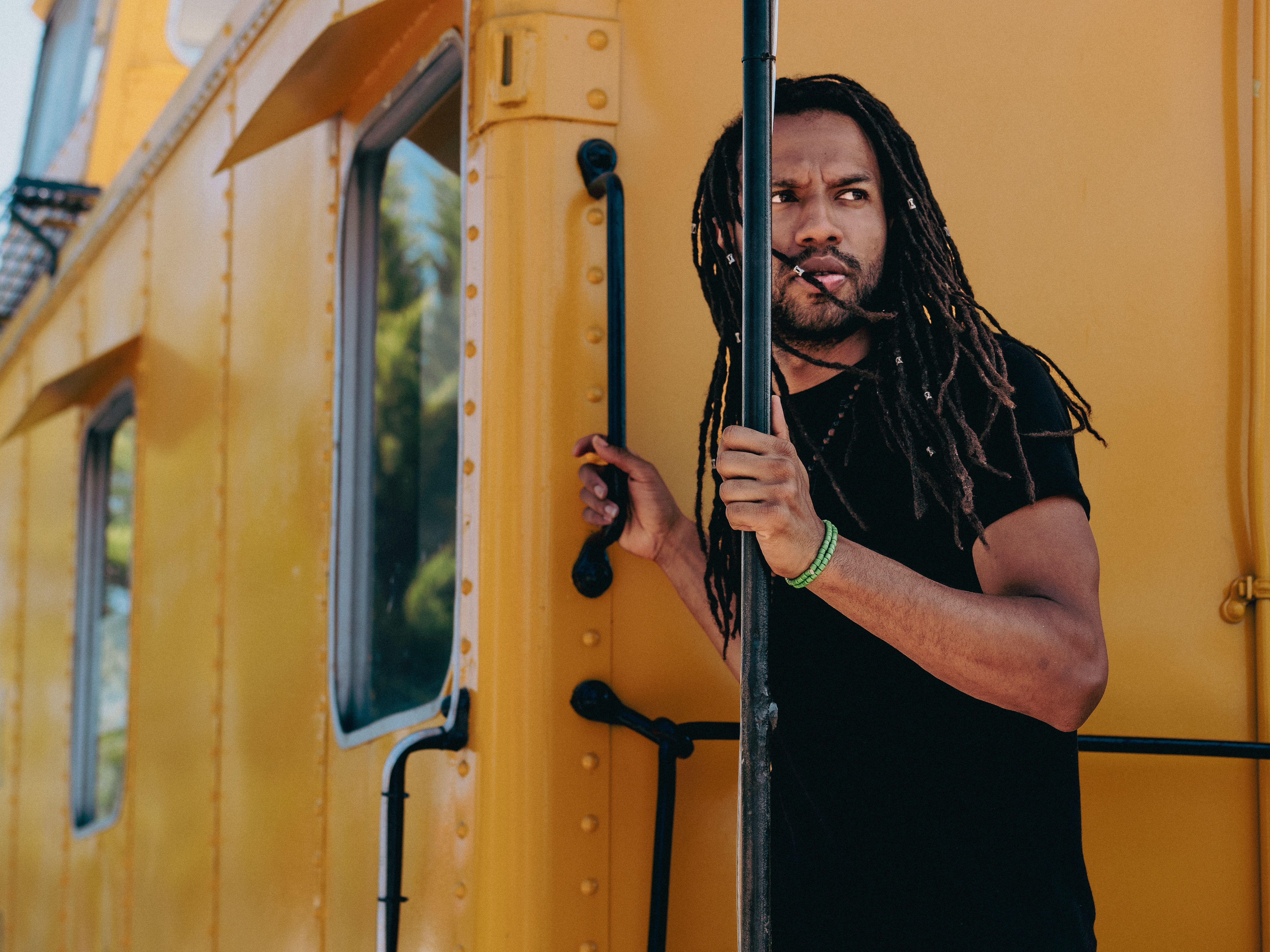
NAI-JAH Interview Image (c) the artist
If music is a language, what can we communicate with it? How do you deal with misunderstandings?
Music communicates emotions, stories, and ideas that transcend words. It can convey love, pain, hope, and everything in between.
When misunderstandings arise, I see them as opportunities for deeper conversation and connection, exploring different interpretations and finding common ground through the shared experience of listening.
Making music, in the beginning, is often playful and about discovery. How do you retain a sense of playfulness, and how do you still draw surprises from tools, approaches, and musical forms you may be very familiar with?
I would say staying curious and open to experimentation allows the playfulness to continue. I try to approach each project with a fresh mind, working with people who want to take me out of my comfort zone to explore what I wouldn’t.
Embracing mistakes and happy accidents often lead to unexpected surprises.
Sound, song, and rhythm are all around us, from animal noises to the waves of the ocean. What, if any, are some of the most moving experiences you've had with these non-human-made sounds? In how far would you describe them as “musical”?
My most moving experience that still moves me today is the sound of rain. It comforts me and reminds me of my childhood.
I don’t know if I could describe it as musical, but it does vary in pattern, rhythm and sound.
There seems to be an increasing trend to capture music in algorithms and data. But already at the time of Plato, arithmetic, geometry, and music were considered closely connected. How do you see that connection yourself? What aspects of music do you feel can be captured through numbers, and which cannot?
The connection between music and mathematics is undeniable; rhythm, scales, and harmonies and over the last couple of years with the streaming platforms the numbers tend to tell how popular an artist is.
But the emotional and spiritual essence of music often eludes quantification. Music's impact transcends mere data.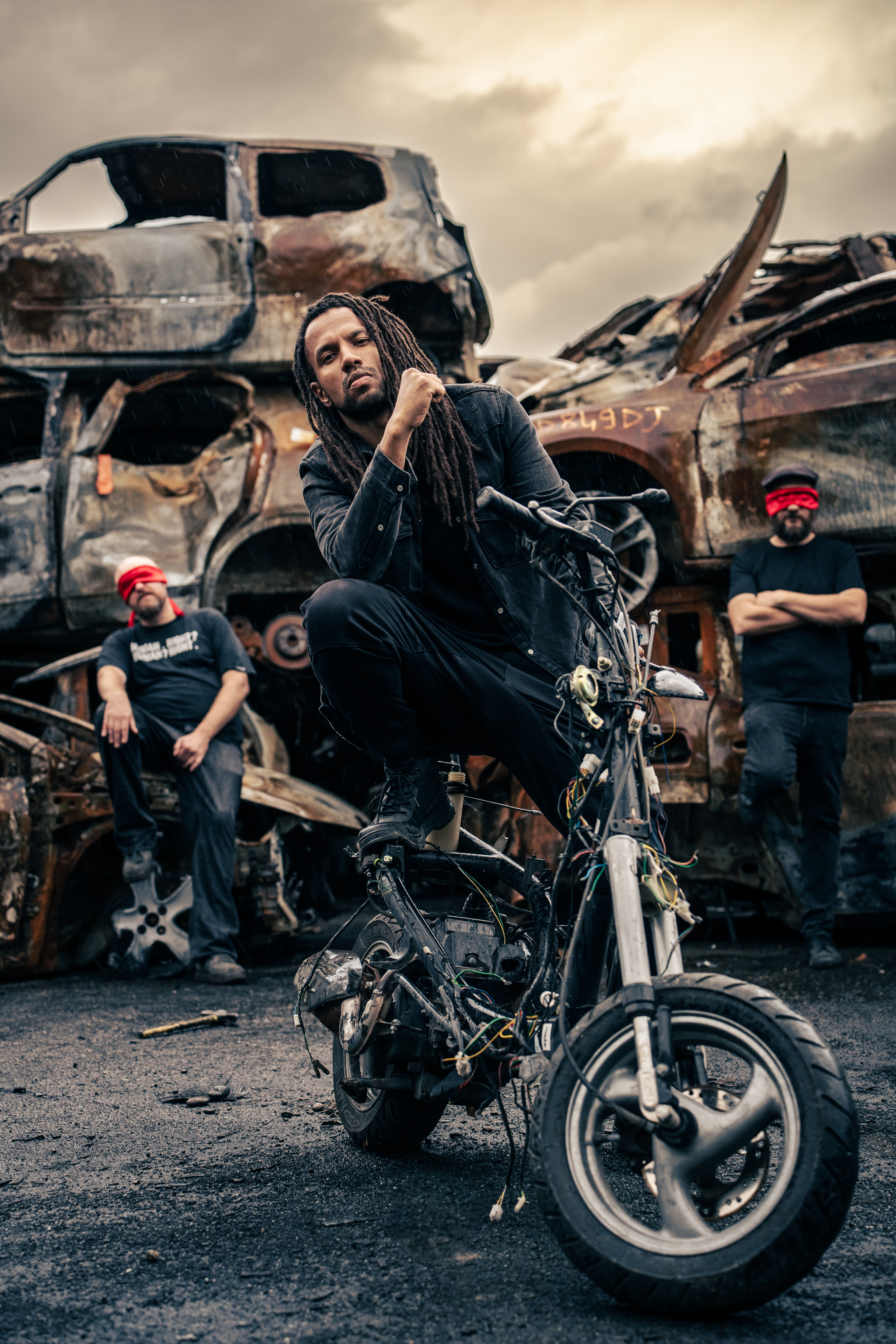
NAI-JAH Interview Image (c) the artist
How does the way you make music reflect the way you live your life? Can we learn lessons about life by understanding music on a deeper level?
The way I make music reflects my approach to life, it's quite spontaneous I would say.
We can all learn lessons about life as music can teach us about patience, perseverance, and the beauty of imperfection.
We can surround ourselves with sound every second of the day. The great pianist Glenn Gould even considered this the ultimate delight. How do you see that yourself, and what importance does silence hold?
I believe silence is important.
Silence provides a space for reflection and creativity. It allows us to appreciate sound more profoundly and gives our minds a chance to rest.
Do you feel as though writing or performing a piece of music is inherently different from something like making a great cup of coffee? What do you express through music that you couldn't or wouldn't in more 'mundane' tasks?
Writing or performing music is a deeply personal and creative act, different from more routine tasks like making coffee.
Music allows me to express my ideas, share stories, and try and connect with others– something that mundane tasks don't quite capture even if some may be fulfilling in a way.
If you could make a wish for the future – what are developments in music you would like to see and hear?
I hope to see more cross-cultural collaboration. In France for example, people tend to label music. Genres, styles etc. And sometimes get confused when it doesn’t fit in one of the boxes. I wish for the total opposite, diversity.
I would also like to see innovative uses of technology that enhance rather than replace human creativity.
 NAI-JAH Interview Image (c) the artist
"The emotional and spiritual essence of music often eludes quantification. Music's impact transcends mere data."
Video