Name: Elisabeth Renner aka benzii
Occupation: Singer, songwriter
Nationality: German
Recent release: benzii's spirallore EP is out via Nadsat.
Recommendations: Check out my latest EP spirallore and dive into the mythology of spirals, it’s truly inspiring. Xx
If you enjoyed this interview with benzii and would like to find out more about her work, visit her on Instagram, Soundcloud, and Facebook.
For a deeper dive, read our earlier benzii interview.
Where does the impulse to create something come from for you? What role do often-quoted sources of inspiration like dreams, other forms of art, personal relationships, politics etc play?
My work is very introspective.
For me, writing music is about finding an outlet for feelings and thoughts I’m processing in that moment. It gives me a sense of purpose, especially during difficult or confusing times.
For you to get started, do there need to be concrete ideas – or what some have called a 'visualisation' of the finished work? What does the balance between planning and chance look like for you?
Even though I’m a big planner, I know creativity can only be structured to an extent. I can plan things like deadlines or create environments that might spark inspiration, but true creativity often emerges randomly during the process.
Visualizations sometimes help, but they usually develop organically.
Is there a preparation phase for your process? Do you require your tools to be laid out in a particular way, for example, do you need to do 'research' or create 'early versions'?
Creativity feels natural to me, so I don’t usually start with a grand plan.
However, I value projects that feel cohesive, so I work to find a connecting thread during the writing process. I try to reflect on what has inspired me and gradually build the world of the project. I really trust the process with this.
Do you have certain rituals to get you into the right mindset for creating? What role do certain foods or stimulants like coffee, lighting, scents, exercise or reading poetry play?
Not really. I just need a ton of caffeine and a judgment-free environment, and I’m good to go.
What do you start with? And, to quote a question by the great Bruce Duffie: When you come up with a musical idea, have you created the idea or have you discovered the idea?
I’d say my work is more of a discovery for me. For example, "beine spüren" was a 1 ½-year process. I started writing the lyrics on my way home after a night out, trying to process a heartbreak. It made me want to escape.
That same night, I began producing the track but didn’t touch it again for a year. A year later, I recorded the second verse, referencing a different emotion—the feeling of being stuck in life while craving a fresh start. Me and my friend Julius filmed the video months later, doing exactly what the song is about—going on an adventure to find new inspiration.
This process is typical for me. Sometimes it's quick, sometimes slow, but it always involves multiple perspectives and emotions.
When do the lyrics enter the picture? Where do they come from? Do lyrics need to grow together with the music or can they emerge from a place of their own?
I’m very focused on lyrics. When I first started paying attention to song lyrics, it made me fall deeply in love with music.
I like to begin with the lyrics, which helps me stay grounded in the core message of the song. Afterward, I layer in elements like synths, drums, and visuals, each time adding a new emotion or perspective tied to the song’s theme.
What makes lyrics good in your opinion? What are your own ambitions and challenges in this regard?
I’m obsessed with lyrics that can be interpreted in multiple ways, especially when they have contrasting meanings. I enjoy playing with innocence that could also be read as sexual. I use a lot of imagery to create situations that can be understood differently depending on what the listener wants to hear.
For example, my track “riding it” can mean riding through the waves of life, or it can be a sexual metaphor. A big inspiration for this is Eartheater’s Trinity album.
Many writers have claimed that as soon as they enter into the process, certain aspects of the narrative are out of their hands. Do you like to keep strict control or is there a sense of following things where they lead you?
I’m a control freak, but I’ve learned that the most beautiful projects happen when things don’t go according to plan.
For example, I had a specific idea for my “sweat pearls” music video, but due to unforeseen circumstances, we had to change it at the last minute. The result is one of my favorite visuals to date.
That taught me that when things don’t go as planned, it might be for the better.
Often, while writing, new ideas and alternative roads will open themselves up, pulling and pushing the creator in a different direction. Does this happen to you, too, and how do you deal with it? What do you do with these ideas?
Absolutely. I’ve learned to embrace new ideas when they come up and adapt. Sometimes these alternative roads can lead to even better outcomes than originally planned.
There are many descriptions of the creative state. How would you describe it for you personally? Is there an element of spirituality to what you do?
Definitely. For me, the creative state is like a pathway to my subconscious. It helps me make sense of unresolved emotions and gives them purpose, which brings me peace.
When you're in the studio to record a piece, how important is the actual performance and the moment of performing the song still in an age where so much can be “done and fixed in post?“
You can fix a lot in post, but I prefer music that feels raw, even if it’s a bit off-key. It feels more authentic and pure to me. So the actual performance, especially vocal takes, is really important.
I try not to overthink it—just to stay present in the emotion I’m trying to convey.
Once a piece is finished, how important is it for you to let it lie and evaluate it later on? How much improvement and refinement do you personally allow until you're satisfied with a piece? What does this process look like in practise?
I trust my gut in the moment. I like to capture an idea as quickly as possible.
If I feel like it needs another perspective, I’ll step away and return to it later, but I usually trust the first spark of intuition.
Even recording a solo song is usually a collaborative process. Tell me about the importance of trust between the participants, personal relationships between musicians and engineers and the freedom to perform and try things – rather than gear, technique or “chops” - for creating a great song.
Collaboration is one of the most beautiful and inspiring parts of the creative process. It has taught me to stand by my vision but also to be open to other perspectives.
Trust in the people I work with helps me focus on the artistic vision, rather than getting caught up in technical aspects that can distract from the overall idea.
What's your take on the role and importance of production, including mixing and mastering for you personally? In terms of what they contribute to a song, what is the balance between the composition and the arrangement (performance)?
The technical aspects are crucial for ensuring that the composition and performance shine, but they should serve the emotional core of the song, not overshadow it.
After finishing a piece or album and releasing something into the world, there can be a sense of emptiness. Can you relate to this – and how do you return to the state of creativity after experiencing it?
I can definitely relate, which is why I often start working on something new while my current project is being released. It helps me stay present.
However, I understand that some artists might not recommend this, as it can create distance from the project you need to promote and believe in.
Music is a language, but like any language, it can lead to misunderstandings. In which way has your own work – or perhaps the work of artists you like or admire - been misunderstood? How do you deal with this?
I’m not sure if there’s such a thing as a "misunderstanding" in art. Art is meant to be interpreted in different ways, shaped by the listener’s own experiences.
There are perspectives I might not connect with or even dislike, but art is subjective, and that’s what makes it beautiful and safe to me.
Creativity can reach many different corners of our lives. Do you personally feel as though writing a piece of music is inherently different from something like making a great cup of coffee? What do you express through music that you couldn't or wouldn't in more 'mundane' tasks?
For me, writing music is very personal. The ingredients come from life experiences and mix with emotions, thoughts, and personal taste. That’s what sets it apart for me.
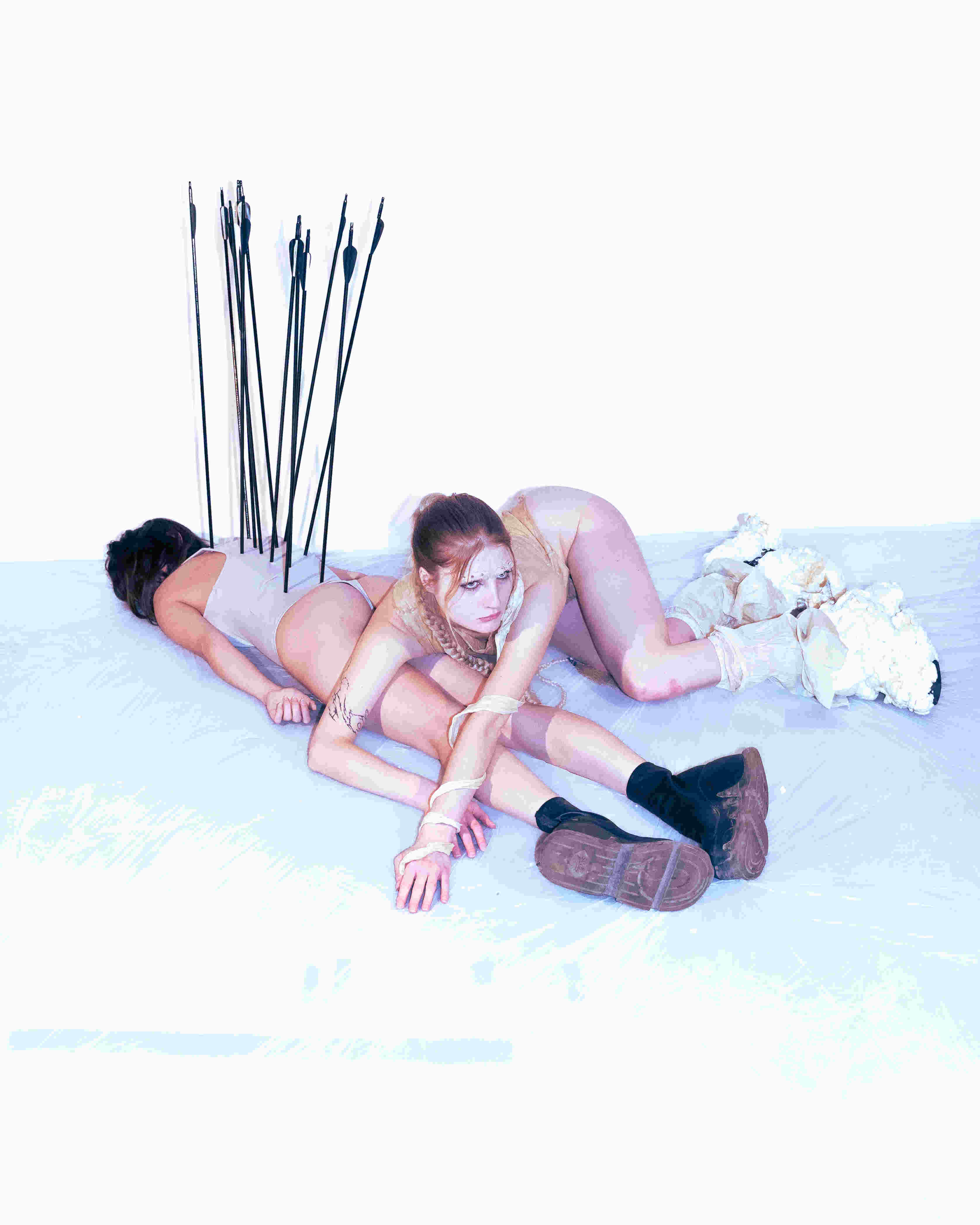 benzii Interview Image by Luca Greiner
"The creative state is like a pathway to my subconscious."
Video