Name: Tiffany Limacher aka To Athena
Occupation: Singer, songwriter
Nationality: Swiss
Current release: To Athena's most recent album, The Movie, is still available via Mouthwatering. Buy physical copies on her store.
Vocal Music Recommendations:
Si Me Matan by Silvana Estrada
Exist For Love by Aurora
oxaala by Maro
Where Did Everybody Go? By Éna Vera
Not A Man Not A Woman by Black Sea Dahu
If you enjoyed this To Athena interview, realised with the support of Swiss Music Export, and would like to know more about her music, visit her official website. She is also on Instagram, Facebook, and Soundcloud.
Do you think that some of your earliest musical experiences planted a seed for your interest in your voice and singing? How and when did you start singing?
I still remember the very first time I heard "Bohemian Rhapsody" on the car radio as a child. It captivated me so much that from that moment on, I wanted to listen to nothing but Queen for an entire year. Everything about this band fascinated me, especially how surprising and unique their songwriting was, and how distinctive Freddie’s voice was.
I was six years old at the time, but I believe that moment was very important for the music I make today. I think that was the moment I decided that someday I wanted to make music my life.
If you're also playing other instruments, how does the expressive potential of these compare to your own voice?
I write all my songs on the piano, but live, I only sing. I have a pretty big fear of playing an instrument in front of an audience.
Singing is completely different for me. I have no fear at all and, interestingly, I never have. From the very beginning, it felt totally natural—unlike playing the piano. With my voice, I can express myself exactly how I want and tell stories straight from the heart. I can’t do that with other instruments.
However, the piano helps me a lot when songwriting, as it gives me harmonic ideas I wouldn’t come up with just using my voice alone.
Singing is an integral part of all cultures, and traditions. Which of these do you draw from – and why?
I believe we are all much more connected than we often realize. Everything I do is unconsciously inspired by things that themselves have likely been shaped by cultural influences. I see art as something very fluid that always brings about an exchange. That’s what’s exciting about art: sometimes you can identify influences, and at other times they resonate unconsciously.
I think my current album, The Movie, is strongly influenced by my musical theater past. You can hear it in certain parts of the songwriting, but also in the production.
For example, with “Zwiifel,” my producer Linus Gmünder and I were definitely inspired by Bossa Nova sounds, which you can hear in the guitar. In the background vocals, I hear something very Swiss, almost like Schlager music from the 50s.
And in “Master Of Disguise,” there’s a certain old Hollywood era touch that shines through.
What were some of the main challenges in your development as a singer/vocalist? Which practices, exercises, or experiences were most helpful in reaching your goals – were there also “harmful” ones?
The most important thing for me was definitely learning to sing "healthily." When I first started singing, I had a very unhealthy technique. I imitated other singers without even knowing what my own voice was like. I had to figure that out through trial and error.
But through these detours, I also learned a healthy technique, and now I don’t get hoarse anymore, even after singing five or six concerts in a row. I’m super happy about that. Otherwise it would be torture.
What are the things you hear in a voice when listening to a vocalist? What moves you in the voices of other singers?
What always moves me, no matter the genre, is the authenticity in a voice. You can tell if someone has found their own voice or if they are still searching and imitating others.
When someone sings with their true voice, I find it one of the most honest and touching things ever. There’s this certain sparkle, this glow that stirs something in me when I hear it.
What kind of musical settings and situations do you think are ideal for your own voice?
I believe it’s ideal for my voice when it has enough space to sing very softly and delicately, but also in combination with moments that can be really loud and powerful. Dynamics are extremely important to me when singing.
As a listener, I also find it most exciting when there’s enough room to grasp the full range of a voice’s facets.
We have a speaking voice and a singing voice. Do these feel like they are natural extensions of each other, ends on a spectrum or different in kind?
I think the speaking voice and the singing voice are closely connected. It also has to do with finding and accepting your own voice. I think of that moment when you hear your voice recorded and think, “Whaaat? Ew, is that what I sound like?” Over time, you get used to it, and eventually, there’s no difference in perception and you even start to like the sound of your voice.
The speaking voice isn’t actually that far removed from the singing voice. Singing is, in a way, very similar to speaking—if you're free in it and have accepted your own voice without imitating anyone else while singing or even speaking.
From whispers to screams, from different colours to dynamics, what are the potentials and limits of your voice? How much of your vocal performance can and do you want to control?
I studied popular music, so I had to learn how to control my voice a lot. This was especially important for cover songs or performances with loud party bands.
But in my own music, I actually use very little of what I’ve learned. It’s more like a big backpack I carry, allowing me to have a general plan for how I might approach any genre. I use this backpack much more when teaching singing than in my own songs.
The coolest thing is when you apply technique without having to think about it. That way, it doesn’t get too intellectual. In my own music, I try not to think too much about technique and just “let it out.”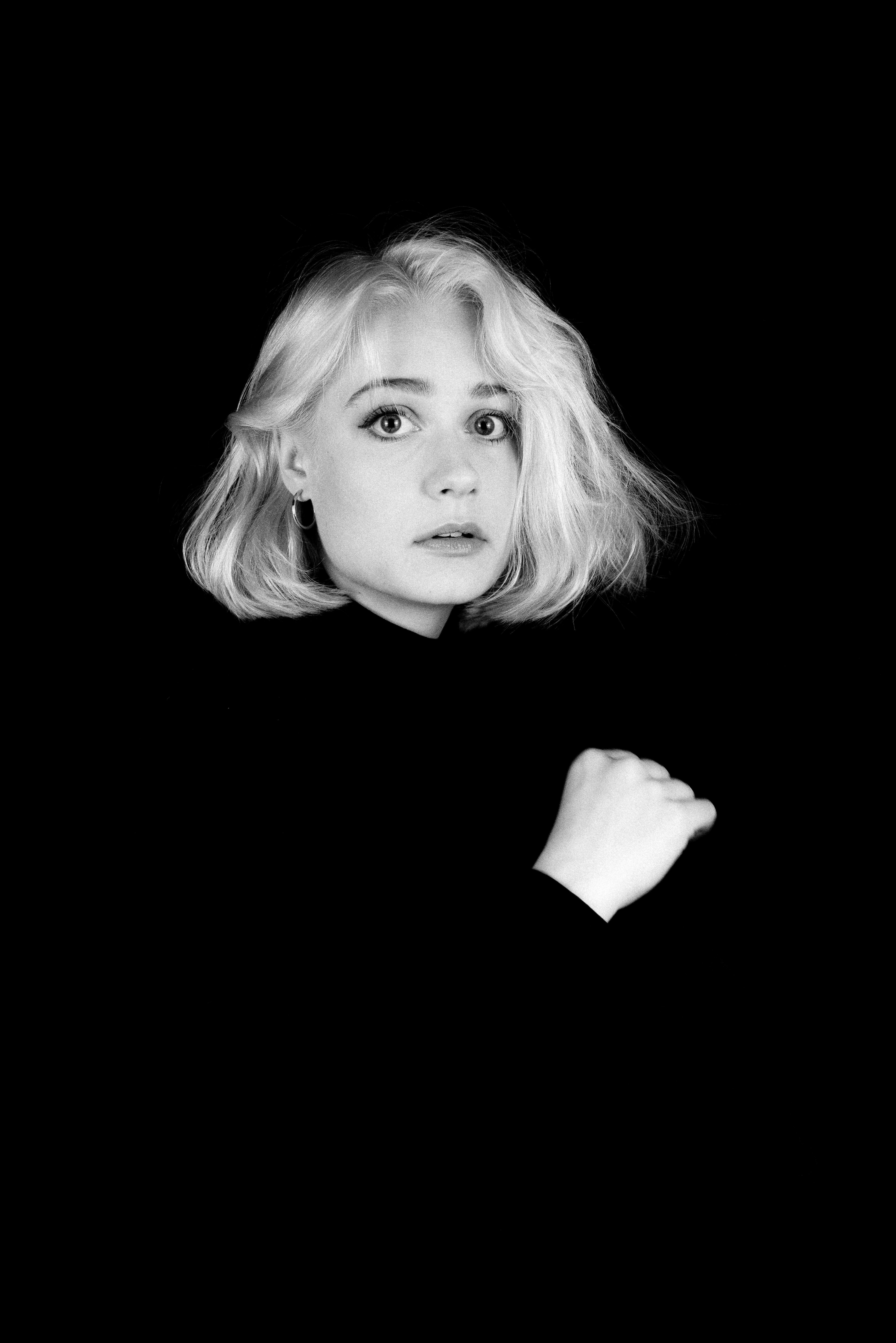
To Athena Interview Image by Ben Flumm
When you're writing song lyrics, do you sense or see a connection between your voice and the text? Does it need to feel and sound “good” or “right” to sing certain words? What's your perspective in this regard of singing someone else's songs versus your own?
Absolutely. Some words feel completely strange, while others feel smooth like butter.
I always write my lyrics by experimenting. I see how something feels, how I can phrase it, and whether it feels right. This is also why sometimes a song by someone else can sound incredibly beautiful, but when I sing it, something entirely different comes out, even though it’s the same text.
I think the voice telling the story always carries the true emotion of the lyrics. And I believe that you can somehow hear that.
That doesn’t mean you shouldn’t cover songs, though. A lot of beautiful and unique things can emerge if you allow them to :)
Strain is a particularly serious issue for many vocalists. How do you take care of your voice? Are the recipes or techniques to get a damaged voice back in shape?
Yes, absolutely. Luckily :) One good method is warming up before shows, but also cooling down after performances.
Often, you’re at the merch stand after the show, it’s loud, and you have to shout to be heard. That makes you hoarse. So, after such evenings, it helps me a lot to give my voice some “wellness” and soothe it before I strain it by shouting again.
Something else that helps is apple juice! But not too much, or else you’ll be running to the bathroom during the concert (been there, done that).
How has technology, such as autotune or effect processing, impacted singing? Has it been a concrete influence on your own approach?
Personally, Autotune hasn’t changed anything for me because it’s not used as a stylistic tool in my music, and I don’t like to sing with it. But I think it’s a relief for many people.
For example, if instrumentalists have to sing backing vocals and they’re still a bit unsure, Autotune can help them gain confidence until they’re able to do it without. It’s a bit like training wheels on a bike.
It can be helpful as long as it’s used in a way that the audience doesn’t notice, I think.
For recording engineers, the human voice remains a tricky element to capture. What, from your perspective, makes voices sound great on record and in a live setting?
I believe the right microphone helps a lot. Every voice is different, so every voice reacts differently to a microphone. We once did a blind test with many different microphones. It was super interesting. One of the “best” and most expensive microphones didn’t work with my voice at all, while a much cheaper, less fancy one ended up convincing us the most.
The microphone also ties into whether you feel comfortable in the studio—with the people there, whether you can truly let go, or whether there’s still some fear inside you. That makes a big difference.
I think the best vocals I ever recorded were for “Called In Advance.” After we had done so many takes and basically given up, we had pizza and a glass of wine, and I just did one more take while lying on the floor. That ended up being the best take, which made it onto the album. That was when my head was switched off, and the pressure of the performance was at its lowest.
Motherese may have been the origin of music, and singing is possibly the earliest form of musical expression, and culture in general. How connected is the human voice to your own sense of wellbeing, your creativity, and society as a whole?
Absolutely! It’s all connected for me. When I’m feeling good, I sing all the time. When I’m stressed, I almost never sing and barely listen to music.
Music and singing are an enormous outlet for me. When I forget that, everything builds up too much. Music is a gift that allows us to distill our emotions into sound. That’s why I need to use it daily to somehow grasp everything that’s going on in life. :)
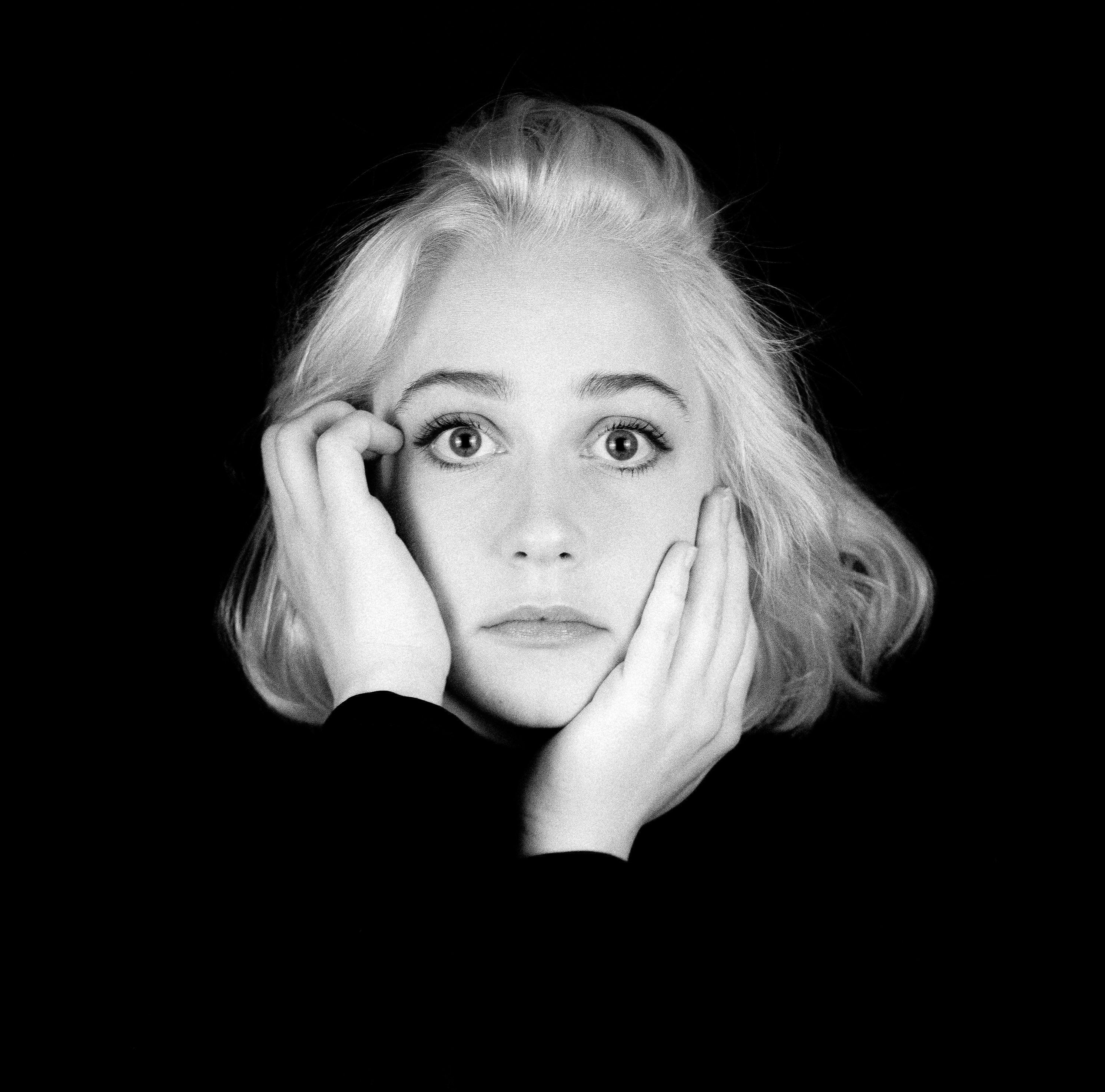 To Athena Interview Image by Ben Flumm
"I try not to think too much about technique and just let it out."
Video