Name: Ali Watson
Nationality: Scottish
Occupation: Bassist, composer
Current release: The Ali Watson Quartet's Terrarium, featuring Matt Carmichael (tenor saxophone), Alan Benzie (piano), and Greg Irons (drum kit) is out now.
If you enjoyed this Ali Watson interview and would like to know more about his music, visit his official homepage. He is also on Instagram.
Do you think that some of your earliest musical experiences planted a seed for your interest in improvisation?
Since getting piano lessons from my mum as a child, I can remember after learning the pieces in the book, having a natural inclination to want to change aspects depending on my feeling in the moment. My dad has a CD 'best of Miles Davis' box set which I remember listening to as a child and something about the music immediately drawing me into it.
Later on I realised that a large part of what I was taken by was this expression of feeling 'in the moment', which to me is what lies at the heart of improvisation and improvised music.
When did you first consciously start getting interested in musical improvisation? Which artists, teachers, albums or performances involving prominent use of improvisation captured your imagination in the beginning?
When I was 14 I joined my school's regional jazz orchestra, where I was introduced to the music of Charles Mingus and Thelonious Monk, which I immediately fell in love with.
The conductor of the orchestra, Stuart Carson, was always enthusiastic about jazz music in a very genuine way, which I think was super important as it definitely rubbed off on me and everyone else in the band. I think that inspiring quality is one if not the most important thing as an educator, and something which I try to remind myself of regularly when I am teaching.
In terms of Mingus and Monk, I was totally in awe of how they unapologetically express their genuine character in their music. Having grown up in an otherwise classical music setting, I found that their music resonated with me in a way which most classical music didn't at the time, leading me to pursue Jazz.
Tell me about your instrument and/or tools, please. What made you seek it out, what makes it “your” instrument, and what are some of the most important aspects of playing it?
I initially chose the double bass as an instrument for fairly shallow reasons (I was only 12 after all!), I liked it because it was big and I thought it made a 'cool' sound, and no one else I knew played it. Luckily for me, I think that the instrument has ended up a good choice for myself.
I would say my biggest strength musically is my skill in playing with other people, and with the bass usually playing a supporting role in most ensembles I found that an easy thing to lean into, not having to worry too much about being a virtuosic player thankfully.
How would you describe your own relationship with your instrument – is it an extension of your self/body, a partner and companion, a creative catalyst, a challenge to be overcome, something else entirely?
The double bass is definitely a cumbersome instrument in some ways. My own instrument currently has a very high action, probably unnecessarily high in fact.
I've learnt however that these limitations can have their benefits. Over the years I think it's resulted in me spending less time and energy trying to execute complex ideas and more listening to everything else going on, as well as exploring the depth of sound and expression in each note played.
I guess the bass functions most commonly for me as a tool for supporting music in a band setting, while also communicating my personality through my sound and musical decisions.
Derek Bailey defined improvising as the search for material which is endlessly transformable. What kind of materials have turned to be particularly transformable and stimulating for you?
I've been playing (and listening to) a lot of Jazz standards in various settings the last few years. I find it really interesting seeing what different players decide to do with these classic compositions, and am always excited to hear them in a new light.
Funnily enough after playing more of these tunes I've recently found myself enjoying playing more stripped back arrangements, focusing more on the compositional material at the forefront rather than using them as a tool for improvisation. Perhaps this has something to do with a newfound respect for the compositions after doing more writing myself, I'm not sure.
Do you feel as though there are at least elements of composition and improvisation which are entirely unique to each? Based on your own work or maybe performances or recordings by other artists, do you feel that there are results which could only have happened through one of them?
I guess to me improvisation can be a process of composition. However ultimately the difference is that with composition, in the final product a lot of the process is kept hidden to the listener. One of the exciting things about improvisation to me is that you can hear how it unravels in the moment, which can allow for a genuine glimpse of the player outside of their own intention.
From the perspective of the improviser this could be intimidating or comforting, depending on the confidence and mindset of the player. The same goes for composition, you have all the time in the world to refine it to perfection, which I guess is both the upside and downside to the art.
When you're improvising, does it actually feel like you're inventing something on the spot – or are you inventively re-arranging patterns from preparations, practise or previous performances? What balance is there between forgetting and remembering in your work?
The nature of where ideas and thoughts come from is something I find quite mysterious.
With improvising, like with much of music I like using the example of speaking a language.
Jazz music as well as many other traditions such as traditional Scottish music have their own musical vernacular. As you listen and replicate the words and phrases of the music it informs how you naturally speak in the moment, a.k.a improvise.
Are you acting out parts of your personality in your improvisations which you couldn't or wouldn't through other musical approaches? If so, which are these? What, would you say, are the key ideas behind your approach to improvisation?
One of the things I like about improvisation is it doesn't give you the chance to hide. I think to some degree it forces parts of your personality out whether you like it or not.
This means there's no point in even trying to lie about yourself (the illusion will become transparent sooner or later), and teaches useful lessons in honesty and humility.
It can also therefore teach you about what your genuine self is like through your natural inclinations, which I think is super important.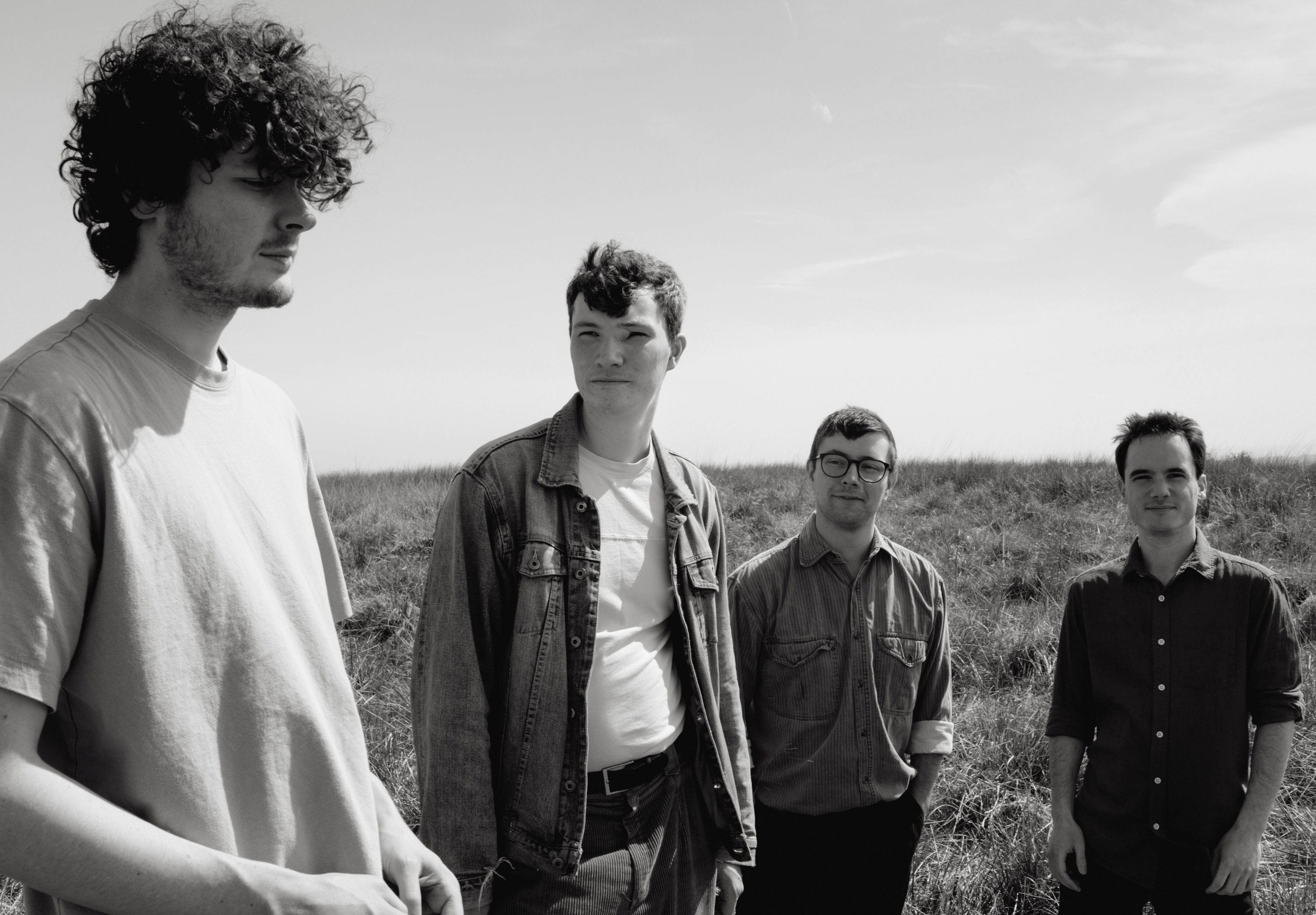
Ali Watson Quartet Interview Image (c) the artists
In terms of your personal expression and the experience of performance, how does playing solo compare to group improvisations?
My favourite playing experiences so far have all been as part of ensembles, but that's not to say that I don't have a lot of respect for solo performances. There is of course something lost when you take away performers, however with solo playing there can be a unique introspective and intimate quality, which I find very appealing.
I guess in terms of improvisation it turns into either a conversation with yourself, or an imaginary conversation with other people. I think this can be great for self development and things like finding your sound, however, just like if you try to live a life in solitude, I think you will always be missing out on a massive part of the experience without interacting with others.
It's a fundamental part of human nature to search for company, so I don't see why this shouldn't apply for music making.
In your best improvisations, do you feel a strong sense of personal presence or do you (or your ego) “disappear”?
The goal to me while improvising is to be attentive to the moment as much as possible, so when I feel at my best playing wise, I'm not usually really thinking about much at all.
I guess I think that when your playing is coming from the best possible place, everything should feel intuitive, and the prevalence of an ego should diminish. It seems somewhat paradoxical, because you are still actively reacting to what goes on, but at the same time you want to feel like an observer (of yourself as well as with the rest of the band).
In a live situation, decisions between creatives often work without words. From your experience and current projects, what does this process feel like and how does it work?
I think that for a band to be successful artistically, trust between each member is crucial. If someone wants to take a different turn at a crossroads in the music, you need trust to be able to follow them with confidence, knowing that they will be able to carve a path which takes a satisfying journey.
You want it to be possible for anyone to be able to play anything at any point, and still trust that the band will be able to make it work.
Stewart Copeland said: “Listening is where the cool stuff comes from. And that listening thing, magically, turns all of your chops into gold.” What do you listen for?
When I'm playing with other musicians I'm always trying to look out for where they want to take the music, if anywhere at all. I'm listening out for their ideas so that I can support them, and build something.
Sometimes it feels more like a conversation, I always like to hear the personality coming out in the playing so if I think they are being overly reserved I might try and throw something in to get a reaction.
Sometimes it feels like a game and I'll see how far we can push the music, and pull it back again before it collapses, or just let it disintegrate.
There can be surprising moments during improvisations – from one of the performers not playing a single note to another shaking up a quiet section with an outburst of noise. Have you been part of similar situations and how did they impact the performance from your point of view?
Absolutely. I love surprises. I think it's one of the fundamental things which makes music exciting. An opportunity to make something new.
I recently was playing at a local session and my D string snapped in the second tune of the set. Having to play the rest of the gig with 3 strings definitely got old quickly, but the moment it happened was exciting, as it presented a challenge I'd never faced before. It forced me out of my comfort zone and meant I couldn't rely on a lot of my usual playing habits.
I have always been fascinated by the many facets of improvisation but sometimes found it hard to follow them as a listener. Do you have some recommendations for “how to listen” in this regard?
I find that's a tricky question. I'd say you have to be careful with prescribing 'how to listen' to anything, there are countless things you can look for in music, which are all valid.
I think curiosity is important, and trying to keep yourself open to any feelings which may arise, and to try not to judge yourself for them.
In terms of following improvisations, I guess I'd use the language analogy again. It's easier to follow a conversation if you know the subject matter and familiarise yourself with the vocabulary. It might help if you try and check out the musicians influences, and the tradition of the music they are playing.
In a way, improvisations remind us of the transitory nature of life. When an improvisation ends, is it really gone, just like a cup of coffee? Or does it live on in some form?
That's an interesting question. I'm not sure! I do find that the deeper I get into music and the personalities of musicians, the more I see the way they play on the bandstand reflected in the rest of their life, and vice versa. The two things are closer together than I used to think.
When it comes to my own experience, I feel like I'm trying more nowadays to strive for the same ideals on and off stage. I'm thinking about the message I want to put out in my music as a force for good.
To answer the question, I guess what I'm trying to get at is that when you have the same approach to musical performance as with the rest of your life, the process doesn't really end. I'm still trying to listen to others, be honest with myself and remain attentive to the moment.
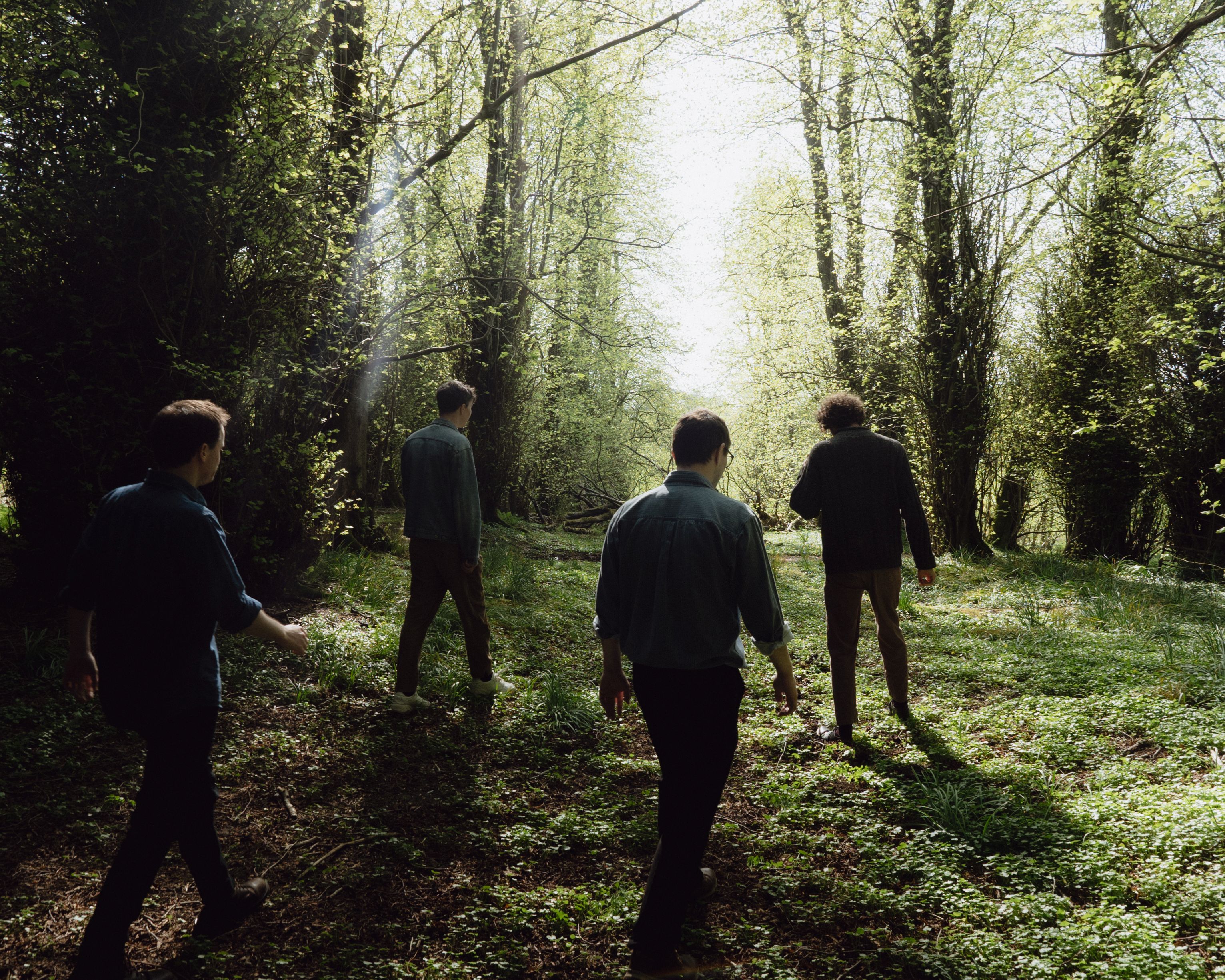 Ali Watson Quartet Interview Image (c) the artists
“Jazz has its own musical vernacular. As you replicate the words and phrases, it informs how you naturally speak in the moment, a.k.a improvise.“
Video